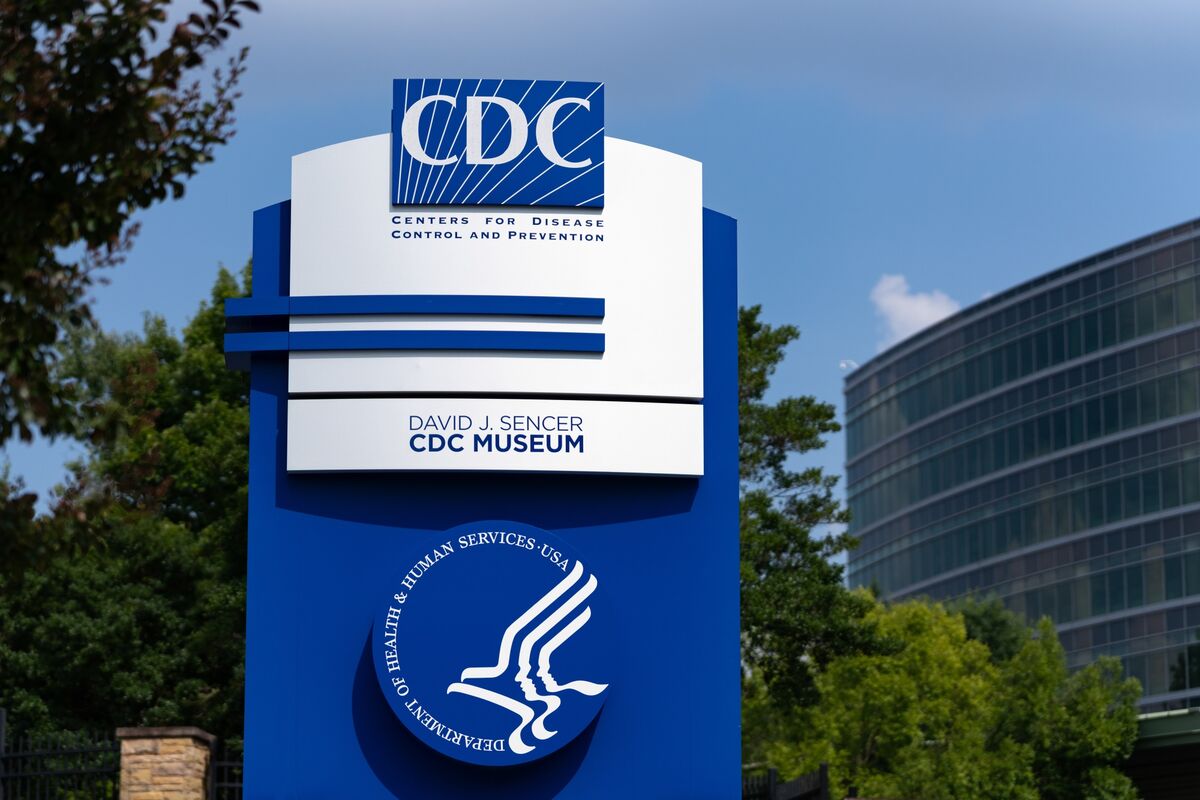
The US CDC intends to fund a Rensselaer Polytechnic Institute study examining a widely debunked link between vaccines and autism, a theory championed by Health and Human Services Secretary Robert F. Kennedy Jr. This decision to allocate resources to a scientifically contentious area, particularly one promoted by a senior health official, could signal evolving public health policy directions and potentially impact public perception of vaccine efficacy and related pharmaceutical sectors.
The US Centers for Disease Control and Prevention's intention to fund a study on the widely debunked link between vaccines and autism represents a notable politicization of public health research. This development, championed by Health and Human Services Secretary Robert F. Kennedy Jr., lends a degree of official credibility to a scientifically contentious theory, reflecting the growing prominence of the anti-vaccine movement post-pandemic. While no specific companies are implicated, this action introduces a significant, albeit long-term, headline risk for the pharmaceutical and biotech sectors. The moderately negative sentiment and low market impact score suggest the market currently views this as a low-probability, high-impact tail risk. The core issue for investors is the potential for government-endorsed skepticism to erode public trust in vaccines, which could translate into future revenue headwinds and heightened regulatory scrutiny for vaccine manufacturers.
AI-powered research, real-time alerts, and portfolio analytics for institutional investors.
Request DemoOverall Sentiment
moderately negative
Sentiment Score
-0.40
