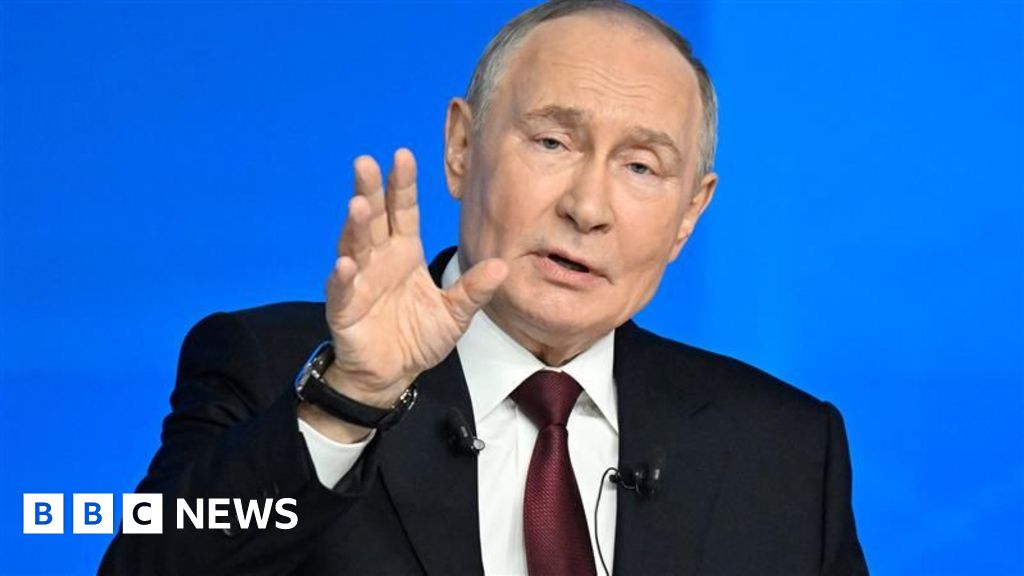
President Vladimir Putin used a televised marathon to reiterate Kremlin demands for territorial concessions from Ukraine and tied prospects for halting hostilities to Western respect and security guarantees, keeping geopolitical risk elevated. Domestically he acknowledged economic strains as VAT rises to 22% on Jan 1 while the central bank unexpectedly cut its key rate to 16%; inflation and rising consumer prices were prominent complaints, and Russia downplayed an SBU strike on an oil tanker in the Mediterranean as not threatening exports. For investors this sustains a risk-off backdrop: continued conflict-related uncertainty and sanctions-related frictions imply persistent volatility for energy markets and Russian/emerging-market assets, while fiscal (VAT) and monetary moves signal mixed policy pressures on inflation and growth.
Market structure: Geopolitical hawkish rhetoric + episodic strikes on Russia’s shadow fleet favor defense contractors, commodity traders and marine insurance/reinsurance at the expense of European travel, regional banks and consumer discretionary exposure in Russia/Eastern Europe. Russia’s domestic mix—CBR cut to 16% alongside VAT hike—implies fiscal tightening plus export-first bias: export volumes likely prioritized over domestic demand, keeping hydrocarbon flows structurally important but logistically riskier (higher freight/insurance premia).
Risk assessment: Key tail risks include a NATO escalation or a coordinated strike campaign on Russia-linked shipping that would spike Brent $10–$25/bbl and freight/insurance costs 30–100% within days; low-probability but >5% per annum. Near-term (days–weeks) expect volatility spikes around Miami talks and additional tanker hits; medium-term (3–12 months) is binary—either a negotiated ceasefire with rapid risk-on or protracted conflict with higher structural risk premia. Hidden dependencies: OPEC/ non-OPEC supply responses and Western sanctions relief contingent on political concessions could rapidly reverse price signals.
Trade implications: Position for asymmetric outcomes: overweight defense and energy volatility while hedging macro downside. Favored cross-asset moves: long defense equities and energy call spreads, USD long / EUR short, gold and long-duration Treasuries as tail hedges; short vulnerable sectors (airlines, leisure) to capture near-term risk-off. Use options to cap capital at risk given event-driven timing (Miami talks window 0–30 days).
Contrarian angles: Consensus prices persistent war risk; it underestimates a near-term peace surprise (probability 15–25%) that would compress defense and oil risk premia sharply — create exit triggers. Conversely markets may underprice Russia’s export resilience via shadow fleets; more tanker hits would have outsized real-economy effects (refining margins, shipping) that are not yet full priced into EUR, European bank CDS, or P&C reinsurers.
AI-powered research, real-time alerts, and portfolio analytics for institutional investors.
Request DemoOverall Sentiment
moderately negative
Sentiment Score
-0.45
