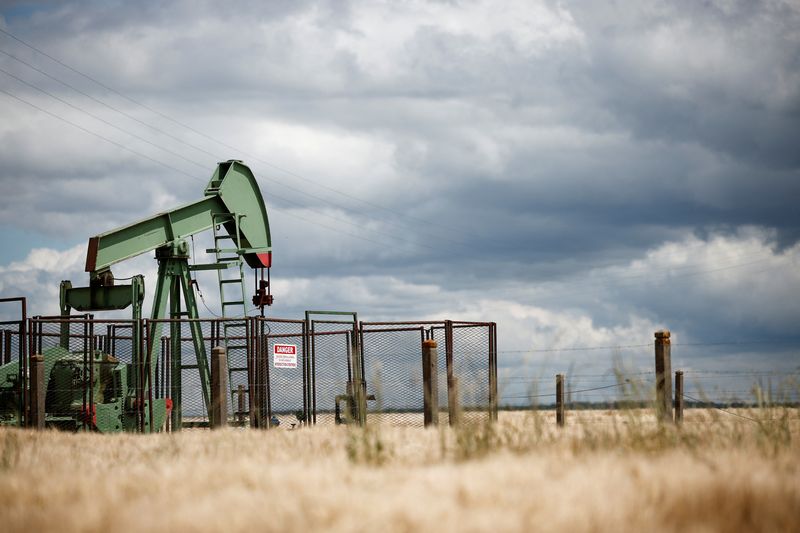
The International Energy Agency (IEA) reports that global oil and gas field decline rates are accelerating due to increased reliance on shale and deepwater resources, requiring nearly 90% of upstream investment simply to offset natural output reductions. This escalating decline means a halt in new spending would now cut 5.5 million barrels per day of oil annually, up from 4 million bpd in 2010, and necessitates significant capital expenditure just to maintain current supply levels. The IEA warns this trend poses critical challenges for market balances, energy security, and emissions, particularly given the 20-year average lead time for new projects.
The International Energy Agency (IEA) has identified an acceleration in the decline rates of global oil and gas fields, a structural shift driven by a greater reliance on high-decline resources like shale and deepwater assets. This trend necessitates that nearly 90% of all upstream investment is now directed towards merely offsetting natural production declines rather than expanding capacity. Specifically, a halt in new upstream spending would now result in an annual global supply loss of 5.5 million barrels per day of oil, a significant increase from just under 4 million bpd in 2010. The decline rates vary dramatically by asset type, with tight oil and shale gas fields experiencing output drops of over 35% in their first year, compared to less than 2% for giant onshore fields. The IEA warns that these dynamics create a significant challenge for maintaining market balance and energy security, especially given the lengthy average project timeline of nearly 20 years from licensing to first production, which implies that supply-side pressures are likely to persist and intensify without substantial and sustained investment.
AI-powered research, real-time alerts, and portfolio analytics for institutional investors.
Request DemoOverall Sentiment
moderately negative
Sentiment Score
-0.50
Ticker Sentiment
