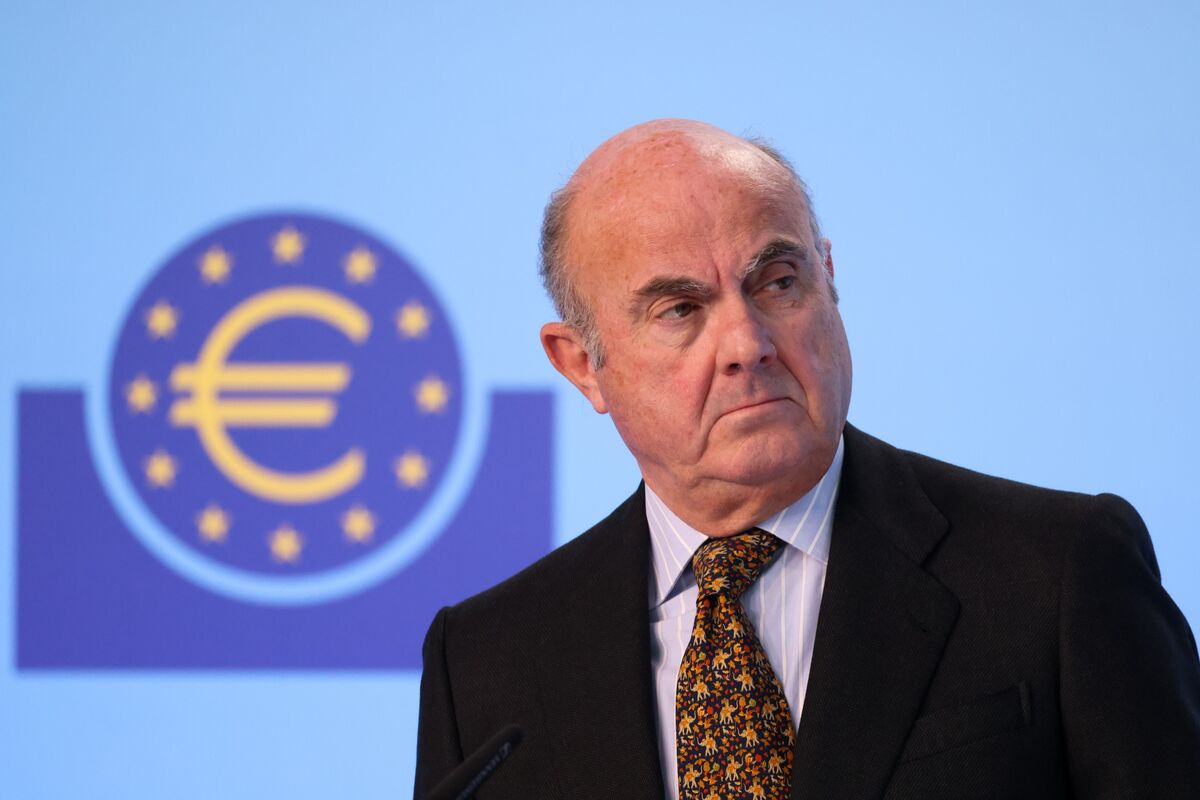
ECB Vice President Luis de Guindos indicated that the central bank is nearing its 2% inflation target due to a stronger euro and declining energy costs, which are expected to exert downward pressure on consumer prices in the Eurozone. De Guindos also noted that potential US tariffs could eventually contribute to slower price growth, though their overall impact remains uncertain.
European Central Bank Vice President Luis de Guindos has signaled increasing confidence in achieving the 2% inflation target sooner rather than later, attributing this accelerated timeline to the disinflationary effects of a stronger euro and declining energy costs. These two factors are anticipated to exert a notable downward push on consumer prices across the 20-nation euro zone. While acknowledging the overall impact of potential US tariffs on inflation remains uncertain, de Guindos suggested they could eventually contribute to slower price growth. This optimistic assessment of the inflation outlook, underscored by a positive sentiment signal, implies a more favorable environment for the ECB to consider its future monetary policy path, potentially easing concerns about persistent price pressures and influencing market expectations for interest rates.
AI-powered research, real-time alerts, and portfolio analytics for institutional investors.
Request DemoOverall Sentiment
Positive
Sentiment Score
0.30
