Heavy fighting along the Thai-Cambodian border has forced hundreds of thousands of Thai villagers to flee since Monday, derailed a recent ceasefire and left about two dozen people reported killed; once-bustling border communities are largely silent with shops closed and little traffic. In several villages a small number of residents have stayed behind as official Village Security Volunteers—trained, armed and appointed by local authorities—to patrol, man checkpoints, guard empty homes and tend livestock and pets round-the-clock without pay. The reliance on volunteer guards underscores gaps in formal security presence and signals ongoing local disruption to commerce, property protection and rural livelihoods in the border region, with potential implications for stabilization and recovery costs.
Heavy fighting along the Thai-Cambodian border has forced “hundreds of thousands” of villagers to flee since Monday, derailed a five-day ceasefire brokered in July and left roughly two dozen people reported killed, leaving border communities largely silent with shops closed and little traffic. The renewed violence has produced constant explosions near villages and persistent risks from stray ammunition, creating direct disruption to local commerce and property security.
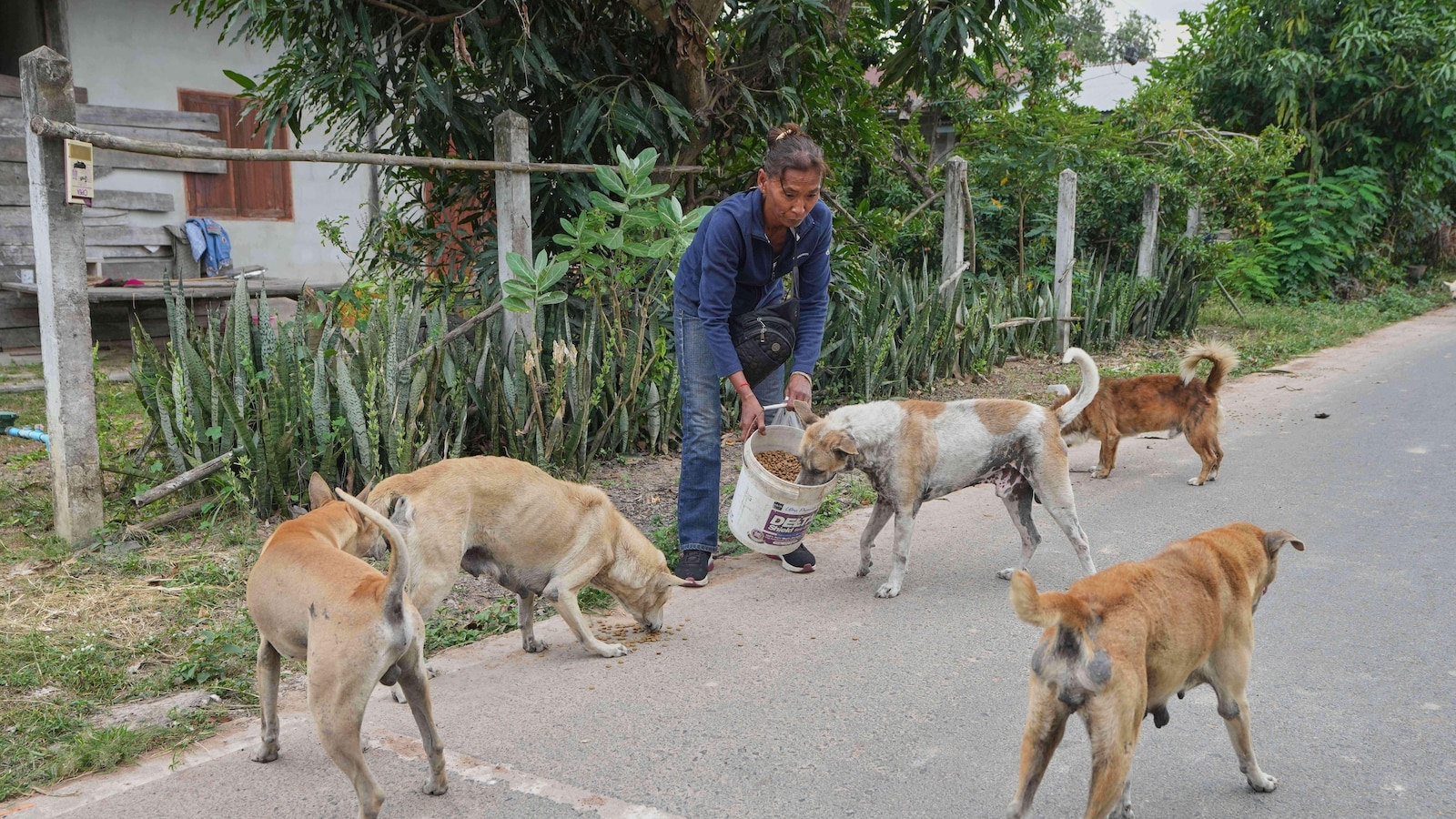
In several villages a small cohort of residents have remained as appointed Village Security Volunteers; the article notes volunteers completed a three-day training course, are permitted to carry firearms provided by authorities, and perform patrols, checkpoints and property protection duties while also tending livestock and pets. These teams operate round-the-clock without compensation, highlighting a reliance on local manpower rather than a sustained formal security presence.
The situation signals gaps in formal security and ongoing operational disruption to rural livelihoods that could translate into stabilization and recovery costs for local authorities; the provided signals show a moderately negative sentiment score (-0.5) and a modest market impact score (0.28), suggesting limited near-term market disruption but asymmetric geopolitical risk if fighting persists. Investors should therefore watch ceasefire durability, casualty trends and any official escalation or mobilization as key triggers for reassessing regional risk exposure and government spending flows.
AI-powered research, real-time alerts, and portfolio analytics for institutional investors.
Request DemoOverall Sentiment
moderately negative
Sentiment Score
-0.50
