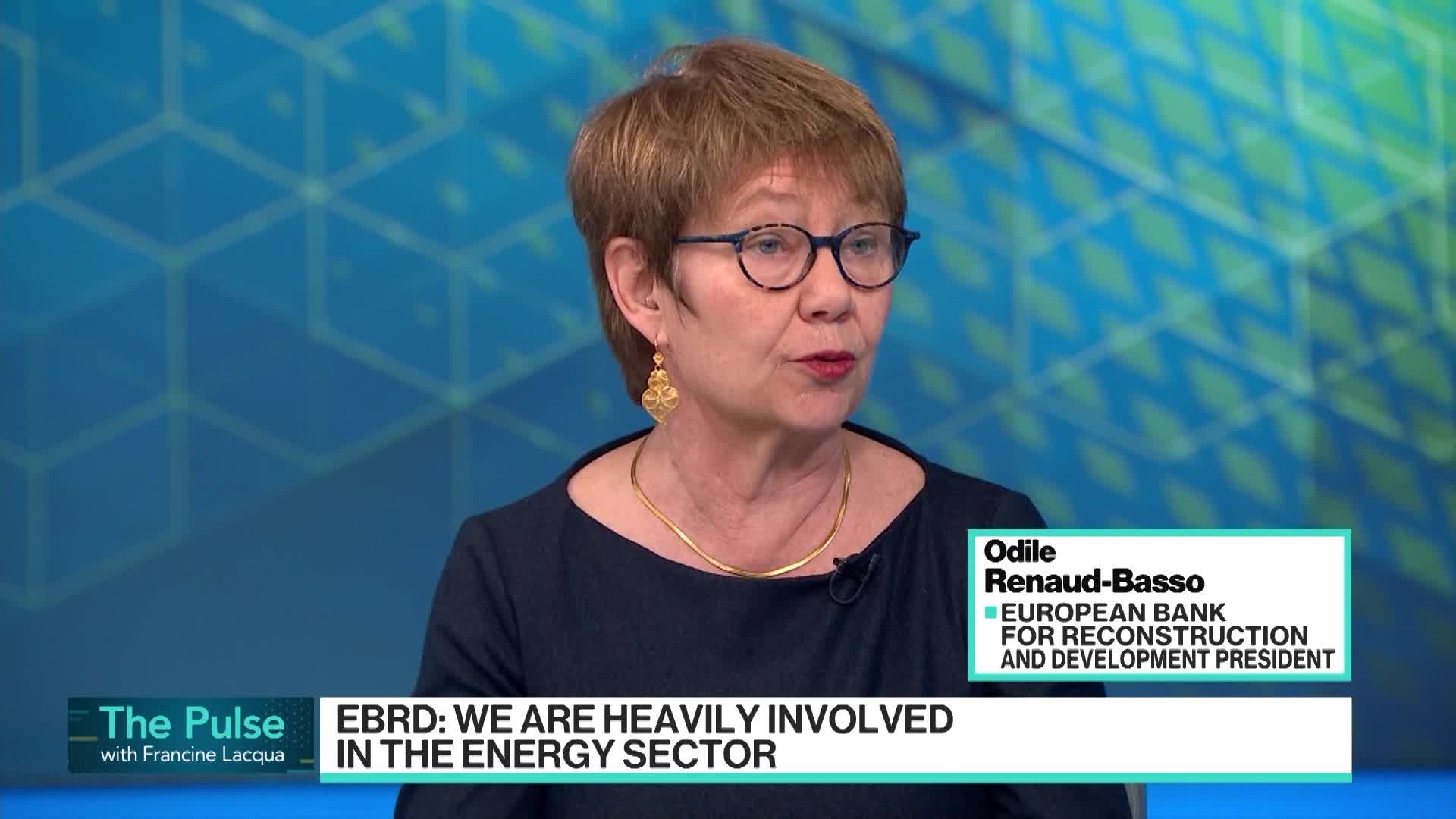
The IMF and Ukrainian authorities have agreed a 48‑month Extended Fund Facility that could allow Ukraine to access up to about $8 billion, contingent on donor financing assurances (notably from the EU and other G7 partners). The program is intended to anchor macroeconomic policy amid active conflict and requires continued anti‑corruption reforms, stronger SOE governance, and fiscal measures to broaden the tax base; energy sector support and winter gas financing are urgent priorities. The World Bank (IBRD) will continue financing the real economy, SOEs and energy projects but is not covering Ukraine's budget gap; IMF board approval hinges on timely donor commitments.
Market structure: IMF signaling (48-month EFF, up to $8bn conditional on donor assurances) reduces near-term sovereign-default tail risk for Ukraine and should compress spreads in hard‑currency Ukrainian sovereigns and local banks if EU/G7 disbursements arrive within 30–90 days. Energy demand risk rises into the winter: donor-funded gas purchases and generation repair increase short‑term LNG/TTF demand while reconstruction support boosts steel/construction cycles over 6–24 months.
Risk assessment: Key tail risks are (1) EU/G7 failure to deliver financing within 30–90 days, (2) a domestic governance shock that triggers major donor withdrawals, and (3) an escalatory battlefield event that severs energy routes — each could widen Ukrainian USD spreads >500bp. Hidden dependencies include conditionality linkages (IMF program requires donor financing) — market improvement is binary around policy approvals.
Trade implications: Tactical long in Ukrainian hard‑currency paper or senior bank debt is attractive on a successful IMF+EU funding announcement; scale into 1–3% NAV positions and hedge with 6–12 month CDS or short iTraxx Crossover exposure. Longer term, overweight defense suppliers (ETF ITA) and LNG suppliers (Cheniere LNG) for 6–24 months; rotate out into European infrastructure/electric utilities as reconstruction contracts flow.
Contrarian angles: Consensus treats IMF deal as a cured default risk — it is only a bridge conditional on donor cash and governance progress, so mispricing exists in credit and FX. If donor disbursements are delayed >60 days, expect a knee‑jerk 200–400bp widening; conversely, rapid EU approval could tighten spreads 200–400bp in 4–8 weeks — trade with binary hedges.
AI-powered research, real-time alerts, and portfolio analytics for institutional investors.
Request DemoOverall Sentiment
mildly positive
Sentiment Score
0.32
