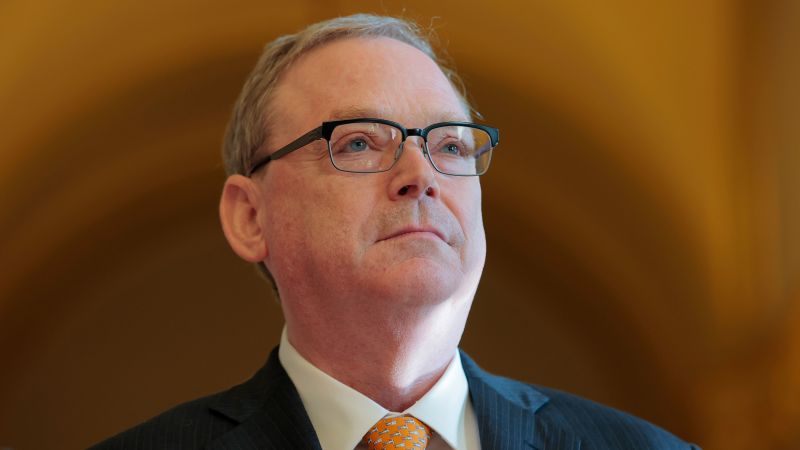
National Economic Council Director Kevin Hassett expressed optimism regarding a potential trade deal with China following upcoming talks in London, emphasizing the U.S.'s interest in restoring rare earth mineral exports to pre-escalation levels. Negotiations, led by Commerce Secretary Howard Lutnick, occur amid existing tensions stemming from alleged violations of a prior trade agreement, which involved lowered tariffs on both sides. Despite concerns about the economic impact of tariffs, the Trump administration highlights increased customs duties, reporting a record $16.3 billion collected in April, while the CBO estimates potential deficit reduction through increased tariff revenue.
National Economic Council Director Kevin Hassett conveyed notable optimism regarding a forthcoming trade agreement between the United States and China, with talks scheduled in London. A primary U.S. objective is the normalization of rare earth mineral exports from China to pre-April escalation levels, underscoring the strategic importance of these materials for electronics, including products like iPhones, and electric vehicles. These negotiations, led by Commerce Secretary Howard Lutnick, occur amidst unresolved tensions; President Trump previously accused China of violating a 90-day trade agreement which had seen the U.S. lower its tariffs on Chinese goods from 145% to 30%, while China reduced levies on American imports from 125% to 10%. The Trump administration remains committed to its tariff policy, with officials indicating a baseline tariff of at least 10% will persist. This strategy has demonstrably increased U.S. customs revenue, evidenced by a record $16.3 billion collected in April and a total of $63.3 billion since October 2024, marking a $15 billion increase year-over-year. While the administration points to these revenues and a slowing annual inflation rate (2.3% in April) as positive outcomes, and the CBO projects tariffs could reduce deficits by $3 trillion over ten years, this is juxtaposed with business community concerns over economic impact and separate CBO estimates that the administration's broader policy agenda could add $3.8 trillion to the national debt. The overall market sentiment is 'moderately positive' with an 'optimistic' tone, reflecting official confidence, though underlying complexities and potential economic trade-offs persist.
AI-powered research, real-time alerts, and portfolio analytics for institutional investors.
Request DemoOverall Sentiment
moderately positive
Sentiment Score
0.35
Ticker Sentiment
