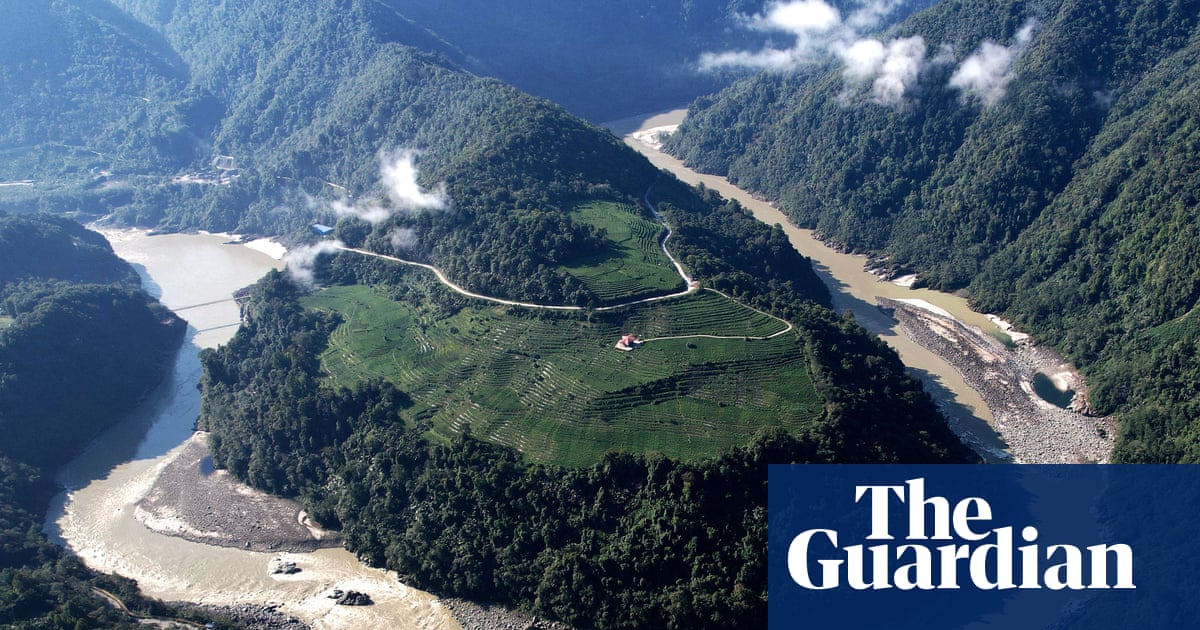
China has commenced construction on the world's largest hydropower megadam on the Yarlung Tsangpo river in Tibet, a 1.2 trillion yuan project announced by Premier Li Qiang and projected to generate an estimated 300 million MWh annually. This 'project of the century' aims to significantly boost China's renewable energy capacity and stabilize its power supply, leading to a rise in Chinese markets. However, the megadam faces substantial geopolitical criticism from downstream nations like India and Bangladesh over fears of water weaponization and impact on millions, alongside environmental and human rights concerns regarding potential displacement and ecological damage.
China has initiated construction on the world's largest hydropower megadam on the Yarlung Tsangpo river, a monumental infrastructure undertaking with a stated cost of 1.2 trillion yuan and a projected annual electricity output of 300 million megawatt hours. This scale significantly dwarfs the Three Gorges Dam, which cost 254.2 billion yuan for 88.2 million MWh, signaling a massive capital deployment central to China's 14th five-year plan for energy security and emissions reduction. The announcement spurred a positive reaction in Chinese markets, reflecting investor optimism about the stimulus effect. However, the project is fraught with significant, high-impact risks that temper the outlook. Geopolitically, downstream nations India and Bangladesh have expressed formal concerns over the potential for China to control or divert water flows, a risk described as 'weaponizing water' that could destabilize the region. Furthermore, the project carries severe environmental and social (ESG) risks, including its location in a tectonically active region, threats to local wildlife, and the potential for substantial population displacement, echoing the 1.5 million people displaced by the Three Gorges Dam. Reports of crackdowns on protests against similar projects in Tibet introduce a material governance concern, casting doubt on official assurances of ecological and social mitigation.
AI-powered research, real-time alerts, and portfolio analytics for institutional investors.
Overall Sentiment
mixed
Sentiment Score
0.15
