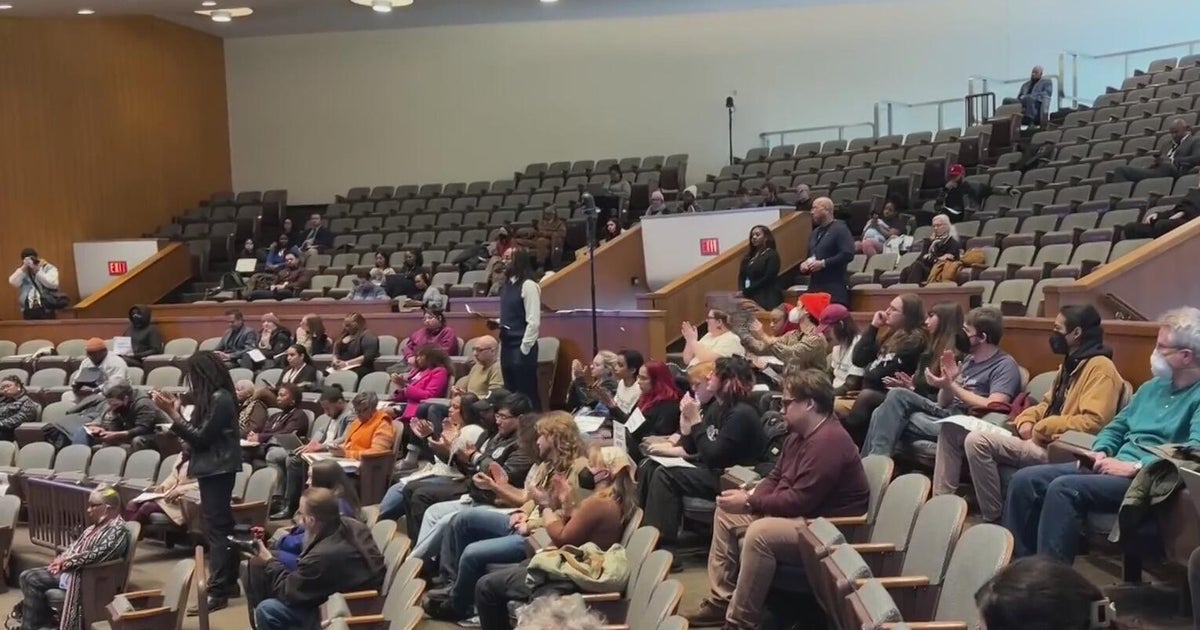
More than 200 demonstrators organized by the Coalition to Defend Affirmative Action (BAMN) gathered outside Motor City Casino as President Trump spoke to the Detroit Economic Club, declaring 'Trump is not welcome in Detroit' and protesting administration policies. Protesters emphasized tariffs hurting small businesses and farmers and briefly clashed with police before being redirected; the event remained largely peaceful and is unlikely to have direct market-moving implications.
Market structure: This protest is a localized political shock with asymmetric macro read‑through — incremental downside for small, local consumer-facing businesses and regional gaming foot traffic, and a relative win for large-scale, price-setting incumbents (national casinos, grocery/consumer staples). If tariff rhetoric persists (incremental import duties >10%), expect input-cost passthrough to compress margins for autos, suppliers and small retailers while boosting domestic commodity/steel producers by ~10–20% EBITDA tailwind over 6–12 months. Cross-asset: escalation of trade/political risk tends to push short-term safe‑haven flows into USTs/GLD and raise implied vols in regional banks, autos and small-cap retail (IWM/XRT) within days–weeks.
Risk assessment: Tail risks include a meaningful tariff shock (>+15% headline tariffs) that could shave 0.3–0.6 percentage points off US GDP over 4 quarters, or a larger, sustained wave of unrest in swing states that materially disrupts regional consumption for 1–2 quarters. Immediate horizon (days): local revenue blips for event venues; short-term (weeks–months): consumer discretionary order/margin compression; long-term (quarters–years): durable policy shifts that reallocate market share to scale players. Hidden dependencies include auto supply chains (tier‑2 suppliers with single OEM exposure) and election-driven fiscal/monetary responses that can rapidly flip risk premia.
Trade implications: Direct plays — rotate into consumer staples/utilities and domestic steel: establish 2–3% long XLP or KO/PG for 6–12 months and 1–2% long NUE for 3–9 months as a hedge against input‑protectionism. Trim 3–5% position sizes in F/GM and auto-supply names (e.g., LKQ) within 30 days; widen to 8–10% if steel HRC futures rise >15% or ISM PMI slips <50. Options: buy 3‑month put spreads on XRT or IWM (5%/10% OTM) sized to protect 2–4% portfolio downside; buy 3‑6 month GLD calls if 10‑yr yields fall >20bps on risk‑off.
Contrarian angle: Consensus overweights headline political noise and understates rapid mean reversion in localized-service revenues — well‑capitalized national casino operators (MGM, WYNN) historically recover within 60–120 days after local protests. The market may be overpricing persistent consumer weakness; if tariff announcements reverse or negotiations resume within 60 days, cyclicals could rebound 8–15%. Unintended consequence: over‑defensive positioning risks missing 10–20% snapbacks in beaten-down small‑cap and leisure names when headlines fade.
AI-powered research, real-time alerts, and portfolio analytics for institutional investors.
Request DemoOverall Sentiment
neutral
Sentiment Score
-0.10
