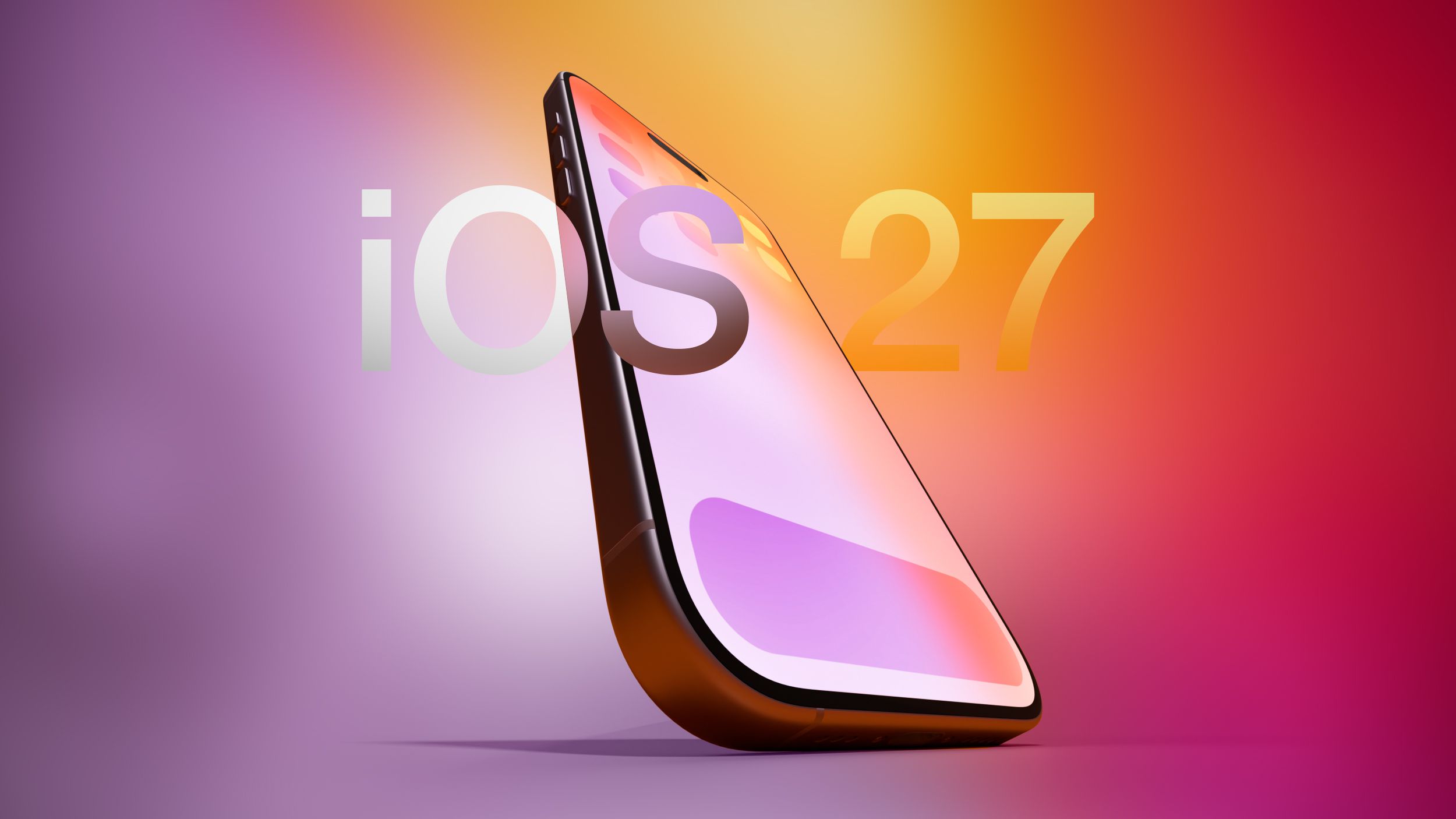
Apple is planning a more customizable Camera app in iOS 27, adding movable widget-style controls for features such as flash, exposure, timer, depth of field, photo styles, and resolution. The update also includes a new Siri camera mode with Visual Intelligence, refreshed Weather and Safari interfaces, and broader system-wide UI changes. The changes are incremental and user-experience focused, suggesting limited near-term market impact.
This is less about a single feature and more about Apple re-optimizing the iPhone UI for power users at a moment when handset differentiation is increasingly software-led. A more modular Camera interface is a subtle but important lever to raise perceived capability without a hardware cycle, which should support iPhone stickiness among creators and pros who are most likely to trade up and tolerate higher ASPs. The second-order effect is that Apple is effectively widening the gap between default consumer UX and advanced workflows, which makes the iPhone harder to displace in premium mobile capture even if Google/Samsung match on raw camera specs.
The near-term monetization impact is modest, but the strategic signal matters for the ecosystem. If Apple can make advanced controls feel native rather than third-party, it reduces the need for niche camera apps and weakens one small category of App Store ARPU leakage. It also increases the importance of AI-assisted capture/search workflows inside the OS, which is incrementally positive for Apple’s services engagement and for users with high photo/video creation intensity—one of the few cohorts with measurable willingness to pay for storage and device upgrades.
The main risk is that this is a UX polish cycle, not a hardware or AI breakthrough, so the market may over-interpret it as evidence of a larger iPhone demand inflection. Consensus seems to be missing that Apple’s biggest upside here is retention, not re-acceleration: better software can extend upgrade cycles if it makes older devices feel “good enough,” especially if the changes roll out broadly across supported models. If WWDC messaging is too light on on-device intelligence and too heavy on interface tweaks, the stock could fade on a classic buy-the-rumor/sell-the-event dynamic over days to weeks.
Contrarianly, the more important read-through may be competitive rather than product-specific: if Apple is bringing advanced camera controls into the native app, it is acknowledging that pro-style workflows matter enough to mainstream. That puts pressure on Samsung and Google to keep closing the gap in computational photography while also matching Apple’s usability, a harder task than simply shipping more features. Over a 6-12 month horizon, the setup is mildly positive for AAPL as a quality/defensive compounder, but not a catalyst for multiple expansion unless paired with stronger AI functionality than this article suggests.
AI-powered research, real-time alerts, and portfolio analytics for institutional investors.
Request DemoOverall Sentiment
mildly positive
Sentiment Score
0.15
Ticker Sentiment
