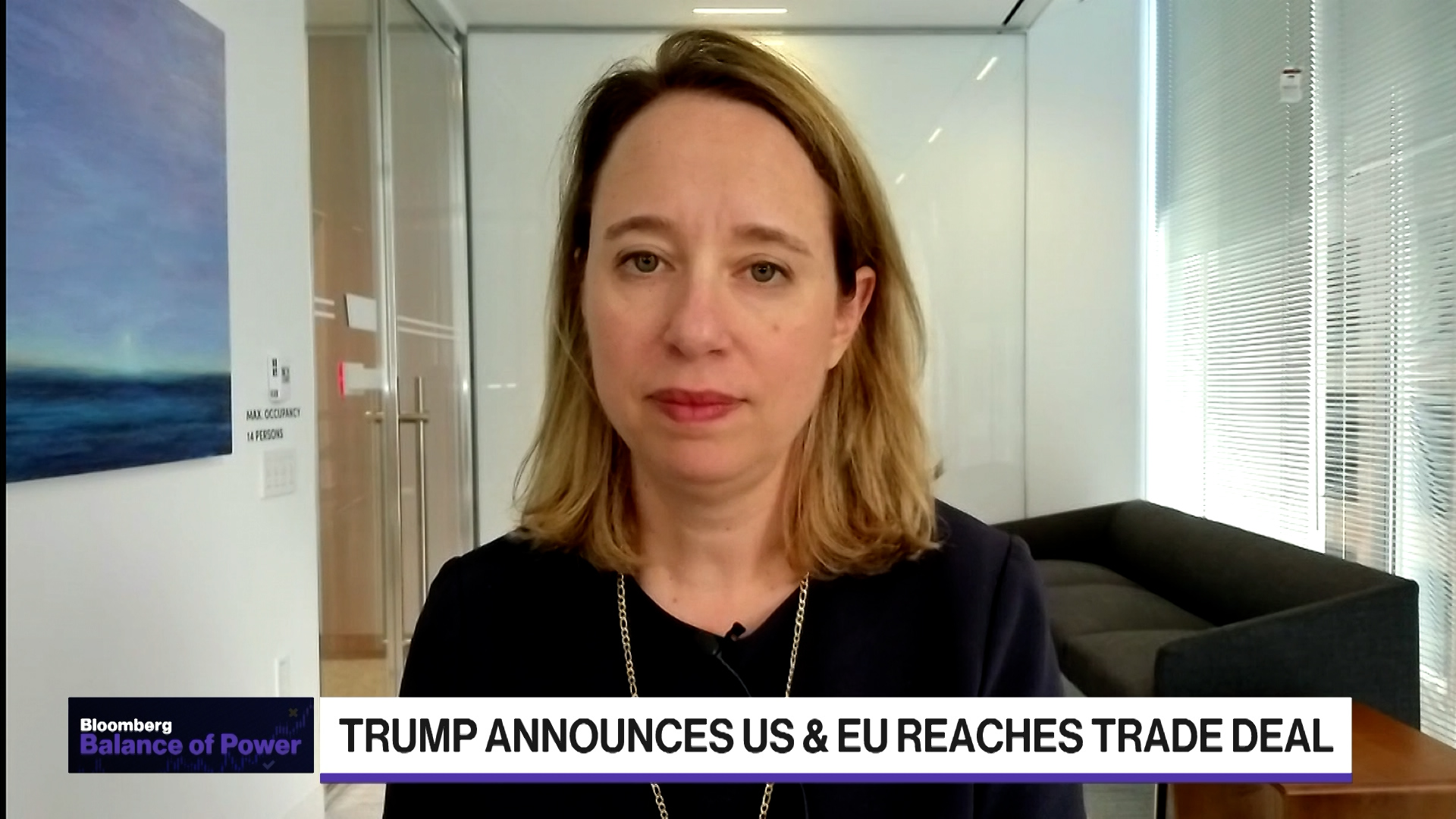
The European Union has finalized a trade agreement with the United States, consenting to 15% tariffs, as reported on July 28, 2025. This deal, following recent high-level talks, allows the Trump administration to declare a win ahead of a looming tariff deadline, potentially de-escalating transatlantic trade tensions.
A definitive trade agreement has been reached between the United States and the European Union, establishing a 15% tariff and averting a potentially more severe transatlantic trade conflict. This resolution, coming just before a key deadline, removes a significant source of geopolitical and economic uncertainty that has been weighing on markets. The deal is being framed as a political success for the Trump administration, suggesting a period of stable, albeit managed, trade relations. The market's reaction, indicated by a moderately positive sentiment score of 0.5 and a significant market impact score of 0.6, reflects relief that a worst-case scenario of escalating, open-ended tariffs has been avoided. The establishment of a clear 15% tariff, while still a cost to be absorbed, provides the policy clarity necessary for businesses in highly-exposed sectors to model future costs and adjust supply chain strategies accordingly.
AI-powered research, real-time alerts, and portfolio analytics for institutional investors.
Request DemoOverall Sentiment
moderately positive
Sentiment Score
0.50
