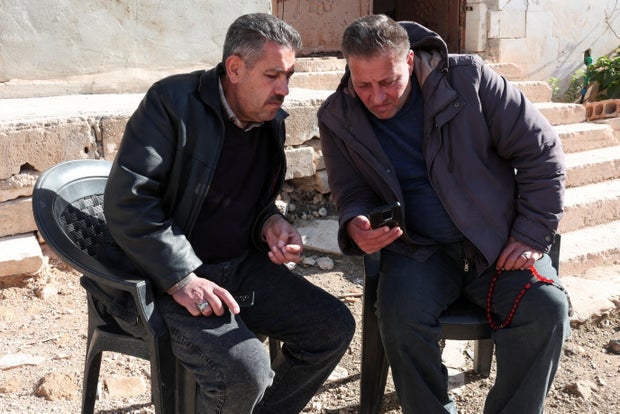
Ahmed al Ahmed, a 44-year-old Syrian-Australian shop owner, tackled and disarmed one of two gunmen in a mass shooting near Bondi Beach that killed 15 people; he was shot multiple times and is undergoing surgery with an expected six-month recovery. A public fundraising page attracted roughly 40,000 donors who contributed about AU$2.3 million (~US$1.5 million), including a AU$99,000 pledge from billionaire William Ackman; Australia’s tax-funded health system will likely cover his medical care. The incident has prompted high-profile political attention and public expressions of support, but is unlikely to have direct market implications beyond localized security and political considerations.
Market structure: This event is a localized shock with asymmetric winners — homeland/security primes, cybersecurity vendors and defense contractors gain marginally (higher procurement probability), while tourism/hospitality and local retail near affected precincts face near-term demand erosion. Pricing power shifts are modest: expect government budget reroutes (+0.1–0.3% of national budgets regionally) toward policing and surveillance over 6–18 months, benefiting suppliers with existing govt contracts. Cross-asset: short-lived AUD weakness and AUD sovereign yield declines are likely within days; gold and defensive bonds may see small inflows (1–3% repricing).
Risk assessment: Tail risks include escalation into broader sectarian violence in Australia (low probability <5% but high impact on AUD/equities) or a policy backlash that accelerates border/security spending (positive for defense) within 3–12 months. Immediate risks (days) are sentiment-driven equity dips of 1–3%; medium term (weeks–months) regulatory scrutiny of surveillance/privacy could pressure certain tech names. Hidden dependencies: budget reallocation could crowd out other capex, hurting construction/materials domestically; insurance/reinsurance claims could affect QBE/S&P-rated carriers marginally. Key catalysts: government spending announcements (30–90 days), prosecutions/social-unrest metrics, and AUD breaking technical levels (e.g., 0.63).
Trade implications: Tactical, small-weight positions are appropriate — favor 6–12 month longs in defense/security contractors with government footprints (LHX, NOC, BAES.L) and cybersecurity (CRWD, PANW) at 1–3% AUM each, funded by short-duration tourist-exposed names (QAN.AX 1% short) and AUD vs USD FX exposure. Use options to express asymmetric view: buy 3-month AUDUSD puts (0.5–1% notional) to hedge tail AUD downside and 6–12 month call spreads on LHX/CRWD to cap premium. Rotate 1–2% from cyclical consumer names into defensive healthcare/medical suppliers (RHC.AX, HLS.AX) if domestic safety- spending firm.
Contrarian angle: Consensus will overweight defense/cyber winners; the market is underestimating social cohesion and policy restraint — large, persistent budget uplifts are uncertain. The reaction is likely overbought for US large-cap defense stocks already up +10–20% YTD; favor mid-cap contractors with direct Australian ties or niche security tech (palantir/PLTR type exposures) where multiple-year contract conversion is realistic. Watch for unintended consequences: stronger policing funding could trigger privacy regulation that dents data-aggregation business models over 12–24 months.
AI-powered research, real-time alerts, and portfolio analytics for institutional investors.
Request DemoOverall Sentiment
moderately negative
Sentiment Score
-0.30
