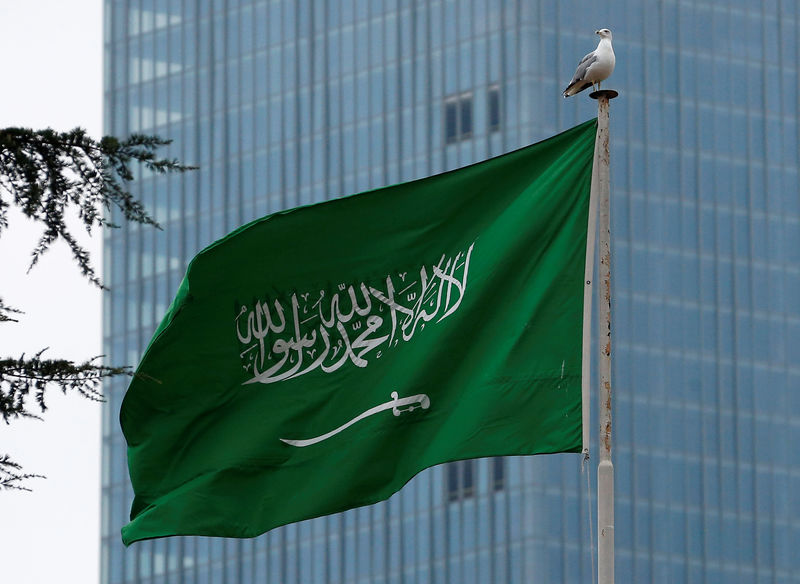
Saudi Arabia’s Public Investment Fund (PIF) reported a 60% decline in net profit for 2024, falling to 25.8 billion riyals ($6.9 billion) from 64.4 billion riyals in the prior year. The fund attributed this significant reduction to the impact of high interest rates, inflation, and project impairments stemming from operational plan changes and increased budgeted costs. Despite the profit downturn, PIF's total assets under management expanded by 18% to 4.321 trillion riyals in 2024.
Saudi Arabia’s Public Investment Fund (PIF) experienced a significant contraction in profitability for 2024, with net profit declining 60% to 25.8 billion riyals ($6.9 billion). The fund explicitly attributed this sharp decrease to the prevailing macroeconomic headwinds of high interest rates and inflation, which precipitated impairments on certain projects due to operational plan adjustments and increased costs. This performance highlights the vulnerability of even the largest sovereign wealth funds to global monetary policy tightening. Despite the profit decline, PIF's strategic focus on expansion remains intact, as evidenced by an 18% growth in total assets to 4.321 trillion riyals. This divergence between falling profits and rising assets suggests a strategy prioritizing long-term asset accumulation and deployment over short-term earnings realization, signaling that the fund is willing to absorb near-term valuation pressures to achieve its strategic objectives.
AI-powered research, real-time alerts, and portfolio analytics for institutional investors.
Request DemoOverall Sentiment
mixed
Sentiment Score
-0.15
