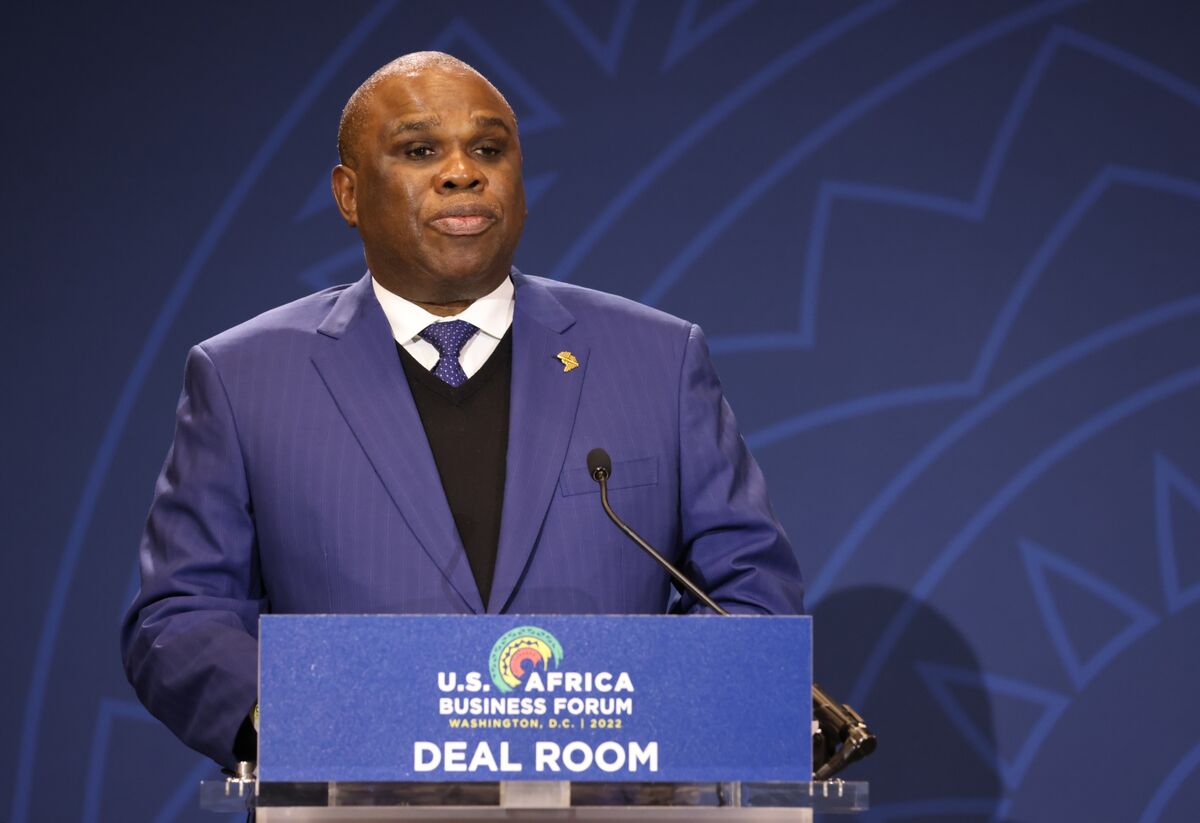
An African Union-backed panel is disputing Fitch Ratings' decision to downgrade the African Export-Import Bank (Afreximbank) to BBB-, just one level above junk status. The downgrade was based on concerns that Afreximbank's loans to sovereign borrowers might be included in debt restructurings, but the panel is requesting Fitch to review its classification of these loans. The lower rating could restrict investment in Afreximbank's debt by limiting the pool of eligible funds.
Fitch Ratings has downgraded the African Export-Import Bank's (Afreximbank) debt rating to BBB-, positioning it merely one step above speculative, or 'junk', status. This action was driven by Fitch's concerns that loans extended by Afreximbank to sovereign borrowers might be incorporated into those nations' debt restructuring efforts, thereby increasing repayment risk. The downgrade to BBB- is significant as it could restrict the pool of institutional funds eligible to invest in Afreximbank's debt, potentially impacting its borrowing costs and market access. An African Union-backed panel has formally contested this downgrade, specifically challenging Fitch's classification of loans to three countries and requesting a review of the rating action. This dispute introduces uncertainty regarding the stability of Afreximbank's credit profile and underscores the sometimes contentious relationship between rating agencies and entities with significant sovereign exposure.
AI-powered research, real-time alerts, and portfolio analytics for institutional investors.
Request DemoOverall Sentiment
moderately negative
Sentiment Score
-0.40
