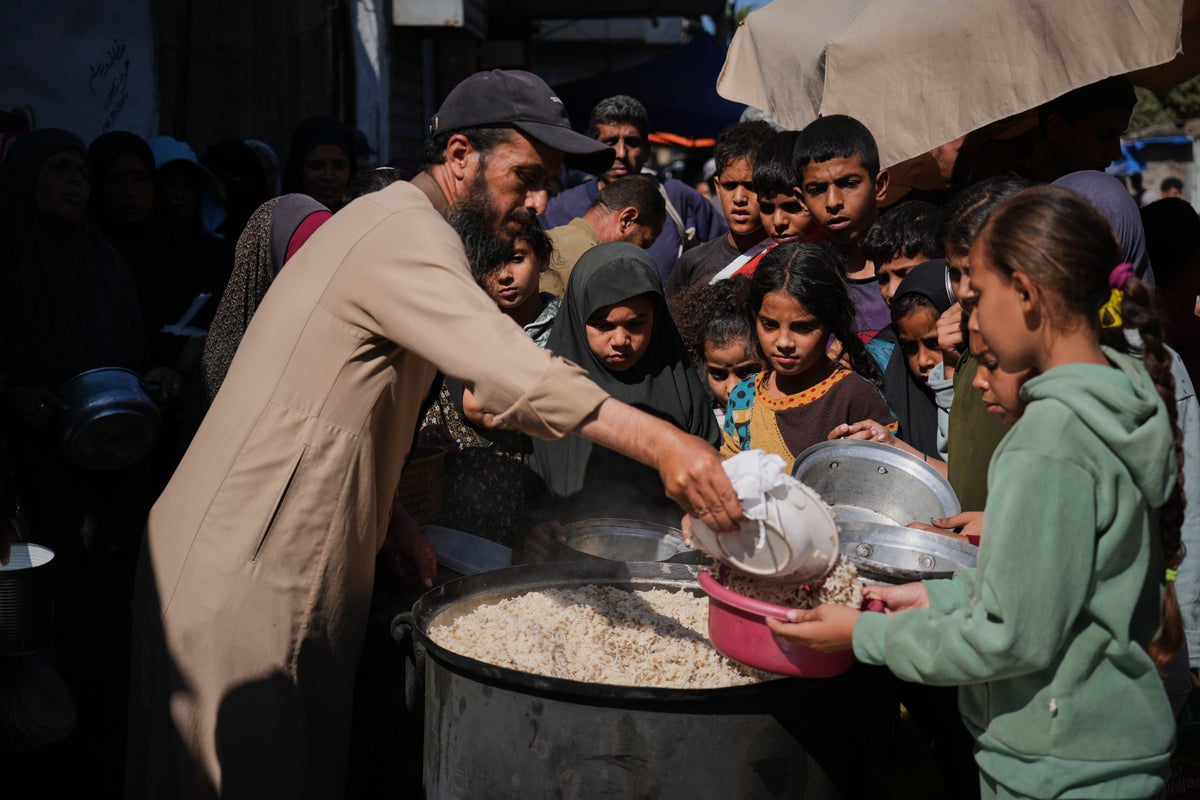
Despite a recent ceasefire, humanitarian aid flow into Gaza, particularly the north, remains critically insufficient, with agencies reporting only a "trickle" of necessary supplies and infectious diseases escalating. Israel's COGAT has reduced daily aid truck allowances from 600 to 300, citing Hamas's slow return of hostage bodies, while bureaucratic hurdles and the continued closure of key northern crossings impede distribution. This operational bottleneck, coupled with rising food prices and a decimated health infrastructure, underscores the fragility of the ceasefire and the deepening humanitarian crisis, with significant aid stockpiled but unable to enter.
Despite a recent ceasefire, humanitarian aid flow into Gaza remains critically insufficient, particularly in the north, with agencies describing the current 560 metric tons per day as a "trickle" against the "thousands of vehicles weekly" needed. This shortfall is exacerbating widespread malnutrition, homelessness, and a severe health crisis, as evidenced by infectious diseases like meningitis "spiralling out of control" and only 13 of 36 hospitals partially functioning. The UN World Food Programme (WFP) warns of a "narrow window of opportunity" to scale up deliveries amidst these dire conditions.
Key impediments include Israel's COGAT halving daily aid truck allowances from 600 to 300, citing Hamas's slow return of hostage bodies, a stance reinforced by Prime Minister Netanyahu. Logistical challenges persist with northern border crossings like Zikim and Erez remaining closed, making access to famine-hit areas "extremely challenging" due to damaged roads. Furthermore, the Rafah crossing, despite coordination efforts, will not facilitate humanitarian aid, according to COGAT.
Bureaucratic hurdles, including Israel's re-registration process for humanitarian organizations, are further delaying aid distribution, with groups like Mercy Corps facing administrative barriers. This operational bottleneck, coupled with fears the ceasefire will not hold, has caused food prices in Gaza to surge after an initial decline. The overall situation points to a highly fragile geopolitical environment with significant humanitarian and potential regional economic implications.
AI-powered research, real-time alerts, and portfolio analytics for institutional investors.
Request DemoOverall Sentiment
strongly negative
Sentiment Score
-0.75
