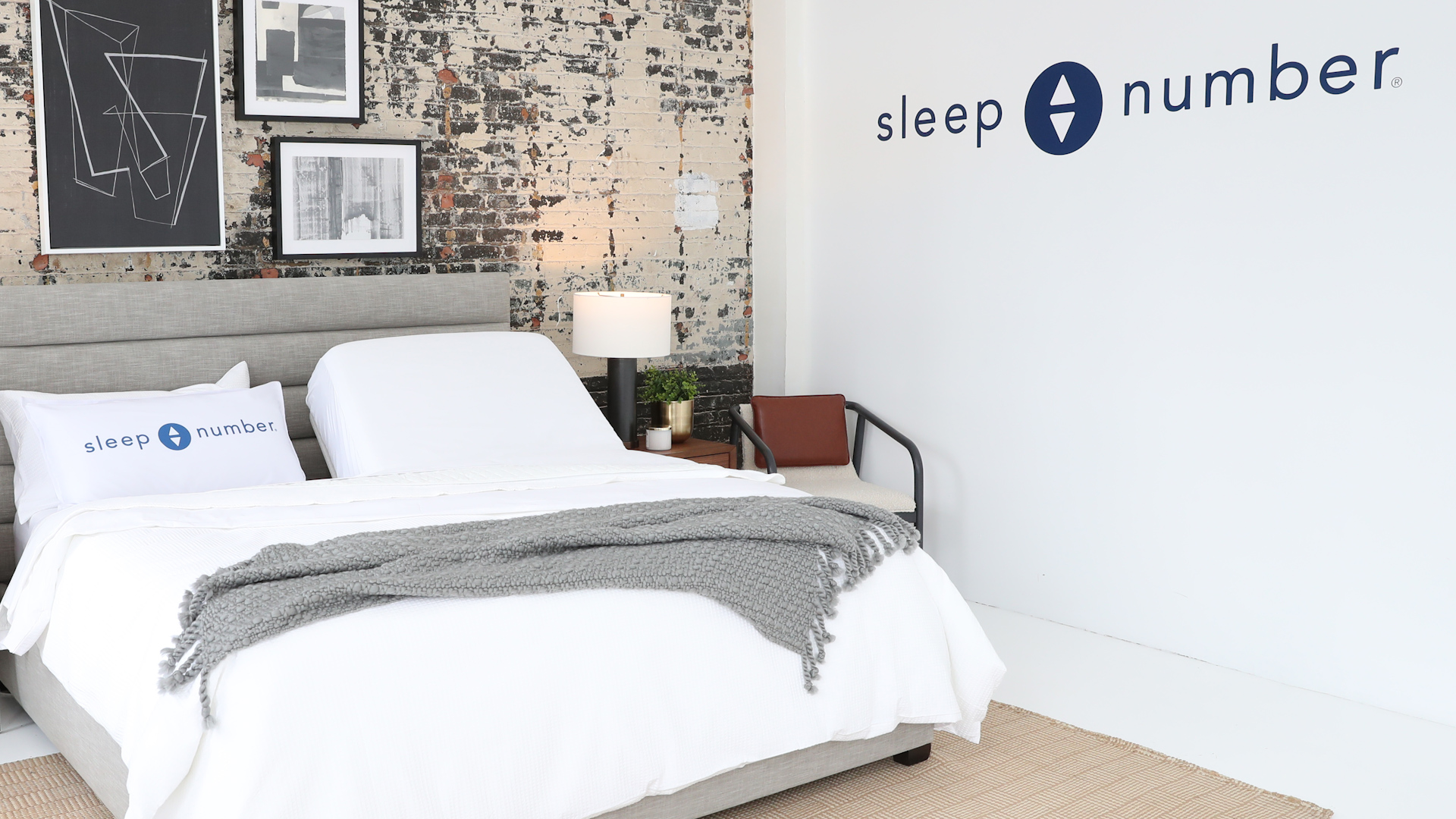
Management acknowledged disappointing third-quarter operating results and said it is executing a turnaround focused on refining the product set, resetting marketing, expanding distribution and driving cost savings. The company named Amy O'Keefe as permanent CFO, reports marketing investment running roughly 11–14% of revenue, and highlights structural advantages including ~60% gross margins and negative working capital; it is also leaning on its product differentiation (fully adjustable beds and 900+ patents) to expand TAM toward younger buyers. The tone is defensive but constructive, with emphasis on operational fixes rather than near-term financial guidance changes.
Market structure: Sleep Number (SNBR) is positioned as a differentiated, high-margin (stated ~60% GM) premium durable with 900 patents and adjustable-technology edge; winners are vertically integrated adjustable/tech players and premium bedding accessories (sheets, pads) while commodity mattress makers will face price pressure. Competitive dynamics favor SNBR regaining pricing power if it stabilizes marketing ROI and grows millennial TAM; store-led foot-traffic risk keeps online conversion a key variable. Cross-asset: durable stabilization reduces credit/default risk (positive for SNBR credit spreads), implied equity vol should compress on credible turnaround; commodity exposure limited to foam/metal supply chains with modest FX sensitivity.
Risk assessment: Tail risks include marketing spend failing to reaccelerate sales, execution lapses from leadership churn, or a macro consumer pullback that knocks durables purchase frequency; low-probability legal/patent battles could also be binary. Time horizons: immediate (days–weeks) will price reaction to commentary and Q4 guidance; short-term (3–12 months) tests are marketing ROI and YoY revenue inflection; long-term (2–3 years) depends on TAM expansion into accessories and millennial adoption. Hidden deps: store traffic recovery and supply of adjustable modules; catalysts are upcoming quarterly results, 2026 strategy specifics, and any M&A signals.
Trade implications: Tactical long exposure to SNBR is attractive if metrics improve — establish small, staged positions and use option spreads to cap downside; pair trades vs. Tempur Sealy (TPX) can express relative product/marketing execution. Buy-side should rotate out of low-margin, high-inventory mattress retailers into premium durable/tech-enabled names and bedding consumables. Entry should be staged: initial nibble now, add on confirmed KPI beats (revenue growth >+3% YoY or marketing CAC improvement >20%) within 3–6 months.
Contrarian angles: Consensus may underprice SNBR’s operating leverage — 60% GM + negative working capital implies high cash conversion and upside if growth returns; sell-side focus on near-term softness could be overdone. Risks under-acknowledged: overcutting R&D to hit near-term margins could erode patent moat, and accelerating online could cannibalize stores and change LTV assumptions. Historical parallels: tech-led product refreshes in durable categories often re-rate valuation when ROI on marketing normalizes (12–24 months).
AI-powered research, real-time alerts, and portfolio analytics for institutional investors.
Request DemoOverall Sentiment
neutral
Sentiment Score
0.05
Ticker Sentiment
