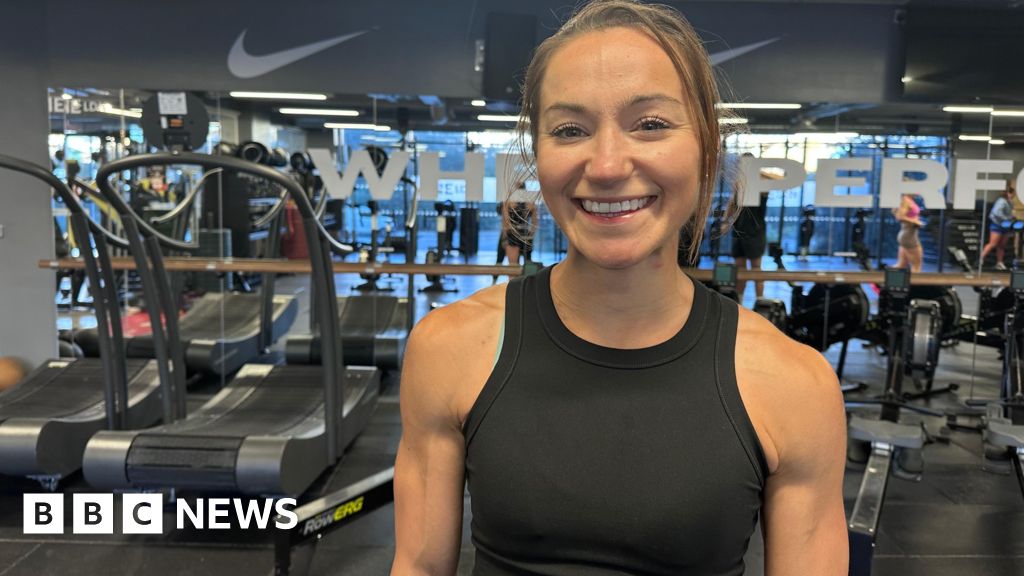
Hyrox, a run-and-fitness competition launched in 2021, is scaling rapidly—organisers expect about 1.3m participants globally this year—with events attracting Gen Z and young millennials who spend on entry fees (~£120), travel (£400–£1,000 per weekend), apparel and training; some competitors report individual trips of up to £2,000 for international championships. The trend is creating recurring consumer demand for event operators, specialist apparel and travel providers (including bespoke competition holidays) and may support revenue growth for fitness-related retail, boutique gyms and leisure travel niches as participation and social-media-driven fashionability expand.
Market structure: Winners are premium athleisure and footwear (Lululemon LULU, Nike NKE), travel/OTA winners (Booking BKNG, Expedia EXPE) and boutique event operators that can monetize recurring registrations; losers include low‑end apparel (Gap GPS), commodity retailers and discretionary leisure that compete for the same wallet share. Pricing power should rise for brands that command style/status — expect ASP (average selling price) expansion of 2–5% and gross margin improvement of ~100–200bps for market leaders if Gen Z sustains spend. Cross‑asset: modest positive equity tilt to consumer discretionary vs fixed income; negligible sovereign FX impact except local tourism hubs (EUR/GBP inflows into event cities) and small upward pressure on cotton/apparel commodity chains.
Risk assessment: Tail risks include event cancellations (pandemic/reserve capacity) and liability/health regulation that could force higher insurance costs; a macro shock (US unemployment +1ppt) could cut discretionary fitness spend by 15–25% within two quarters. Near term (days–weeks) catalysts are event sellouts and viral social posts; medium term (3–12 months) is retail earnings cadence; long term (2–5 years) is cultural durability vs fad risk. Hidden dependencies: influencer-driven sign‑ups, airline pricing and venue supply; watch summer airfare indexes and venue availability as leading indicators.
Trade implications: Prefer concentrated long exposure to LULU (premium pricing power) and selective travel exposure BKNG, with size control and option overlays; short undercapitalized specialty retailers (GPS) that compete on price. Use pair trades to isolate trend: long LULU / short GPS to express premium athleisure secularization. Options: buy 3–6 month call spreads on LULU or NKE to cap premium; consider calendar spread on BKNG into summer booking season.
Contrarian angles: Consensus underestimates event fatigue, liability risk and travel cost elasticity — the trend can be binary if injury/regulation headlines hit. Historical parallel: boutique fitness booms (CrossFit, SoulCycle) that re‑rated category leaders then compressed; mispricing exists where small‑cap event operators are valued on growth without profit sensitivity to a 10–20% drop in registrations. Unintended consequence: over‑monetization (high ticket + travel) could push new entrants to low‑cost alternatives, compressing long‑run take rates.
AI-powered research, real-time alerts, and portfolio analytics for institutional investors.
Request DemoOverall Sentiment
mildly positive
Sentiment Score
0.32
Ticker Sentiment
