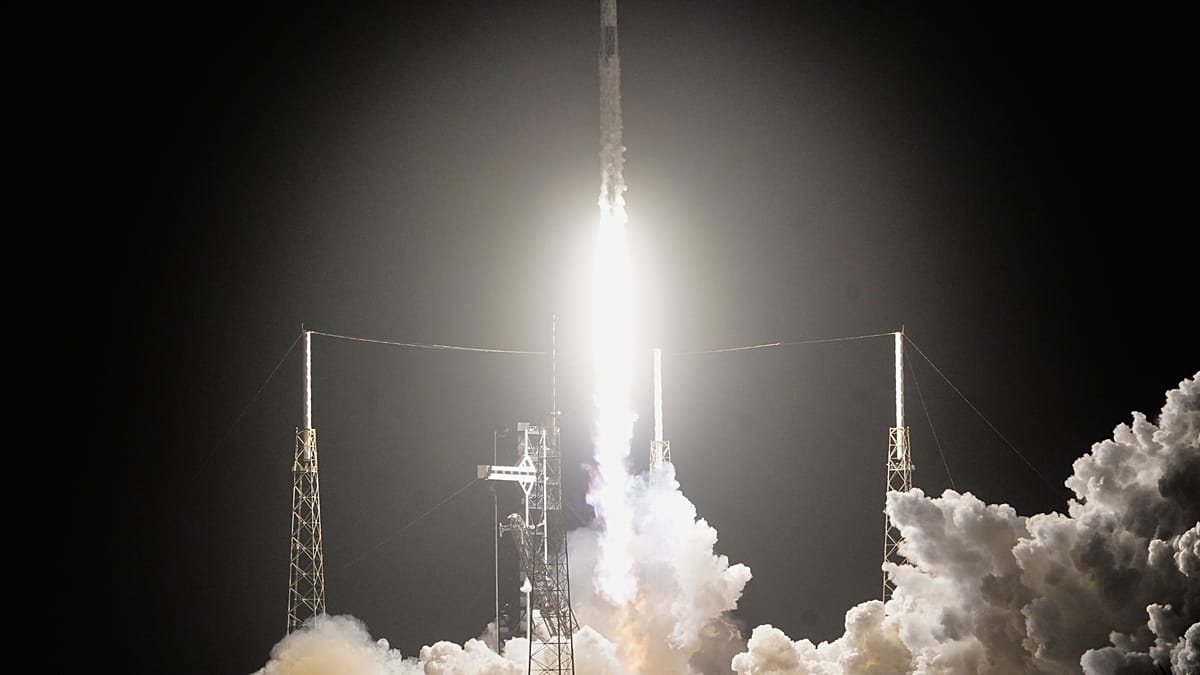
SpaceX plans to allocate up to 30% of IPO shares to retail investors; the combined SpaceX–xAI entity was valued at $1.25tn after a $1tn valuation for SpaceX and $250bn for xAI, and reports suggest a potential $75bn share sale to reach a $1.5tn market cap. Musk has proposed a tailored underwriting approach with Bank of America handling U.S. high-net-worth retail, Morgan Stanley/E*Trade for smaller retail, UBS for international HNW, and Citi coordinating broader overseas sales. Analysts view the IPO as a key test of AI/tech market sentiment that could drive significant demand, though lofty valuations raise bubble-risk concerns.
A 30% retail carve‑out materially changes post‑IPO microstructure: the investor base will skew toward higher quantity of small accounts and platform flows (E*Trade) plus a concentrated HNW/family‑office cohort via selected banks. That mix reduces immediate institutional float but raises the probability of a sharp initial pop followed by choppy secondary market activity, because retail and HNW behavior diverges — HNW can be sticky while small retail flips on momentum. Expect realized volatility to be elevated on day‑of and in the first 3 months as allocation granularity and aftermarket supply/demand find equilibrium.
The bespoke underwriting split is a revenue and risk concentration play for chosen banks: domestic retail placement (BAC) and platform handling (MS/E*Trade) monetizes orderflow and custody optics, while UBS/Citi capture international fee pools. Narrow mandates reduce banks’ ability to syndicate risk across a broad book, so underwriters' reputational exposure is asymmetric — the chosen firms gain fee upside but face outsized blame if retail sentiment sours. GS/JPM stand to lose optional fee streams and cross‑sell flow in our scenario.
For markets, SpaceX’s IPO will be a high‑signal test for AI/tech appetite: a strong priced and traded deal can re‑accelerate multiple expansion in AI hardware/software names (NVDA beneficiaries), whereas a tepid aftermarket would validate recent dispersion within the Magnificent Seven and accelerate de‑risking across tech over 3–12 months. Key horizons: price discovery and aftermarket trading (days–weeks), lockup expiries and follow‑on issuance (6–12 months), and any regulatory/legal pushback (12+ months).
Tail risks include regulatory scrutiny over preferential retail access, litigation over allocation practices, and execution failure from fractured book‑building. Those outcomes would compress IPO fees, hit chosen banks’ earnings surprise risk, and create fertile ground for short gamma/market‑making profits in the near term.
AI-powered research, real-time alerts, and portfolio analytics for institutional investors.
Request DemoOverall Sentiment
moderately positive
Sentiment Score
0.55
Ticker Sentiment
