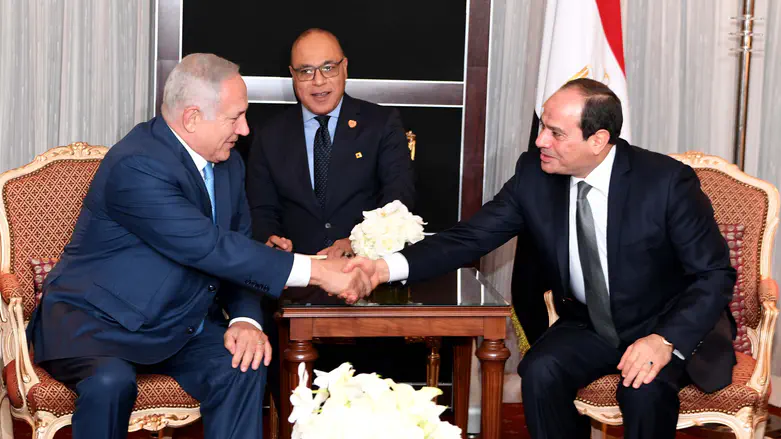
The White House is coordinating a potential summit between Israeli PM Benjamin Netanyahu and Egyptian President Abdel Fattah al‑Sisi tied to a proposed multibillion‑dollar natural gas agreement that U.S. officials say could supply a significant share of Egypt's electricity and deepen bilateral interdependence. Washington is pressing Israel to finalize the deal and advance complementary technology, water and renewable energy initiatives as an economic‑diplomacy model for the region, though Israel has not yet formally endorsed the plan amid domestic political timing and Netanyahu's preference for a public signing in Egypt.
Market structure: A signed Israel–Egypt gas deal is a modest but meaningful demand shock for regional gas infrastructure and Egyptian power generation — think multibillion-dollar contract flows that can supply ~0.5–1.5 bcm/yr initially and scale higher. Winners: Egyptian power generators, Orascom/Elsewedy-type contractors, Israel energy/infrastructure firms, and regional financials via fee flows; losers: short-term LNG arbitrageurs and any regas capacity that sits idle. Expect incremental pricing power for pipeline/regas operators in the Eastern Mediterranean and modest downward pressure on local wholesale gas prices in Egypt within 6–18 months.
Risk assessment: Tail risks include a security escalation halting exports, domestic Israeli political vetoes, or Egyptian renationalization — each could wipe out >100% of expected near-term project NPV. Immediate (days) market moves will be muted; short-term (1–6 months) depends on formal signing and financing; long-term (2–5 years) outcome hinges on cumulative volumes and wider Arab normalization. Hidden dependencies: domestic gas pricing regimes, Egyptian subsidy politics, and US diplomatic leverage to force timing — miss any of these and contracts stall.
Trade implications: Tactical plays favor country/allocation trades over single-name exposure: Egyptian equity re-rating (EGPT) and Israeli equity/tech/energy (EIS) should outperform EM peers if a deal is signed within 90 days. Use relative-value pair trades (Egypt vs EM) and cost-limited option structures (3–6 month call spreads) to cap downside while capturing policy-driven upside. Fixed income: expect a 30–70bp tightening in Egyptian sovereign USD spread on visible, material export revenue; consider short-duration sovereign exposure to capture carry.
Contrarian angles: Consensus underestimates implementation friction — political optics (Netanyahu wanting a public signing) and domestic politics could delay 6–12+ months, meaning short-term optimism is likely overstated. The market may overpay for energy contractors expecting immediate capex; the real value accrues to pipelines/regas operators and utility cashflows, not upstream majors. Historical parallel: East Mediterranean projects (Leviathan/Tamar) took years from agreement to first flows — price in a multi-quarter runway and use option-sized exposure.
AI-powered research, real-time alerts, and portfolio analytics for institutional investors.
Request DemoOverall Sentiment
mildly positive
Sentiment Score
0.23
