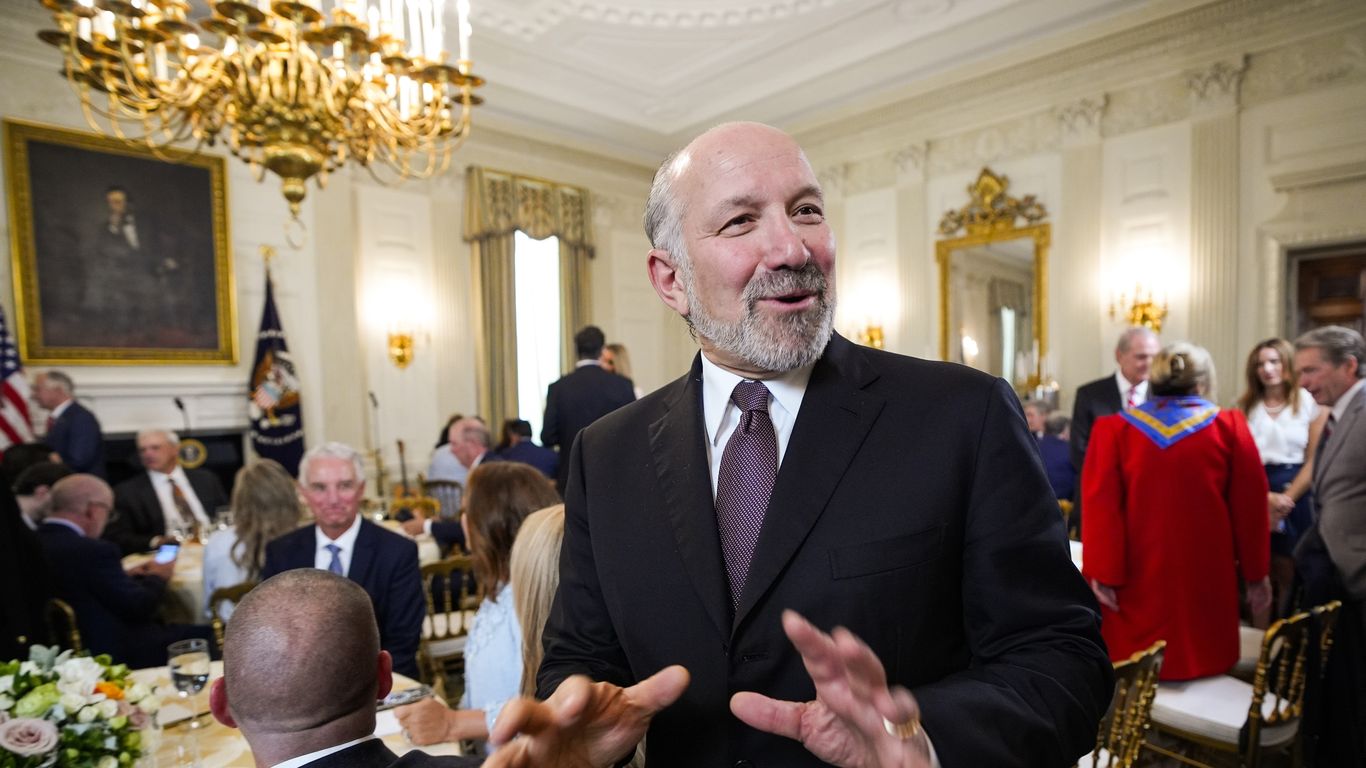
Commerce Secretary Howard Lutnick confirmed that tariff deadlines will not be extended, with new tariffs set to take effect on August 1, impacting dozens of countries and pushing the blended import tariff rate above 20%. This signals an end to the 'TACO trade' pattern of tariff reversals, potentially shifting market dynamics. Despite administration assurances against inflation and projections of significant revenue, ongoing high-level negotiations with key trade partners remain crucial for the near-term outlook.
The declaration by Commerce Secretary Howard Lutnick that tariffs will be implemented on August 1 without further extensions signals a significant shift in U.S. trade policy and market dynamics. This move effectively ends the so-called "TACO trade" (Trump always chickens out), a market assumption that tariff threats would be reversed, which has contributed to recent equity market gains. The impending tariffs are substantial, with the Yale Budget Lab estimating the blended import rate will exceed 20%, the highest level since 1911. While the administration dismisses concerns about inflation, this view is challenged by recent data showing price increases for tariff-exposed goods. Furthermore, the administration's revenue forecast of $700 billion to $1 trillion annually appears highly optimistic, as current monthly receipts are running at less than half of that projected rate. The situation remains fluid, as critical negotiations with the EU and China are scheduled this week, making the next five days pivotal for near-term market direction.
AI-powered research, real-time alerts, and portfolio analytics for institutional investors.
Request DemoOverall Sentiment
moderately negative
Sentiment Score
-0.50
