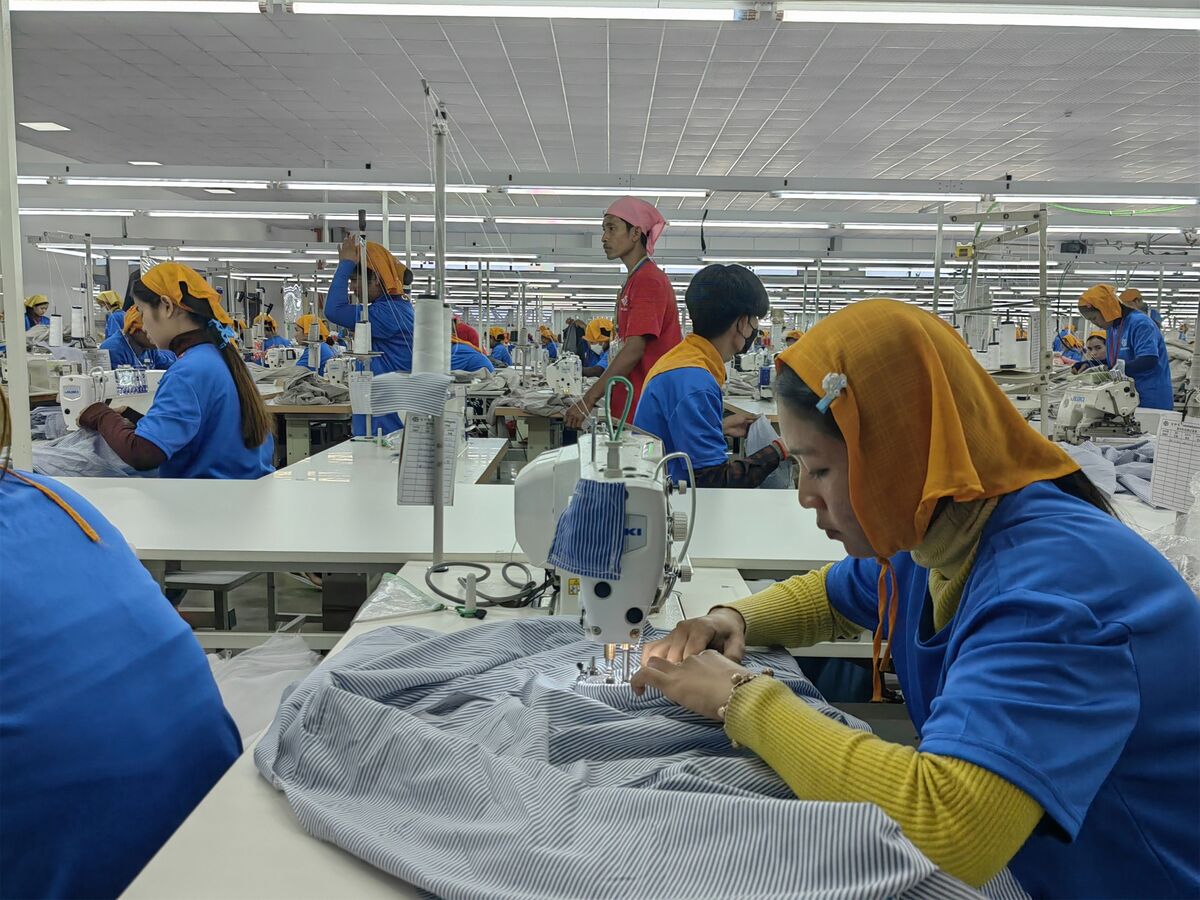
Cambodia anticipates stable investment inflows into Southeast Asia's labor-intensive industries, despite US tariffs, attributing this resilience to the region's cost-competitive workforce. A Ministry of Commerce spokesperson indicated that while tariffs impact global supply chains, the investment trend in Southeast Asia is expected to remain largely unaffected, signaling the region's potential as a resilient manufacturing hub.
Cambodia's Ministry of Commerce projects continued investment stability in Southeast Asia's labor-intensive industries, positing that the region's cost-competitive workforce will insulate it from the broader impacts of US tariffs. A government spokesperson, Penn Sovicheat, acknowledged that while US tariffs create significant disruption to the global supply chain, the investment trend within Southeast Asia is expected to remain largely unaffected. This official stance frames the region as a resilient manufacturing hub, suggesting its fundamental labor cost advantages may outweigh the headwinds from international trade disputes. The commentary, while optimistic, is qualitative and presents a government-level perspective on macroeconomic trends without providing specific investment data or corporate commitments to substantiate the claim.
AI-powered research, real-time alerts, and portfolio analytics for institutional investors.
Request DemoOverall Sentiment
moderately positive
Sentiment Score
0.50
