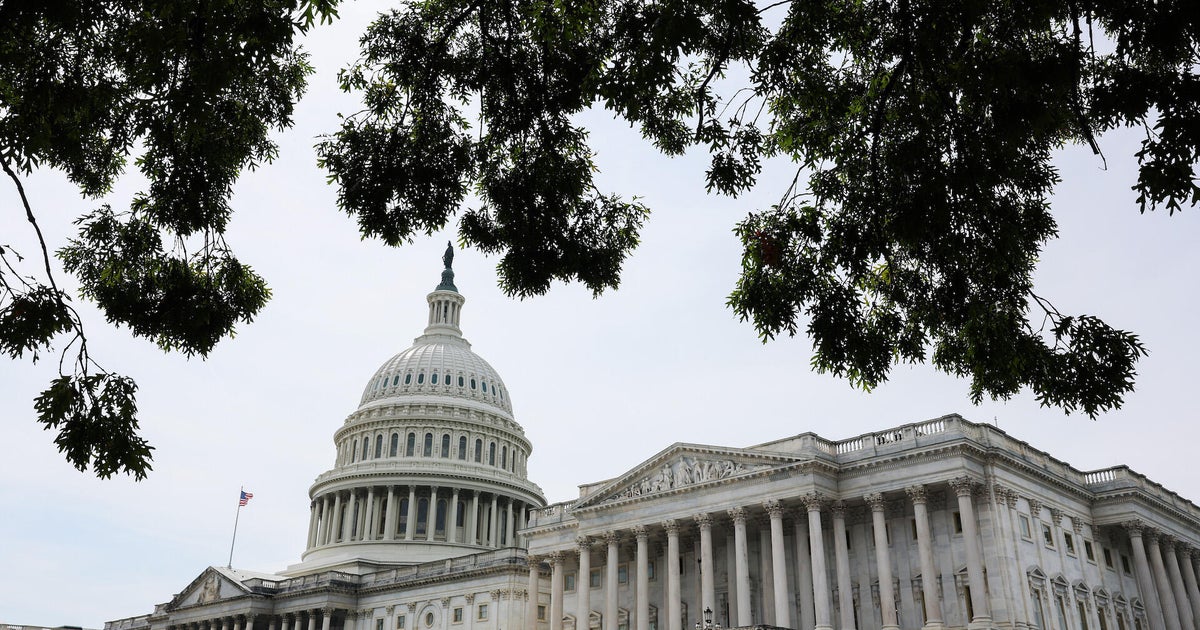
The U.S. federal government faces an imminent shutdown by Wednesday, September 30th, as Congress failed to pass a continuing resolution to fund operations, with both Democrats and Republicans assigning blame. A central dispute revolves around the extension of enhanced Affordable Care Act premium tax credits; Democrats insist on their inclusion to prevent cost increases for millions, while Republicans reject them as temporary COVID-era subsidies that should expire. This legislative impasse highlights significant policy disagreements that could disrupt federal services and impact sectors reliant on government funding.
The U.S. federal government is on the verge of a shutdown scheduled for 12:01 am Wednesday, as Congress has failed to pass a continuing resolution (CR) to extend funding beyond the fiscal year-end of September 30. The Republican-controlled House passed a 'clean' CR to maintain funding at 2024 levels through November 21, but the measure failed in the Senate, where 60 votes were required for approval. The primary point of contention is the Democratic push to include an extension of enhanced Affordable Care Act (ACA) premium tax credits, which are set to expire at the end of the year. Democrats argue these credits are essential for millions of Americans to maintain affordable health insurance, while Republicans, such as Rep. Keith Self, contend they are temporary COVID-era subsidies that should expire. This legislative gridlock, reflected in the strongly negative sentiment score (-0.65), introduces significant uncertainty. While Senate Majority Leader John Thune has indicated a willingness to negotiate the ACA credits separately, his refusal to attach them to the CR solidifies the current impasse, suggesting that even if a short-term funding solution is found, the underlying policy disputes will persist and likely resurface.
AI-powered research, real-time alerts, and portfolio analytics for institutional investors.
Overall Sentiment
strongly negative
Sentiment Score
-0.65
