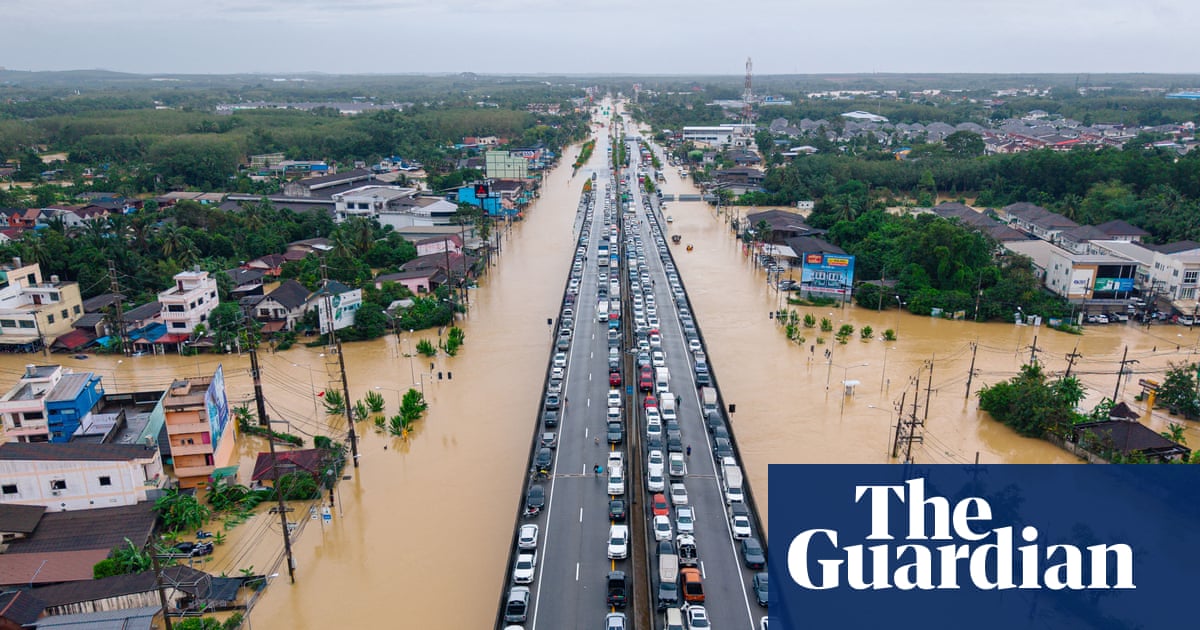
A series of tropical cyclones (Ditwah, Koto and Senyar) combined with monsoon rains have caused widespread flooding and landslides across South and Southeast Asia, killing nearly 1,000 people and displacing large populations. Indonesia reports 442 dead, nearly 300,000 displaced and ~3,000 houses damaged (827 destroyed); Sri Lanka reports 334 dead, ~400 missing and more than 1.3 million affected with ~148,000 in temporary shelters; Thailand reports 170 deaths and extreme rainfall (Hat Yai 372mm), while Vietnam and Malaysia report fatalities and significant damage (Vietnam: >$3bn in damage YTD, 400 dead/missing). The events raise near-term fiscal and reconstruction costs, strain logistics and tourism in affected markets, and underscore climate-driven tail risks to infrastructure, insurers and regional supply chains.
Market structure: Immediate winners are builders, heavy materials (cement, steel) and global reinsurers as claim flows will raise pricing power for cat reinsurance; losers are regional tourism, consumer discretionary, local banks and short-term logistics providers in affected corridors. Expect localized supply tightness for construction materials and palm oil/rubber (weeks→months), pushing regional commodity prices +5–20% if planting/warehousing damaged; shipping/container tightness can lift short-term freight rates in SE Asia.
Risk assessment: Tail risks include escalation to sovereign stress (Sri Lanka fiscal shock re-intensifying defaults), contagion to regional EM credit (ID/TH/VN sovereign spreads +50–150bp) and protectionism on imports/aid; these are low probability but high impact over 1–6 months. Hidden dependencies: disrupted manufacturing inputs from Vietnam/Thailand can ripple into electronics supply chains in 1–3 months; reconstruction spending raises inflation and yields in affected countries over 6–18 months.
Trade implications: Tactical trades: buy reinsurance names and select construction/materials, hedge via short regional tourism/hospitality and selective FX shorts (LKR, short-term THB pressure). Use options to express higher reinsurance volatility (3–6 month call spreads) and use commodity futures for palm oil/steel exposure. Keep duration light on sovereigns of highest impact countries and increase gold/FX hedges as flight-to-quality.
Contrarian angles: Consensus may over-penalize long-term growth in resilient exporters (Indonesia, Vietnam) — short-term shock but reconstruction typically boosts cement/steel demand for 6–18 months. Reinsurance equities may already price in near-term losses but underestimate multi-year rate hardening; conversely some tourism names may be oversold by >30% creating selective recovery trades 3–9 months out.
AI-powered research, real-time alerts, and portfolio analytics for institutional investors.
Request DemoOverall Sentiment
moderately negative
Sentiment Score
-0.50
