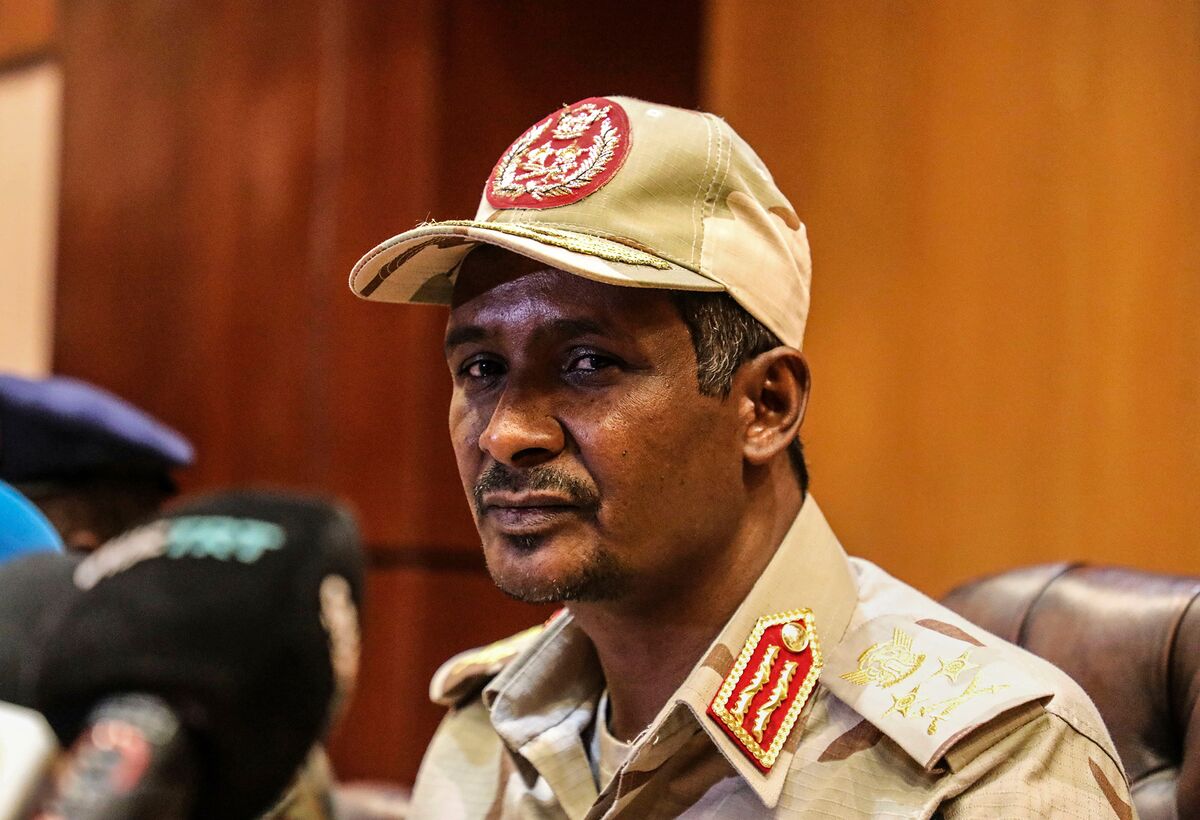
A coalition led by Sudan's paramilitary Rapid Support Forces (RSF) declared its own government on Saturday, to be led by General Mohamed Hamdan Dagalo from their stronghold in Nyala, Darfur. This unilateral declaration significantly escalates concerns regarding the potential partition of Sudan and the continuation of the country's ongoing conflict, signaling a deepening of the political and humanitarian crisis.
The declaration of a parallel government by the paramilitary Rapid Support Forces (RSF) in Sudan's western Darfur region represents a significant escalation of the country's internal conflict. This move, led by General Mohamed Hamdan Dagalo from the RSF stronghold of Nyala, formalizes a de facto partition of the nation and severely diminishes the prospects for a near-term negotiated settlement. The development validates the strongly negative sentiment (-0.8 score) surrounding the situation, pointing toward a protracted civil war and a deepening humanitarian crisis. While no specific publicly traded entities are directly implicated, the event contributes to heightened geopolitical risk in North and East Africa, threatening regional stability and potentially disrupting key commodity transit routes, such as the pipeline for South Sudanese oil.
AI-powered research, real-time alerts, and portfolio analytics for institutional investors.
Request DemoOverall Sentiment
strongly negative
Sentiment Score
-0.80
