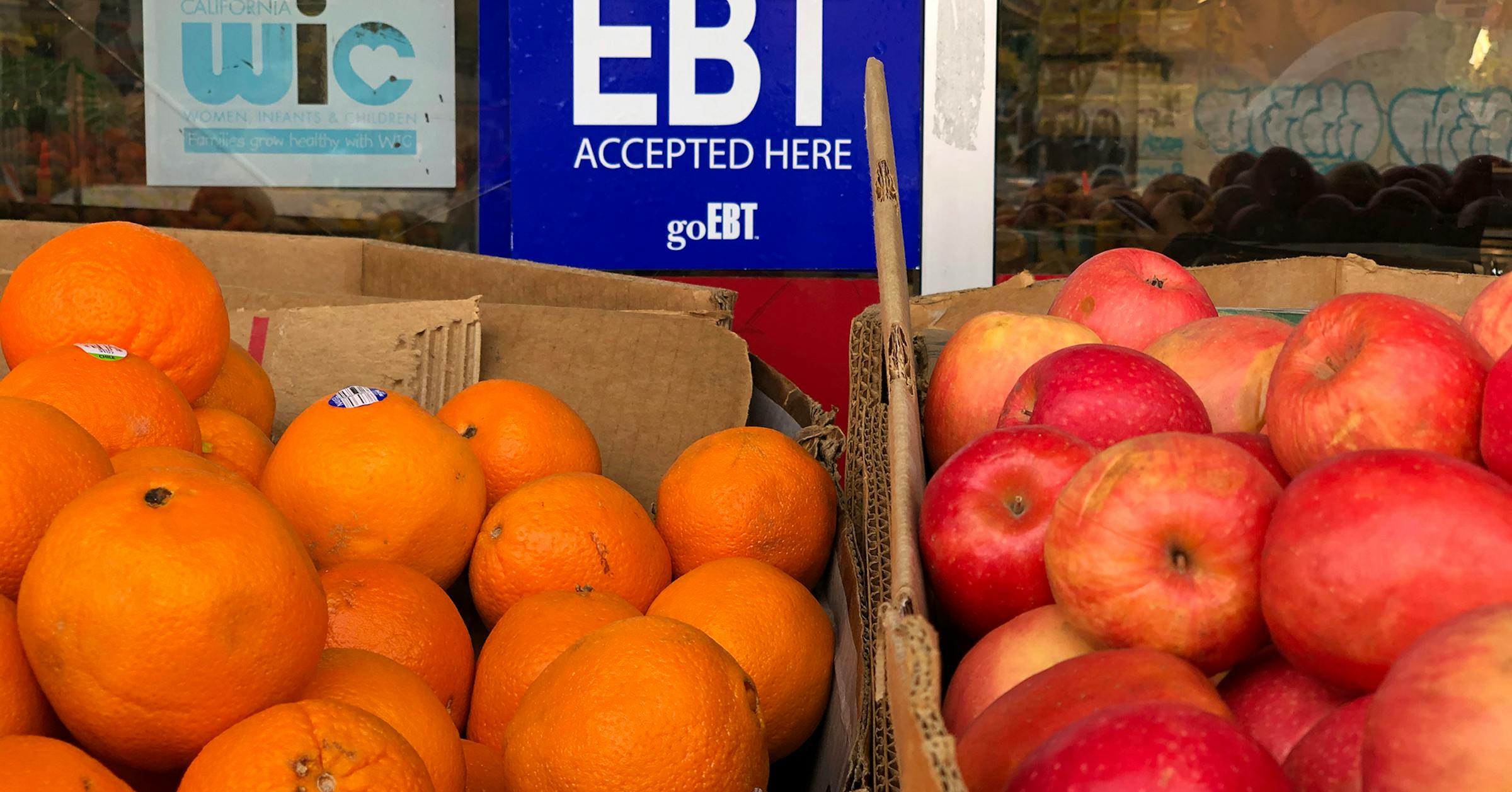
A Minneapolis grocery store owner was charged with one count of card fraud for allegedly trafficking more than $1 million in SNAP benefits meant for low-income families. Prosecutors say Abdiwahid Mohamed used EBT cards that did not belong to him to buy goods such as energy drinks, baby formula, and candy, then resold them through Minnesota Food Grocery LLC. The case adds to broader state and federal efforts to combat food assistance fraud in Minnesota, but the direct market impact appears limited.
This is less about isolated theft and more about a visible enforcement step that raises the expected cost of fraud across the regional grocery and convenience ecosystem. The second-order risk is margin compression for smaller retailers that have leaned on gray-market replenishment or loose controls around high-resale SKUs; once enforcement tightens, those operators lose a cheap source of inventory and may face inventory gaps before they can clean up compliance processes.
For Walmart and Costco, the immediate P&L impact is immaterial, but the reputational and operational signal is mildly constructive: both have incentive to keep pushing investigative collaboration because fraud leakage distorts demand signals and creates shrink at the basket level. The more interesting angle is that tighter fraud enforcement can transiently reduce low-income discretionary spend on nationally branded snacks, energy drinks, and formula in the affected market, which may show up as a local demand air pocket over the next 1-2 quarters rather than a company-wide issue.
The bigger catalyst is that this looks like part of a broader multi-agency sweep, so the tail risk is not the case itself but a cascading set of charges that could force more retailer audits, transaction limits, and benefit recertification. If the state or federal posture hardens, some of the volume that was effectively “phantom demand” disappears, which can create noisy comps for value channels and regional independents before normalizing. The contrarian view is that the market may overestimate any direct impact on WMT/COST and underappreciate the regulatory overhang for smaller operators that depend on high-turn, high-margin packaged goods.
AI-powered research, real-time alerts, and portfolio analytics for institutional investors.
Request DemoOverall Sentiment
strongly negative
Sentiment Score
-0.75
Ticker Sentiment
