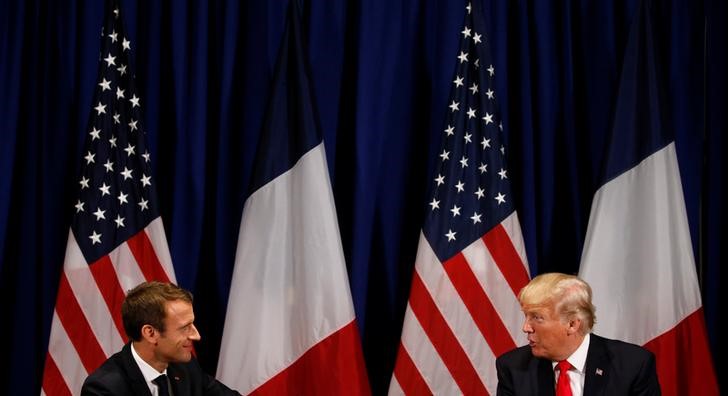
20% of global oil transits the Strait of Hormuz; a CMA CGM container vessel (Maltese-flagged Kribi) became the first Western-linked ship to transit the waterway since late February, a tentative sign of restarting commercial traffic. The transit followed reported coordination with Iranian maritime authorities amid weeks of Iranian drone/missile attacks on commercial shipping and a sharp drop in non-Iranian traffic. Rising US–France political tension and President Trump urging allies to secure the route underscore continued geopolitical risk that has already pushed oil and gas prices materially higher and threatens broader economic disruption.
Market prices are currently embedding a premium for transit risk and short-notice rerouting. Operationally, a stigma shift in perceived route safety removes a sizeable component of shipping cost (war-risk insurance + detour fuel/charter), which can compress spot freight rates by multiples in weeks; conversely, any re-escalation will re-energize those same premiums and produce sharp, near-term spikes in charter and tanker dayrates.
The immediate winners in a trending risk normalization are balance-sheet-strong, contract-heavy logistics integrators and recyclers of capital (incumbent container lines with long-term contracts, port operators, bunker suppliers and regional toll authorities), while spot-exposed owners — small container players, pure-play spot tanker and drybulk owners, and war-risk underwriters who have underpriced tail risk — are vulnerable to mean reversion. Defense and aerospace suppliers and Bermuda reinsurers are second-order beneficiaries of persistent insecurity, since budgets and premiums reprice over quarters rather than days.
Key catalysts and timeline: market moves will be dominated by three binary inputs — credible multinational security guarantees (30–90 days to change pricing), a diplomatic mediation path (weeks–months to lower risk premia), or a kinetic escalation/strike on critical infrastructure (hours–days to reprice violently). Modelled sensitivities suggest an easing of perceived passage risk could knock 5–12% off Brent in 30–90 days and cut container spot indices by 20–40% from premium levels; the reverse is true with a kinetic shock, where moves happen within 48 hours and persist for months.
AI-powered research, real-time alerts, and portfolio analytics for institutional investors.
Request DemoOverall Sentiment
mildly negative
Sentiment Score
-0.35
