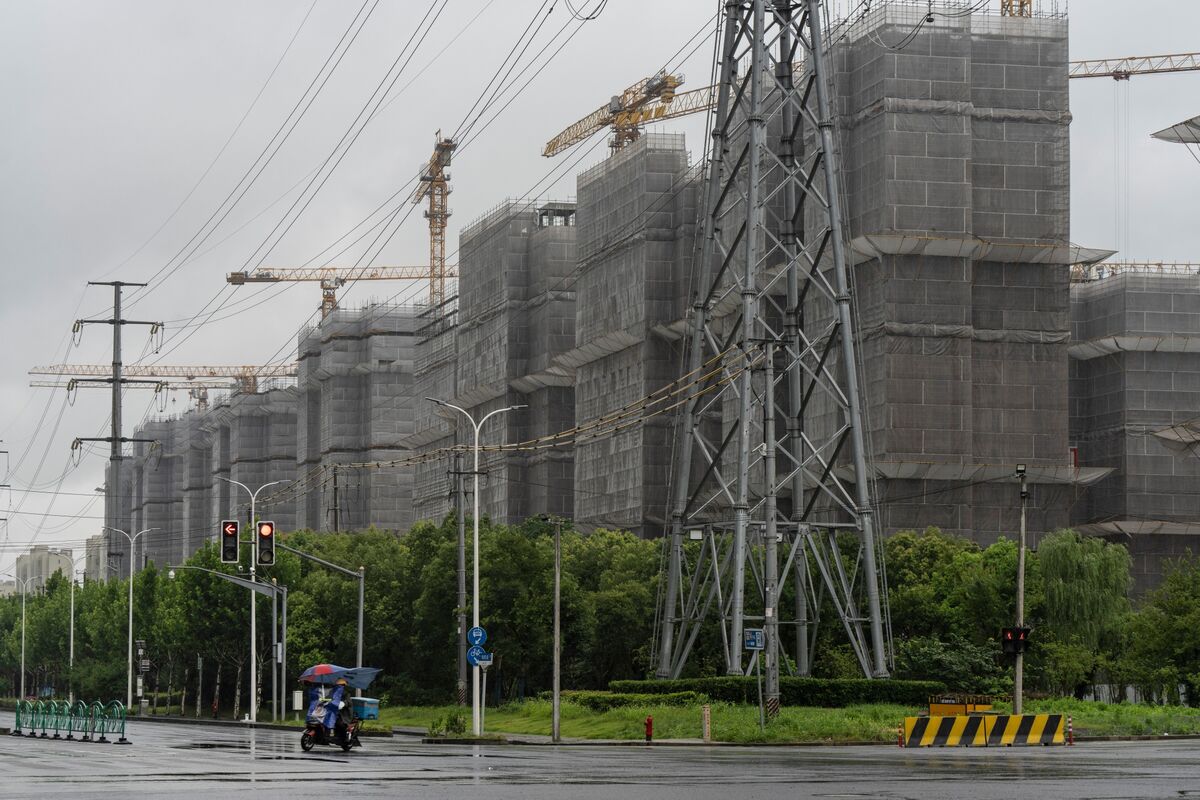
Hong Kong-based private equity firm Gaw Capital Partners is scrambling to extend a property-backed loan due Monday after last-minute weekend talks, as pressure mounts following a missed payment on a separate facility just over a week ago. The firm is seeking to roll or extend a $110 million borrowing, a development that underscores ongoing strains in China’s property sector and raises short-term credit and liquidity concerns for debt holders and private-market lenders exposed to Chinese real estate.
Market structure: Private-credit lenders, holders of short-dated offshore China property paper and distressed-debt opportunists are the immediate winners/losers — lenders face margin compression and forced reprices while distressed-asset buyers gain optionality if assets trade down 20–50%. Expect secondary bond supply to spike and liquidity to compress: offshore China high-yield spreads can widen 200–400bps in 1–3 months, increasing funding costs for developers and shifting pricing power toward secured lenders and creditor committees.
Risk assessment: Tail risks include a disorderly cascade of cross-defaults at mid-size developers, a targeted RMB move >3% weakening that forces FX hedges, or an HKSAR liquidity event; probability low-medium but impact systemic for Hong Kong credit lines. Immediate (days) risk is roll failure/liquidity squeeze; short-term (weeks–months) risk is covenant breaches and takeovers; long-term (quarters) is substantive credit losses and repricing of private-market credit allocations. Hidden dependencies: unmarked NAVs in PE funds, redemption terms and sponsor guarantees that can transmit stress to banks and GP liquidity.
Trade implications: Implement convex hedges: buy 3-month HSI put spreads (buy 5% OTM, sell 10% OTM) size 1–2% NAV to cap 5–15% downside; selectively short offshore developer equities via puts on 2007.HK (Country Garden) and 1918.HK (Sunac) at 1% each, funded by short-dated call sales. Rotate credit: cut EM/China property credit exposure by 3–5% and park proceeds in UST 2yr or SHY until spreads stabilize; increase cash allocation if offshore HY spreads widen >250bps.
Contrarian angles: The market may be overpricing permanent capital impairment — Chinese authorities historically provide episodic liquidity backstops within 30–90 days, which can compress spreads 100–300bps quickly and produce 20–40% rallies in beaten-down credits. That makes small, time-limited asymmetric longs attractive on deeply impaired senior bonds where recovery value >40% implied; conversely, aggressive shorting of large systemically connected developers risks forced restructurings that raise recovery rates and short squeezes. Key triggers to watch: PBoC/HKSAR liquidity injections >RMB100bn or offshore HY spread compression >150–200bps within 30 days.
AI-powered research, real-time alerts, and portfolio analytics for institutional investors.
Request DemoOverall Sentiment
moderately negative
Sentiment Score
-0.45
