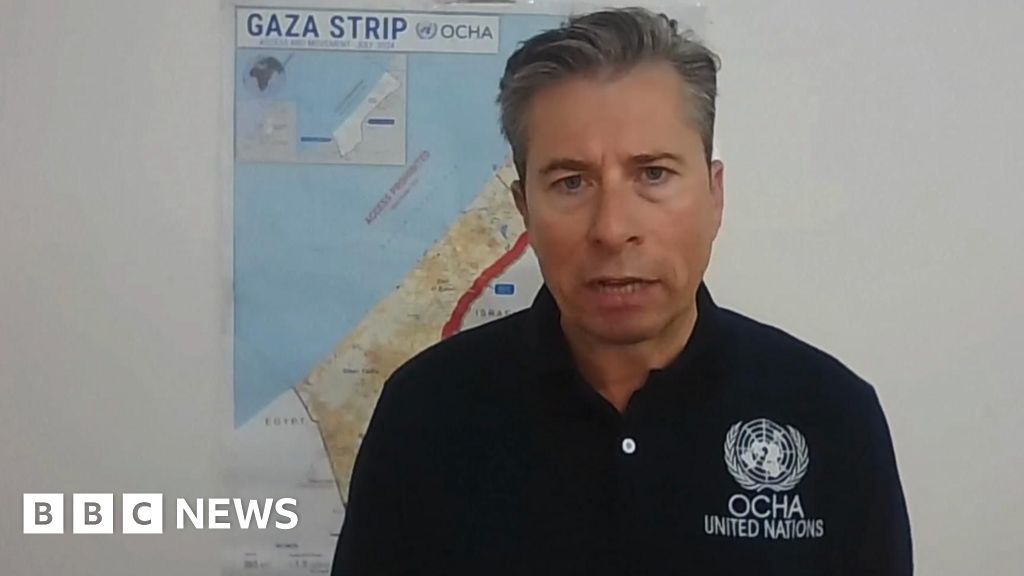
The UN aid chief, Tom Fletcher, reported that the starvation crisis in Gaza is showing signs of improvement, with hundreds of aid trucks now entering the territory daily following a ceasefire deal. Despite this increased flow, he highlighted the significant logistical challenges in distributing vital supplies and called for sustained international support to provide a million meals daily and restore the health sector.
The United Nations Office for the Coordination of Humanitarian Affairs (OCHA) reports a significant improvement in the Gaza humanitarian situation, with aid chief Tom Fletcher stating the "tide is turning on starvation." This positive development is attributed to a recent ceasefire deal, which has facilitated the entry of "hundreds of trucks a day" into the coastal enclave, increasing vital supply access.
Despite the increased aid flow, substantial logistical challenges remain in distributing supplies effectively to the population. Fletcher highlighted the "huge" undertaking involved and underscored the critical need for sustained international support to provide a "million meals a day" and fully restore the region's health sector.
This news primarily reflects a geopolitical and humanitarian development, with no direct market impact or specific corporate entities mentioned, as indicated by the neutral sentiment and zero market impact score. The absence of tickers in the entity extraction reinforces that this event does not immediately translate into financial implications for listed companies.
AI-powered research, real-time alerts, and portfolio analytics for institutional investors.
Request DemoOverall Sentiment
neutral
Sentiment Score
0.00
