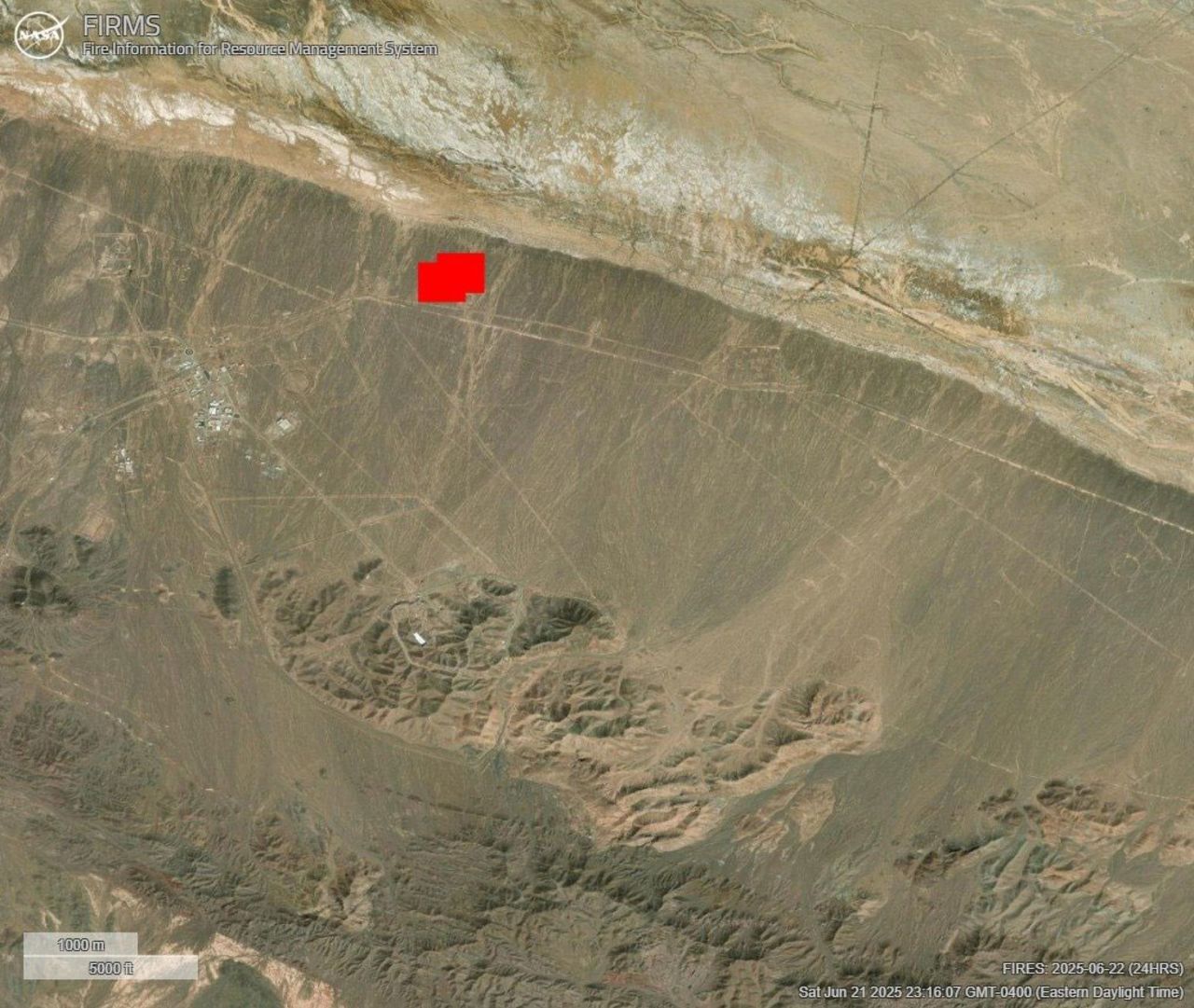
The U.S. conducted strikes on Iranian nuclear facilities, including Fordow, Natanz, and Isfahan, reportedly using B-2 bombers and a 30,000-pound bunker buster bomb. While U.S. President Trump claimed the sites were "totally obliterated," Iranian officials are downplaying the damage, though warning of "everlasting consequences" and requesting a UN Security Council meeting. The strikes follow escalating Israel-Iran conflict, with Iran launching missiles toward Israel after the U.S. action.
The U.S. has significantly escalated geopolitical tensions in the Middle East by conducting military strikes on key Iranian nuclear facilities, including Fordow and Natanz. The reported use of B-2 bombers and the first operational deployment of a 30,000-pound “bunker buster” bomb underscore the severity of the attack. While U.S. President Trump claims the sites were “totally obliterated,” Iranian officials have publicly downplayed the impact, creating informational uncertainty, though they have simultaneously warned of “everlasting consequences.” This action occurs within the volatile context of an ongoing Israel-Iran conflict, which immediately intensified with Iran launching a fresh wave of missiles towards Israel post-U.S. strike. The situation remains highly fluid, with a formal response from Iran's Supreme Leader still pending, a factor that will be critical in determining the trajectory of the conflict. The market's interpretation, reflected by a strongly negative sentiment score (-0.75) and a high impact rating (0.8), correctly prices in a substantial increase in systemic risk.
AI-powered research, real-time alerts, and portfolio analytics for institutional investors.
Request DemoOverall Sentiment
strongly negative
Sentiment Score
-0.75
