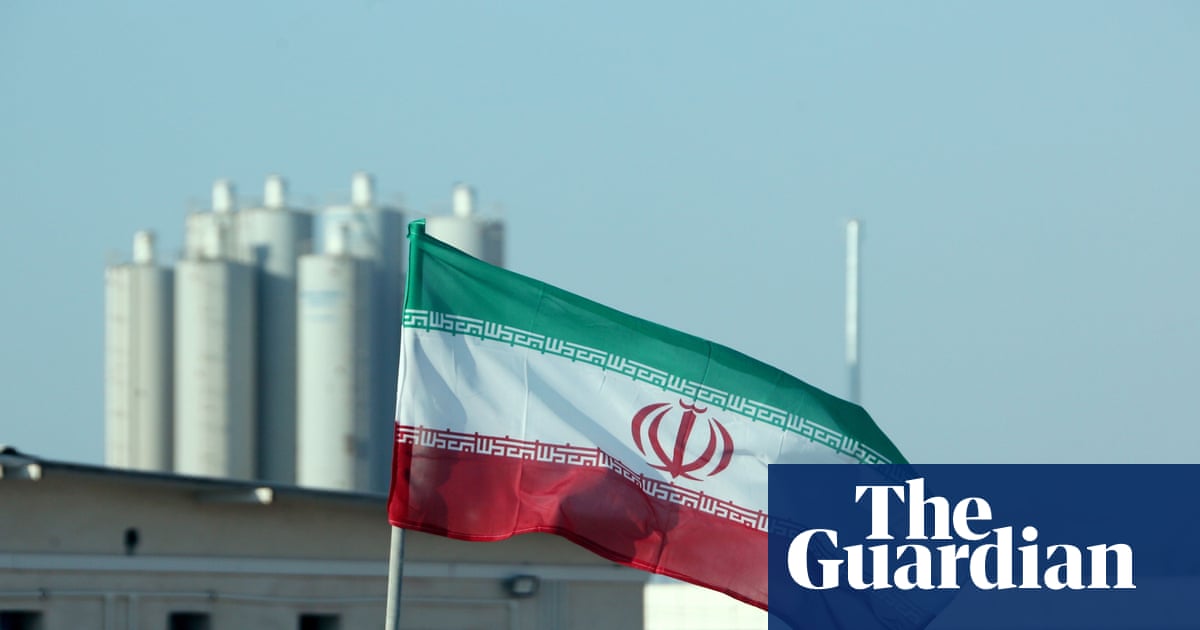
Iran has formally declared the termination of the 2015 nuclear deal (JCPOA), ending all restrictions on its nuclear program, a move formalized by the recent triggering of "snapback" UN sanctions by European powers following years of the agreement's disarray since the 2018 U.S. withdrawal. This development escalates geopolitical risk in the Middle East and signals continued uncertainty for global energy markets, as Western nations seek new diplomatic solutions to prevent Iranian nuclear proliferation amid ongoing U.S. sanctions on Iranian oil.
Iran has formally terminated the 2015 Joint Comprehensive Plan of Action (JCPOA), ending all restrictions on its nuclear program, a move solidified by the recent triggering of "snapback" UN sanctions. This official termination follows years of the agreement's disarray, notably since the 2018 U.S. withdrawal and reinstatement of sanctions. The complete collapse of the accord marks a critical shift in international nuclear diplomacy.
This development significantly escalates geopolitical risks in the Middle East, despite Iran's stated commitment to diplomacy. Failed European-led talks and recent military actions, including bombing raids by Israel and the US, underscore a deep diplomatic impasse. Western nations are now actively seeking a "new diplomatic solution" or a "comprehensive, durable and verifiable agreement" to manage proliferation risks.
The ongoing U.S. sanctions, particularly those targeting Iranian oil, combined with the JCPOA's termination, signal continued uncertainty for global energy markets. Iran's refusal to cooperate with the IAEA and its top diplomat's stance against negotiating with European powers suggest a prolonged period of strained relations. This situation reinforces a pessimistic outlook on regional stability and its broader economic implications.
AI-powered research, real-time alerts, and portfolio analytics for institutional investors.
Overall Sentiment
strongly negative
Sentiment Score
-0.75
