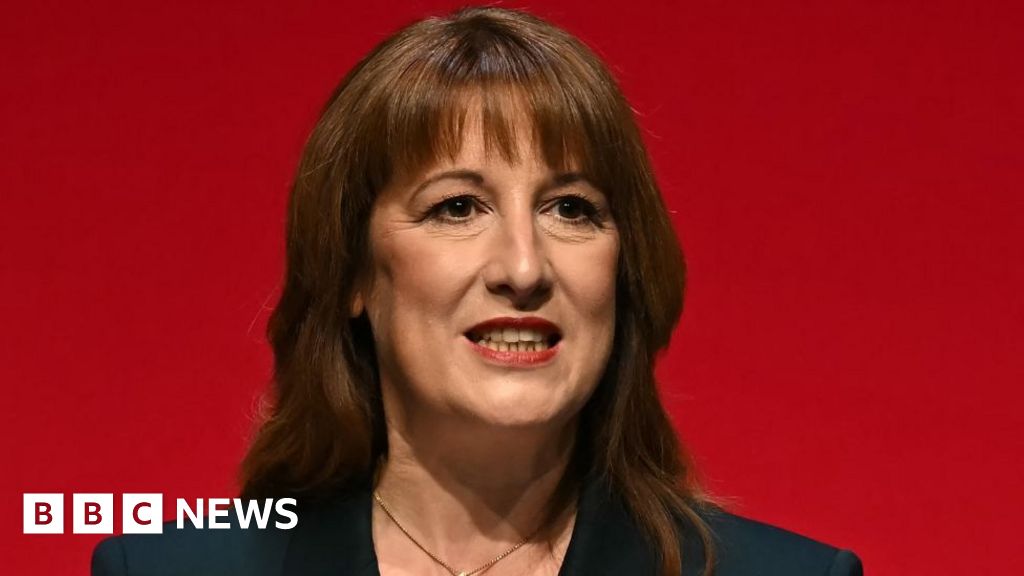
Senior Scottish and opposition politicians have accused UK Chancellor Rachel Reeves of misleading the public and financial markets by implying the public finances were worse than indicated by the Office for Budget Responsibility, which reportedly told her in mid-September that finances were stronger due to higher wage forecasts. Calls for her resignation and ethics investigations have intensified ahead of the recent Budget and suggested tax rises, while the prime minister defends her conduct; the episode raises reputational and transparency risks for UK fiscal policy and could heighten short-term market sensitivity around gilts and sterling if political pressure persists.
Market structure: A loss of fiscal credibility raises UK sovereign risk premia — immediate winners are financials (benefit from a steeper curve) and USD/FX hedgers; losers are long-duration, highly-levered domestic assets (utilities, real-estate, some consumer discretionary). Expect UK 10y gilt yields to trade ↑10–40bp on credible headlines over the next 2–6 weeks, GBP down 1–3% vs major currencies, and gilts/CDS spreads to widen before stabilising.
Risk assessment: Tail risks include a resignation or sustained political crisis that pushes 10y gilt yields +50–100bp and forces BoE intervention; low probability but high impact over 1–3 months. Hidden dependencies: BoE reaction function (could step in if market dysfunction), upcoming OBR/ethics report dates (30–60 days) and macro prints (inflation, wages) that will reprice fiscal space. Catalysts that will accelerate moves are a formal ethics referral, any OBR revision of forecasts, or coordinated party-line attacks/releases.
Trade implications: Short-duration sovereign exposure and FX puts are primary immediate plays; buy bank exposure vs defensive utilities on a 1–3 month horizon as yield shock favors NIM (net interest margins). Use options to cap downside: prefer 3-month 2–3% OTM GBP puts and 1–3 month short gilt futures with defined size to profit from a 15–40bp upward yield move. Set clear stop-losses tied to yield retracements (e.g., close half if 10y gilt < +15bp).
Contrarian angles: Markets often overshoot on political noise — if OBR/ethics clearing occurs within 30–60 days, yields and GBP can snap back 10–25bp/1–2% respectively, creating mean-reversion opportunities to buy long-duration gilts and domestic cyclicals. Historical parallel: the 2022/23 UK policy credibility episodes showed sharp overshoots and reversals after policy clarifications; downside risk to short-gilt positions is BOE backstop, so size positions defensively and prefer options to naked futures.
AI-powered research, real-time alerts, and portfolio analytics for institutional investors.
Request DemoOverall Sentiment
moderately negative
Sentiment Score
-0.45
