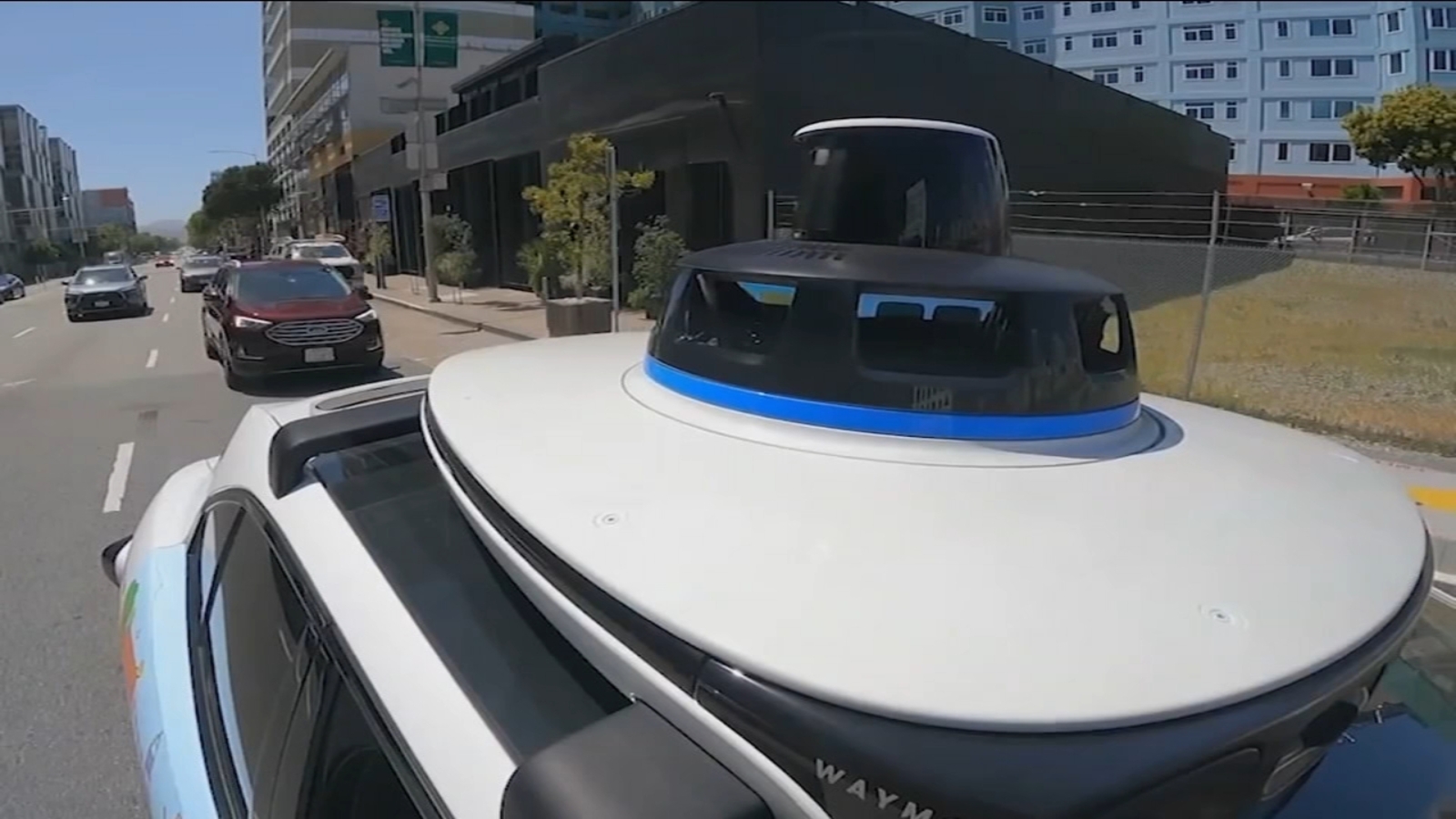
Senators pressed Tesla and Waymo executives over recent software failures, crash incidents and transparency gaps at a congressional hearing as lawmakers weigh federal safety standards for autonomous vehicles. Company representatives defended AV safety—Waymo cited lower serious-injury collision rates in operating cities and said software changes were made after a Santa Monica incident—while lawmakers signaled bipartisan support for new national oversight that could materially raise regulatory risk for deployers.
Market Structure: Short-term winners are AV infrastructure and safety-sensor vendors (e.g., LiDAR, driver-monitoring systems) and large diversified firms able to absorb compliance costs; losers are marketing-led autopilot purveyors and niche AV startups without deep pockets. A federal framework will raise barriers to entry and likely consolidate market share toward Alphabet/Waymo, legacy OEMs, and Tier-1 suppliers; expect margin tailwinds for suppliers if retrofit demand rises 20–40% over 12–36 months. Cross-asset: anticipate higher equity volatility for TSLA (IV spike 20–40% vs. pre-hearing baseline), modest widening of Tesla credit spreads, and a mild USD strength on risk-off days; commodity demand for sensors (rare earths) could tick +5–10% regionally if hardware mandates appear.
Risk Assessment: Tail risks include a federal ban on certain “Autopilot” marketing or state-level sales restrictions (CA precedent) that could reduce Tesla US deliveries by 5–15% over 3–6 months and trigger multi-billion legal exposure. Immediate (days) risk = headline-driven 5–12% TSLA swings; short-term (weeks–months) = legislative momentum and NHTSA/CA DMV actions; long-term (years) = structural reallocation to safety-first architectures raising R&D capex for incumbents. Hidden dependencies: insurance liability shifts, municipal permitting, and data/privacy rules that could add recurring costs equivalent to mid-single-digit % of revenue for AV fleets.
Trade Implications: Tactical defensive posture: reduce concentrated TSLA beta and buy asymmetrical downside protection; favor suppliers and Alphabet/GOOGL exposure for Waymo optionality. Use 3–9 month options to express views: buy 3–6 month TSLA puts (15–25% OTM) sized to hedge 50–70% of current exposure; initiate 1–3% portfolio longs in LAZR/APTV with 6–12 month horizon to capture mandated-hardware upside. Sector rotate 3–12% from pure EV retail names into auto-software and sensor suppliers over next 1–3 months.
Contrarian Angles: Consensus overstresses near-term headline risk to Tesla sales; absent explicit equipment mandates, consumer demand and energy-business tailwinds limit long-term downside. Historical parallel: aviation regulatory shocks (737 MAX) created multi-quarter drawdowns but consolidated winners; similar pattern could lift well-capitalized AV leaders (GOOGL, APTV) by 20–50% over 12–36 months if regulation favors certified stacks. Watch for overbaked implied vol spikes—opportunities to sell premium after initial knee-jerk moves if no hard regulatory action within 60–90 days.
AI-powered research, real-time alerts, and portfolio analytics for institutional investors.
Request DemoOverall Sentiment
moderately negative
Sentiment Score
-0.35
Ticker Sentiment
