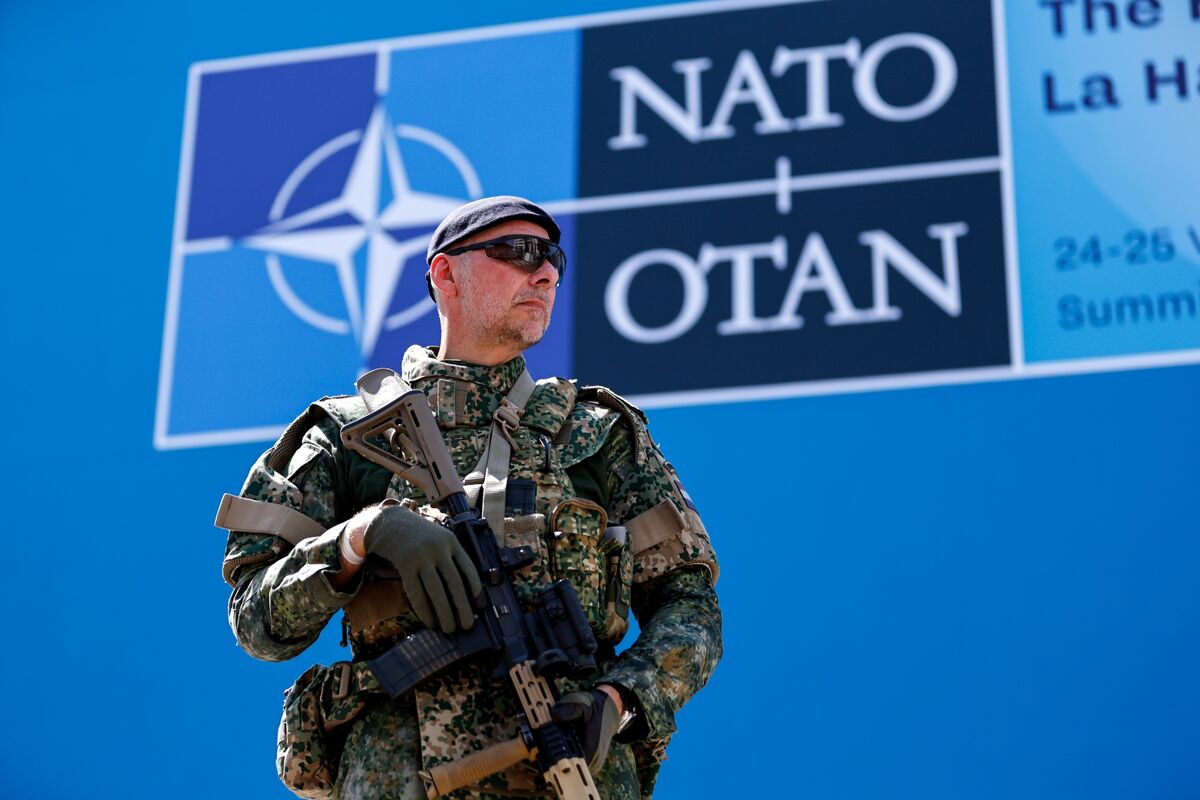
NATO leaders have agreed to significantly raise defense spending targets to 5% of gross domestic product, a decision reached in The Hague. This move reinforces the alliance's mutual security commitment, addresses long-standing US concerns over burden-sharing, and secures continued US engagement in collective defense, signifying a material increase in member nation defense outlays.
NATO members have formally agreed to a significant fiscal policy shift, committing to increase defense spending to a new target of 5% of gross domestic product. This decision, emerging from a summit in The Hague, represents a material escalation in defense outlays and addresses long-standing pressure from the United States regarding burden-sharing within the alliance. The agreement secures a renewed U.S. commitment to collective defense, which is framed as strengthening the bloc's mutual security. This development signals a substantial, long-term reallocation of national budgets across member states, creating a powerful tailwind for the defense sector and reflecting a heightened geopolitical risk environment that necessitates such elevated military investment.
AI-powered research, real-time alerts, and portfolio analytics for institutional investors.
Request DemoOverall Sentiment
moderately positive
Sentiment Score
0.45
