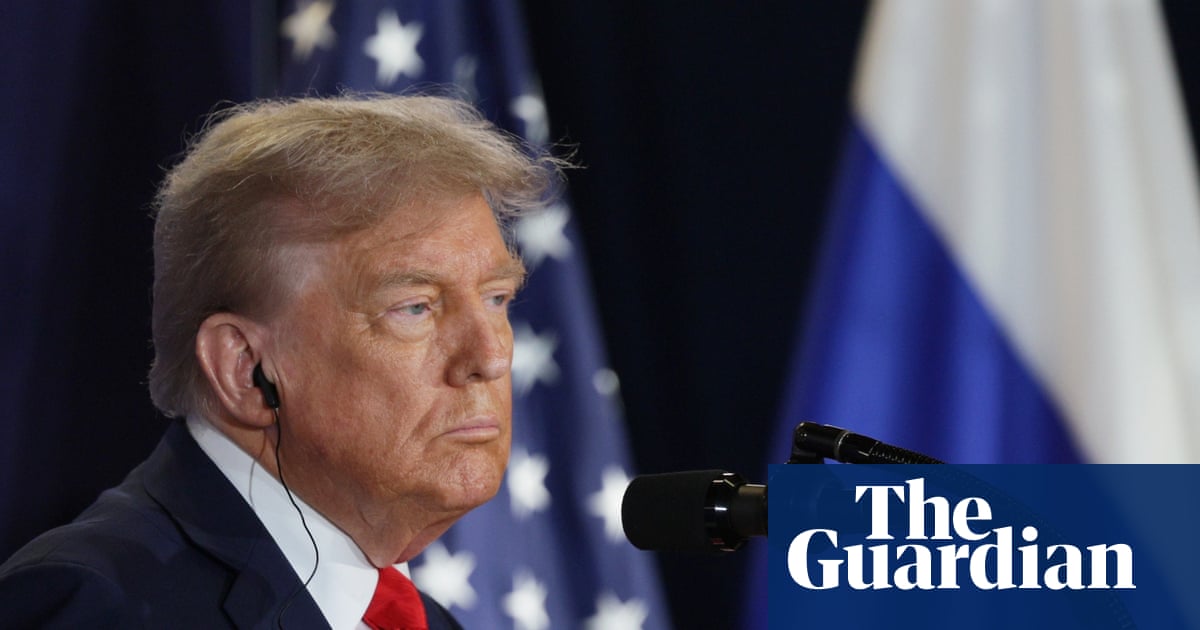
Donald Trump is reportedly prepared to back a peace deal for Ukraine that would involve ceding the mineral-rich Donbas region to Russia in exchange for a frozen frontline, a significant departure from current allied policy. This potential shift, revealed from post-summit discussions, creates considerable geopolitical uncertainty as European leaders, while welcoming peace efforts, emphasize Ukraine's territorial sovereignty and fear a direct peace agreement could disadvantage Kyiv. The proposal carries implications for regional stability, resource markets, and defense sector outlooks, highlighting a potential redefinition of the conflict's resolution and its economic consequences.
A potential major shift in U.S. policy towards the Russia-Ukraine conflict introduces significant geopolitical and market uncertainty, as indicated by a high market impact score of 0.8. According to reports, former President Trump is backing a peace plan that involves Ukraine ceding the mineral-rich Donbas region, containing substantial coal and iron ore reserves, to Russia in exchange for a frozen frontline. This proposal represents a material divergence from the stated position of Ukraine and key European allies, who have publicly asserted that Ukraine must determine its own territorial future and that borders should not be changed by force. While the initiative is framed as an effort to end the conflict, the proposed direct-to-peace approach, bypassing a preliminary ceasefire, is viewed with apprehension by European leaders who fear it may give Moscow a tactical advantage. The situation is further complicated by Trump's threat of economic penalties against purchasers of Russian oil should Moscow reject the deal, adding a layer of potential volatility to energy markets. The conflicting stances between the U.S. proposal and the European Union's joint statement create a tense diplomatic backdrop for the upcoming meetings between President Zelenskyy, President Trump, and European leaders, with the outcome poised to impact defense, commodity, and energy sector outlooks.
AI-powered research, real-time alerts, and portfolio analytics for institutional investors.
Request DemoOverall Sentiment
moderately negative
Sentiment Score
-0.50
Ticker Sentiment
