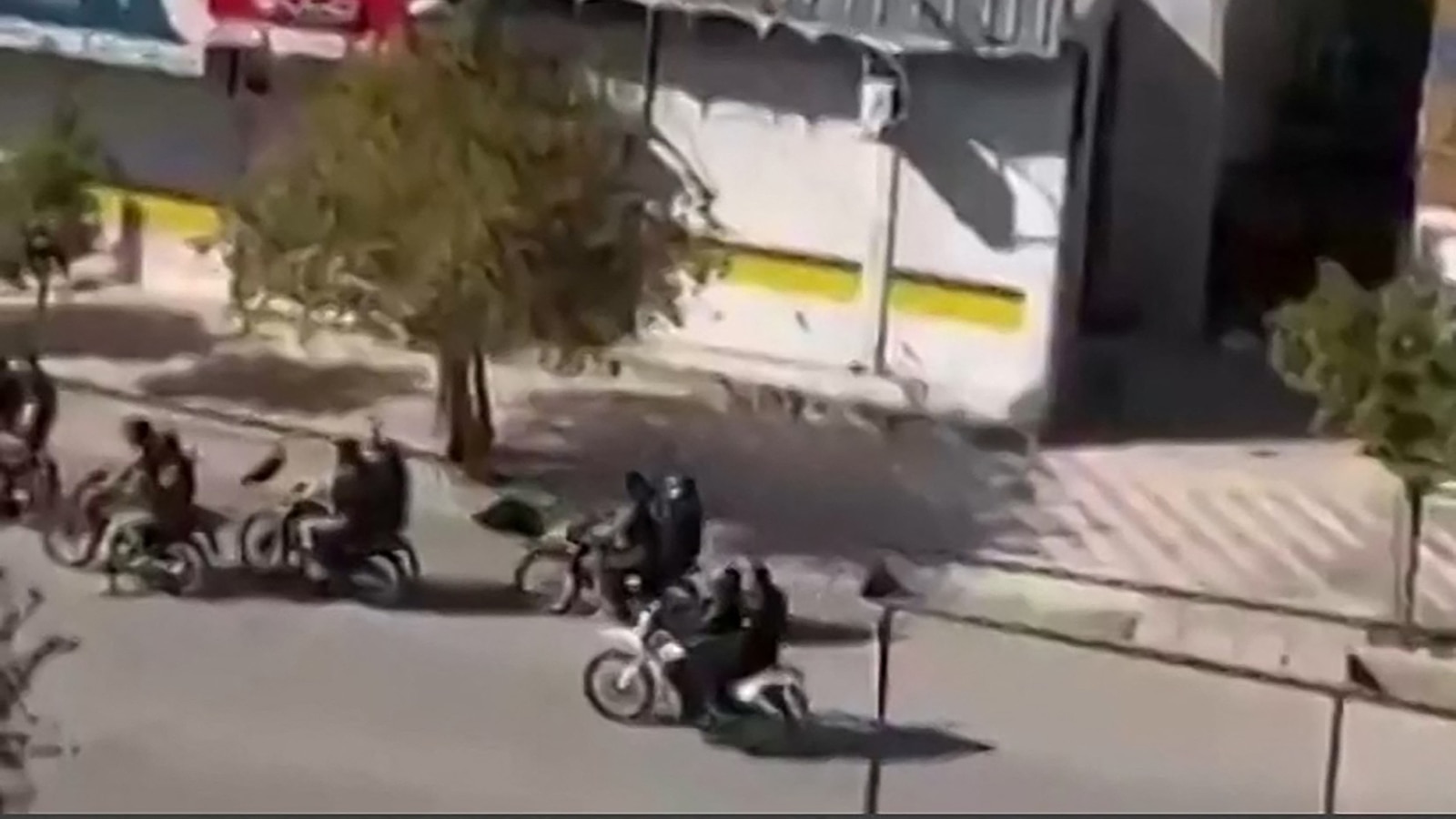
President Trump announced an immediate 25% tariff on any country doing business with Iran, signalling a major escalation in U.S. trade pressure and the prospect of secondary economic sanctions that could disrupt trade flows. The move coincides with intensifying unrest in Iran — activist groups report at least 648 dead, thousands injured, more than 10,600 arrests and a national internet blackout exceeding 84 hours — while U.S. officials keep military options on the table, raising acute geopolitical risk for regional markets, emerging‑market currencies and trade-sensitive sectors.
Market structure: A unilateral 25% tariff on any country doing business with Iran functions like aggressive secondary sanctions and will immediately reprice geopolitical risk premia. Short-term winners: US defense contractors (LMT, RTX, GD) and US oil majors (XOM, CVX) via higher risk-premium on oil; losers: EM exporters, shipping/insurance providers, European exporters to the US and companies with Iran trade links. Across assets expect USD and gold up, USTs bid (yields down), EM spreads to widen ~50–200bp, and oil to spike +$5–$15/bbl on initial shock and Strait of Hormuz risk.
Risk assessment: Tail scenarios include (A) Iranian asymmetric retaliation (shipping/energy infrastructure) causing a sustained oil shock >$25/bbl and global growth hit; (B) legal/institutional pushback (EU/China) fragmenting trade and triggering multilateral retaliation; (C) de facto enforcement failures leading to market calm. Time horizons: immediate (0–14 days) risk-off; short-term (1–3 months) commodity/EM stress; long-term (6–24 months) potential supply-chain re‑routing and higher defense capex. Hidden dependencies include insurance market withdrawal, SWIFT/payment rail adaptations, and corporate contract clauses that blunt tariff pass-through.
Trade implications: Tactical allocation: buy protection and optionality rather than naked directional exposure. Prefer 1–3% positions in GLD or GDX miners as inflation/geopolitical hedge; 2–4% long in XOM/CVX with 3-month Brent call spreads (strike structure: buy 3m 1.5x notional calls, sell nearer-term calls to fund). Long defense ETF ITA or LMT/RTX 1–2% positions; short EEM or buy EMB protection (target +100–200bp spread widening) as a hedge to commodity plays. Use options: 3-month WTI call spreads and VIX calls for tail protection.
Contrarian angles: Markets may overstate tariff enforceability — legal/international pushback and practical circumvention (third-country intermediaries) could limit real economic impact, making oil upside transient. If diplomatic back-channeling or WTO challenges surface within 30–90 days, expect rapid reversal; therefore scale-in (50% initial, 50% on escalation or oil >+10%) and size positions so a de-escalation of 20% from peak cuts portfolio exposure by half.
AI-powered research, real-time alerts, and portfolio analytics for institutional investors.
Request DemoOverall Sentiment
strongly negative
Sentiment Score
-0.65
