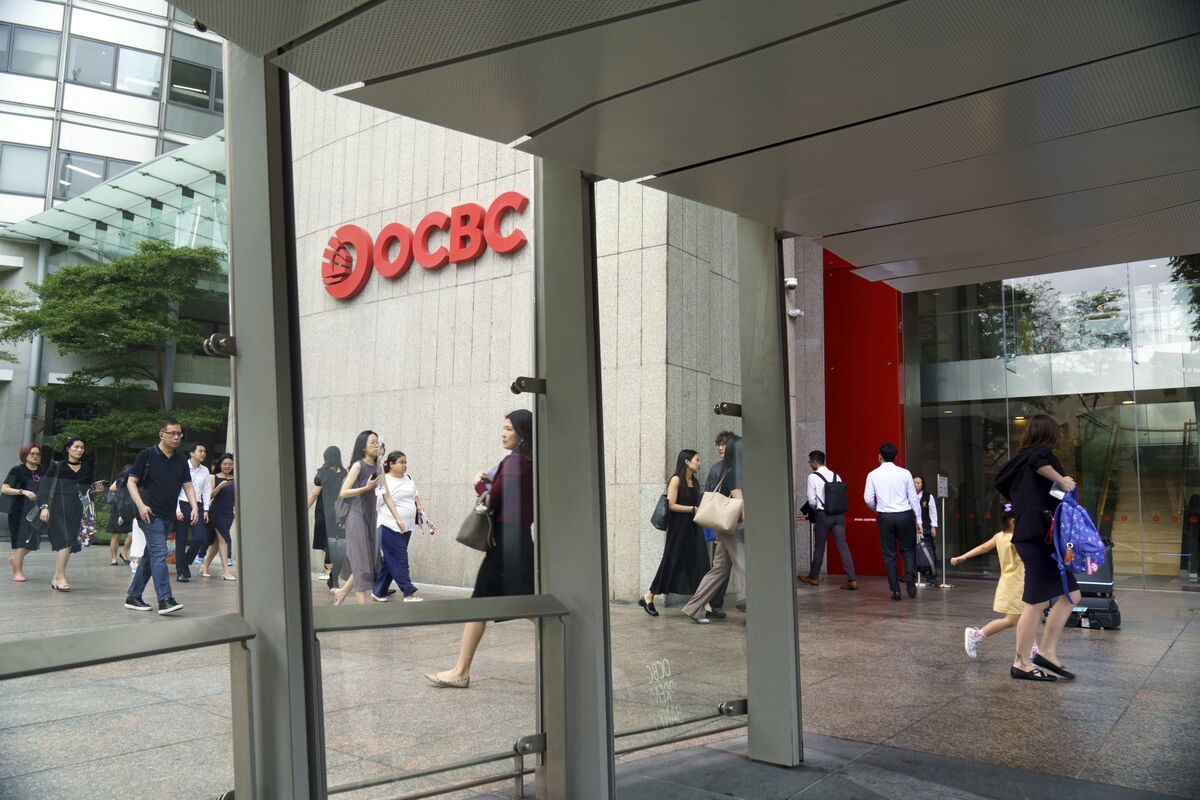
OCBC will acquire HSBC Holdings’ retail and wealth assets in Indonesia, expanding its presence in the neighboring market. The deal value was not disclosed, but OCBC said it will be based on the net asset value of HSBC Indonesia’s International Wealth and Premier Banking operations plus a premium of up to S$0.48 billion ($376 million). The transaction is strategically positive for OCBC, though the immediate market impact is likely limited.
This is less about a single asset sale and more about OCBC buying an embedded distribution moat in a market where branch-led affluent banking still has pricing power. The second-order winner is OCBC’s deposit franchise: retail/wealth clients typically carry lower-beta balances, cross-sell higher-margin products, and reduce funding costs over a multi-year horizon. For HSBC, the balance-sheet impact is modest, but the strategic signal matters — it continues the clean-up of smaller consumer footprints, which can improve capital efficiency while leaving the company more exposed to wholesale and transaction banking outcomes.
The main competitive loser is not HSBC alone but the broader set of regional banks that rely on affluent Southeast Asian flows without OCBC’s Singaporean funding base. If OCBC integrates well, it can leverage a lower cost of funds and stronger regional brand trust to take share from local incumbents in Indonesia’s wealth corridor; that should pressure fee pricing across private banking, insurance wrappers, and managed products over the next 12-24 months. The real operating risk is execution: customer churn after ownership transfer, relationship-manager attrition, and regulatory friction on repatriating/booking assets could reduce the expected return on acquired assets and delay EPS accretion.
Consensus will likely over-focus on headline premium and underweight mix shift. The premium is small enough that the market may treat this as a “bolt-on” deal, but the hidden optionality is that acquired affluent relationships can scale disproportionately if OCBC cross-sells treasury, cards, and structured products; upside is a 1-2 year fee-income uplift, not immediate earnings. The contrarian risk is that Indonesia’s wealth cohort is more rate-sensitive and politically exposed than Singapore’s, so any macro wobble or FX weakness could cause AUM leakage just as integration costs peak.
For HSBC, the mild negative read-through is that it keeps pruning higher-touch consumer assets while retaining less compensated emerging-markets complexity elsewhere; that can help capital metrics but may reduce optionality if regional growth reaccelerates. For the rest of the Asian bank space, this is a reminder that scale and funding cost matter more than headline growth in EM retail — the winners will be banks that can monetize sticky balances without overpaying for acquisition.
AI-powered research, real-time alerts, and portfolio analytics for institutional investors.
Request DemoOverall Sentiment
mildly positive
Sentiment Score
0.35
Ticker Sentiment
