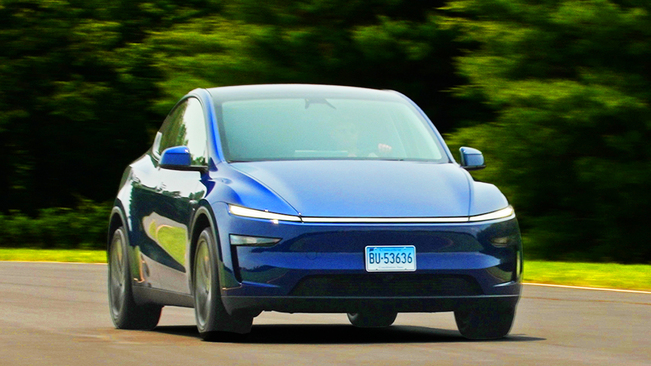
Consumer Reports’ 2026 Annual Top Picks highlights 10 vehicles across segments that achieved exceptional overall scores, reinforcing demand for efficient hybrids and EVs while underscoring strong product perceptions for legacy OEMs. Notable metrics: the Honda Civic Hybrid (200 hp, 0–60 mph in 7.5s, 44 mpg), Toyota Camry hybrid (48 mpg overall), Subaru Crosstrek (29 mpg gas; hybrid ~36 mpg), Forester hybrid (+5 mpg vs. gas), Grand Highlander hybrid (245 hp, 35 mpg), Lexus NX AWD (38 mpg) and NX PHEV (37-mile EV range, 304 combined hp), BMW X5 PHEV (39-mile EV range, gas X5 23 mpg), Ford Maverick hybrid (37 mpg), Ford F-150 (base 325 hp; 3.5L hybrid 430 hp/570 lb-ft), and the refreshed Tesla Model Y with improved reliability and cabin upgrades. The report is broadly positive for brand reputations and consumer demand signals, but it is unlikely to be a material, near-term market mover for auto equities on its own.
Market structure: Winners are legacy OEMs that can monetize hybrids and trucks (Ford F, Toyota-family brands, Subaru) because hybrids retain ICE supply-chain leverage and margins; losers are pure-play battery/commodity plays as hybrid adoption blunts near-term battery demand growth. Pricing power will favor truck/pickup segments (strong F-150/Maverick economics) and luxury hybrids (Lexus/BMW) where customers accept premiums; expect OEM used-vehicle values and lower warranty costs to modestly tighten auto ABS spreads (10–30 bps) over 6–12 months.
Risk assessment: Tail risks include a large recall or battery-safety incident for an OEM, sudden regulatory tightening of EV tax-credit rules, or a sharp macro slowdown that cuts vehicle demand by >10% YoY. Immediate (days) drivers: dealer incentives and inventory prints; short-term (weeks–months): Q1 deliveries and ABS credit metrics; long-term (quarters–years): EV adoption curves and commodity supply ramps. Hidden dependencies: concentrated hybrid hardware sourcing (Toyota-sourced electrics for Subaru), semiconductor access, and dealer financing terms that can flip margins quickly.
Trade implications: Tactical opportunity is re-allocating from battery-commodity exposure into scaled OEM hybrids/trucks—expect 12–24 month alpha potential if hybrids slow pure-EV growth by 3–5% share points vs consensus. Volatility trades: express measured bullishness on TSLA via defined-risk 3–6 month call spreads (15–25% OTM) to avoid IV crush; harvest income on defensive Ford exposure via short-term covered calls if implied vol > forward realized by 20%+. Monitor oil/lithium prices: a sustained 20% drop in lithium prices would backstop further rotation into ICE/hybrid names.
Contrarian angles: Consensus overweights pure EV upside; the article signals structural resilience of hybrids—this suggests a mispricing in battery-metal equities and some EV supply-chain valuations. Historical parallel: 2010–15 hybrid resurgence after fuel-price volatility led to multi-year demand shifts that favored OEMs with scale; if hybrids slow EV penetration even 2–4 years, expect a re-rating of miners and select high-P/E EV suppliers. Unintended consequence: improved EV/new-vehicle reliability can lift used-EV prices and depress new-EV demand, compressing sales growth for high-ASP EV makers.
AI-powered research, real-time alerts, and portfolio analytics for institutional investors.
Request DemoOverall Sentiment
moderately positive
Sentiment Score
0.40
Ticker Sentiment
