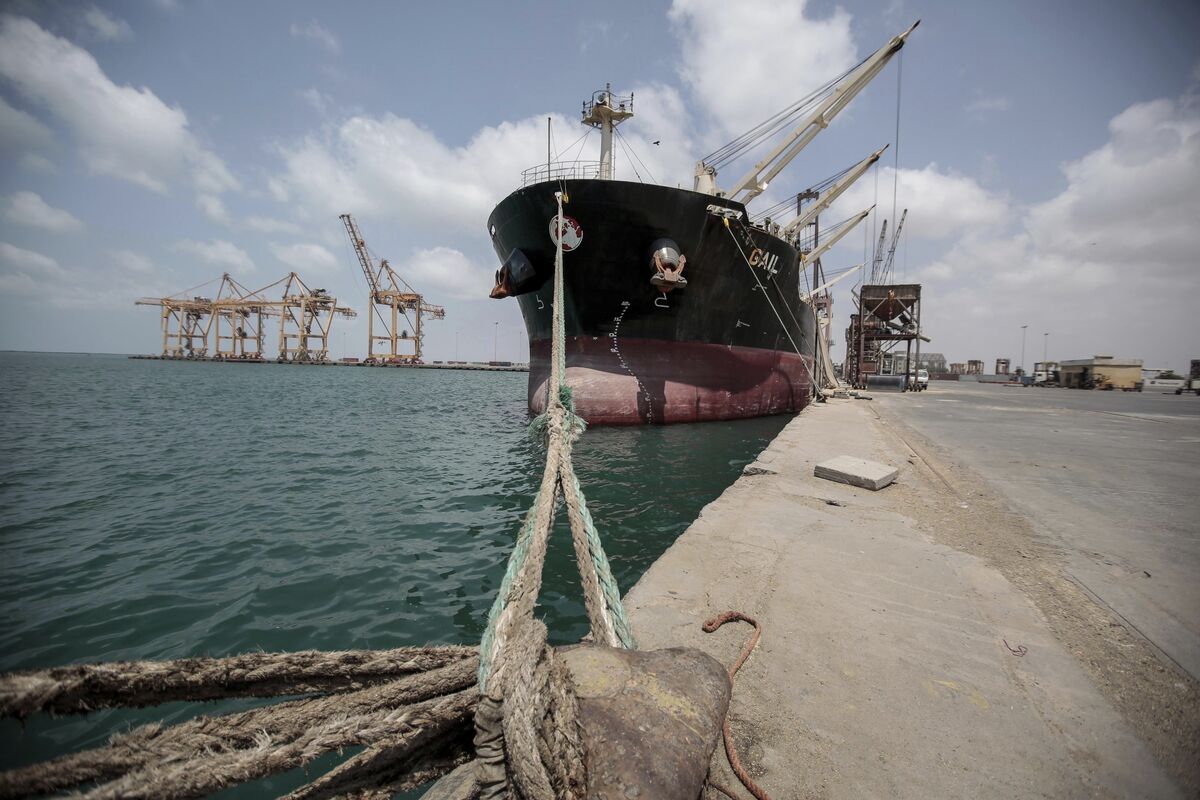
Israel conducted retaliatory strikes on Houthi targets in Yemen's Hodeida port on Monday, following recent missile volleys from the Iranian-backed group. Defense Minister Israel Katz confirmed the objective was to prevent the Houthis from restoring damaged infrastructure, specifically targeting port reconstruction vehicles, fuel storage, and naval vessels. This escalation underscores heightened regional tensions and poses potential implications for maritime security in critical Red Sea shipping lanes.
Israel has escalated its military engagement by conducting retaliatory strikes on Houthi targets within Yemen's Hodeida port. The stated objective, articulated by Defense Minister Israel Katz, is to preemptively disrupt the restoration of damaged infrastructure, specifically targeting vehicles, fuel storage, and naval assets. This direct action in a key Red Sea port signifies a tactical shift from pure retaliation to degrading the Iranian-backed group's logistical and operational capabilities. The event's classification under "Geopolitics & War" and its moderately high market impact score of 0.6 underscore the market's sensitivity to this development. The targeting of port infrastructure directly threatens maritime security in a critical global chokepoint, implying significant risk for supply chains and international trade flows.
AI-powered research, real-time alerts, and portfolio analytics for institutional investors.
Request DemoOverall Sentiment
moderately negative
Sentiment Score
-0.50
