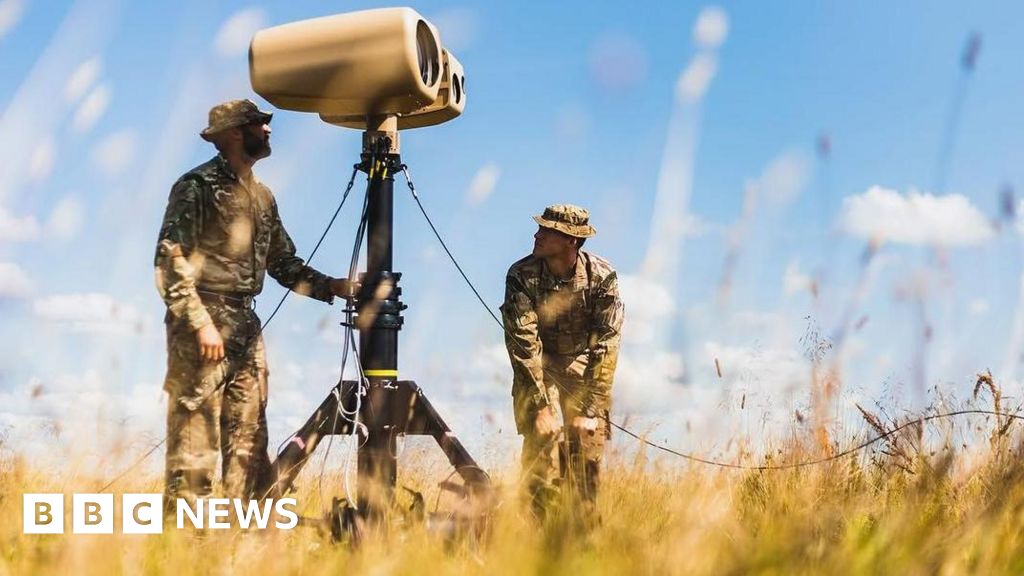
The UK is deploying military support to Belgium following suspected Russian drone incursions that temporarily closed Brussels Airport, causing significant operational disruptions and costs for airlines like Brussels Airlines. This incident, part of a broader pattern across NATO nations, underscores escalating geopolitical tensions and the growing threat of hybrid warfare in Europe, prompting increased defence spending commitments from allies like the UK, which aims for 2.5% of GDP by 2027. The events highlight heightened operational risks for critical infrastructure and potential market volatility, with some officials linking the incursions to EU discussions on utilizing frozen Russian assets to support Ukraine.
The UK is deploying military support to Belgium following suspected Russian drone incursions, which led to the temporary closure of Brussels Airport and affected approximately 3,000 Brussels Airlines passengers, incurring "considerable costs" for the carrier. These incidents are part of a broader pattern of drone activity observed across multiple NATO nations, including Sweden, Norway, Denmark, and Germany, signaling escalating geopolitical tensions. While Russia denies involvement, UK and German officials deem Moscow's culpability "plausible" or suspected.
This series of events underscores the increasing threat of "hybrid warfare," characterized by a mix of military and non-military tactics designed to disrupt critical infrastructure, as highlighted by Defence Secretary John Healey. Sir Richard Knighton, UK Chief of Defence Staff, identifies Russia as Europe's "most pressing threat," linking these incursions to Moscow's broader aggressive posture following the invasion of Ukraine. Some officials also suggest a potential link between these incidents and EU discussions regarding the use of €140bn in frozen Russian assets to support Ukraine.
In response to this heightened threat environment, the UK has committed to increasing defence spending to 2.5% of GDP by April 2027, with an ambition to reach 3% in the next parliament, a level Sir Richard describes as unprecedented in his career. Germany is also providing anti-drone support to Belgium, reflecting a collective NATO response to bolster airspace protection. This strategic shift towards increased defence outlays and enhanced security cooperation is a direct consequence of the evolving threat landscape.
AI-powered research, real-time alerts, and portfolio analytics for institutional investors.
Request DemoOverall Sentiment
strongly negative
Sentiment Score
-0.60
