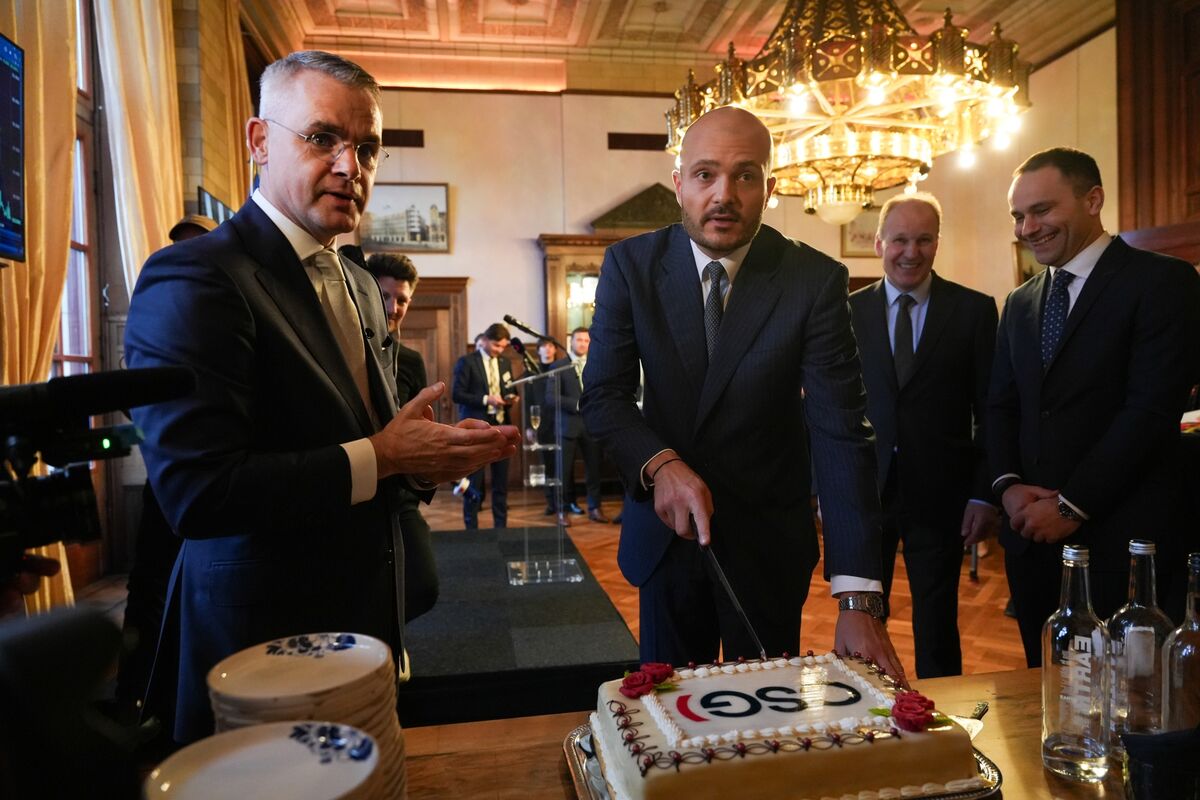
Europe posted its strongest quarter in four years for equity capital markets (ECM) transactions excluding rights issues, driven by multiple multibillion-dollar deals, according to Bloomberg. Despite elevated volatility and messy markets, investor appetite held up and bankers were able to execute offerings, supporting investment-banking fee pools and near-term equity issuance momentum.
Primary markets reopening in Europe is creating an earnings tailwind that is concentrated at a handful of lead managers and infrastructure providers rather than broad-based bank P&Ls; fee pools will be unevenly distributed and trading desks will see higher flow volatility as block placements and stabilization trades increase. Expect increased demand for borrowing and margin from hedge funds participating in pre-IPO and follow-on allocations, which should lift prime-broker revenues and secured funding spreads for banks that dominate that business within 1–3 quarters.
Derivatives desks will be key beneficiaries — issuance and aftermarket stabilization make dealers natural sellers of call and skew, compressing implied vol and generating carry; that carry can reverse violently when a headline or macro shock widens skew, so liquidity providers will price larger convexity buffers into quotes. Over 3–12 months, we should see divergence between franchise strength (lead managers, exchanges, prime brokers) and regional banks with thin ECM pipelines; the former can compound returns via higher fee payout and stable flow-driven trading income while the latter risk margin compression as secondary offers dilute capital ratios.
Tail risks that would reverse the tide are clear: a sudden tightening in liquidity (e.g., ECB surprise tightening, US rates shock) or a headline earnings shock that re-prices risk premia would make buyers step back and force issuers to pull or reprice deals within days. Monitor short interest and borrow rates in upcoming deal candidates as an early warning — a rapid rise in special borrow or option-implied skew is a 48–72 hour signal that aftermarket pain is building.
AI-powered research, real-time alerts, and portfolio analytics for institutional investors.
Overall Sentiment
moderately positive
Sentiment Score
0.35
