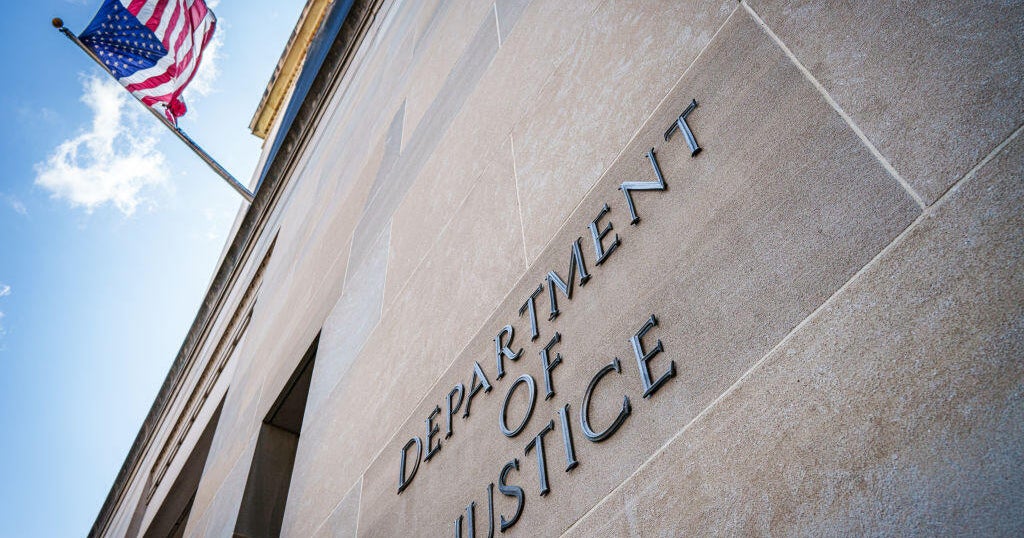
The Justice Department abruptly fired Donald T. Kinsella hours after federal judges in the Northern District of New York appointed him to lead the U.S. attorney's office, intensifying a legal standoff over the legitimacy of interim prosecutor appointments. The conflict stems from a ruling that acting U.S. Attorney John Sarcone—kept in place by political maneuvers after a 120-day interim limit—was serving unlawfully, a decision that has already curtailed a probe into New York Attorney General Letitia James and quashed subpoenas; the dispute is part of a broader pattern of judicial pushback against the Trump administration's interim appointments and could prolong uncertainty around high-profile investigations and prosecutorial continuity.
Market structure: This is a governance/legal shock, not a macro one — direct market winners are minimal, losers are firms with active DOJ probes (legal-cost volatility). Expect short-lived bid for safe-havens if rulings cascade (days) and idiosyncratic volatility in litigated names (weeks). Cross-asset: small upside for USTs and USD on risk-off; implied vols on targeted equities will rise 15–40% intramroup if high-profile indictments are vacated or refiled.
Risk assessment: Tail risks include appellate courts upending DOJ actions (high-impact) and a politicized hiring pipeline that increases selective enforcement risk across industries (banks, pharma, big tech). Immediate (0–14 days) risk is judicial rulings and DOJ press statements; short-term (1–3 months) risk is appellate outcomes and Senate confirmation gridlock; long-term (6–18 months) is persistent policy uncertainty raising compliance costs by an estimated 5–15% for heavily regulated firms. Hidden dependency: litigation-driven revenue or contracts (defense, government contractors) can flip rapidly if local U.S. attorneys change priorities.
Trade implications: Favor defensive allocation and targeted tail hedges rather than directional macro bets. Buy short-dated volatility protection for names with live DOJ cases; shift 2–4% from small/mid-cap beta into defensive sectors (healthcare/utilities) over 1–4 weeks. Primary catalysts to watch (and trade around): appellate stay decisions (14–30 days), DOJ memos/appeals filings (7–30 days), and any Senate confirmation calendar movements (30–90 days).
Contrarian angle: Consensus treats this as noise; the underpriced outcome is a sustained increase in legal/regulatory uncertainty that compresses small-/mid-cap valuations by 5–12% over 3–6 months. If appellate courts uphold judge rulings in any two districts within 30 days, expect a cluster re-pricing of litigation-exposed names — an opportunity to short over-levered small caps and buy deeply discounted legal-insulation leaders (large-cap cash-rich firms). Historical parallel: clustered legal invalidations in 2010 produced 6–9% sector rotations into defensive cash-generators.
AI-powered research, real-time alerts, and portfolio analytics for institutional investors.
Request DemoOverall Sentiment
moderately negative
Sentiment Score
-0.30
