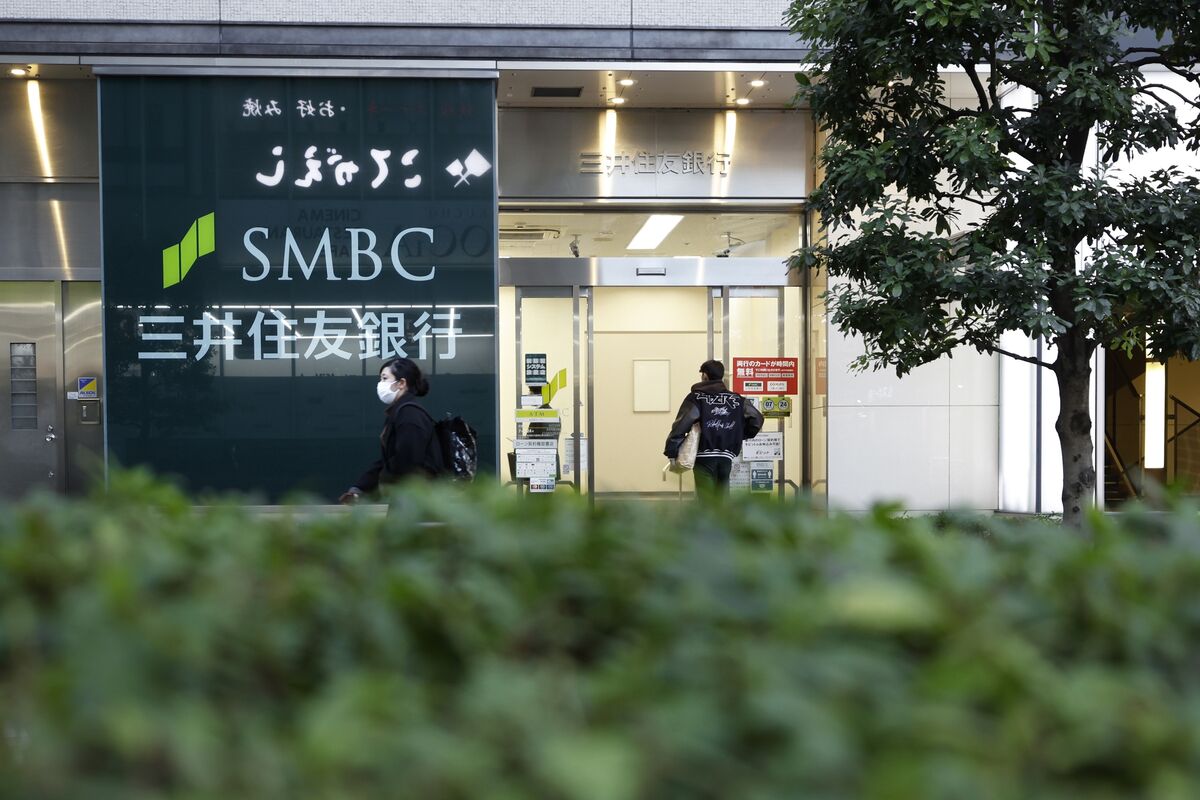
Sumitomo Mitsui Banking Corp. is making several senior hires to expand its securitized finance capabilities, a multi-trillion-dollar market that has seen strong issuance this year despite pockets of stress. The moves are part of a broader push to grow the bank’s presence outside Japan and strengthen its profile as a global investment bank. The article is largely strategic and incremental, with limited near-term market impact.
This is less about one bank’s hiring spree and more about a slow re-rating of the private credit origination stack in Asia. If SMBC can credibly present itself as a global securitized products platform, it can capture higher-fee distribution and structuring economics that traditionally sit with U.S. bulge brackets and a handful of specialist nonbanks. The second-order effect is that large Japanese banks may increasingly intermediate funding for non-Japan borrowers, which is a modestly bearish setup for regional spread leaders that rely on captive balance-sheet demand. The near-term winner is likely SMBC’s fee mix and cross-border client acquisition, but the broader competitive pressure lands on mid-tier arrangers and warehouse lenders. In a market where issuance is still healthy despite stress pockets, banks that can finance, warehouse, and distribute risk win share; those that only underwrite or only distribute face margin compression. The hidden risk is that this push comes late in the cycle: if credit spreads widen 50-100 bps, securitized product volumes can stall quickly, leaving the bank with fixed hiring costs but slower fee monetization. The contrarian angle is that “global expansion” stories at banks often look best before operating leverage shows up. Building a credible securitized franchise requires not just rainmakers but balance sheet, legal infrastructure, and investor trust, so revenue ramp can lag headline optimism by 2-4 quarters. If management overallocates capital to gain share, returns could dilute before scale benefits arrive. Catalyst-wise, watch for whether the hires translate into announced mandates and whether the bank starts showing up in U.S./European ABS and structured credit league tables over the next two reporting cycles. If that evidence appears, the market may start valuing SMBC more like a fee-rich capital markets platform; if not, the move remains a cosmetic capability build with limited earnings impact.
AI-powered research, real-time alerts, and portfolio analytics for institutional investors.
Overall Sentiment
mildly positive
Sentiment Score
0.25
