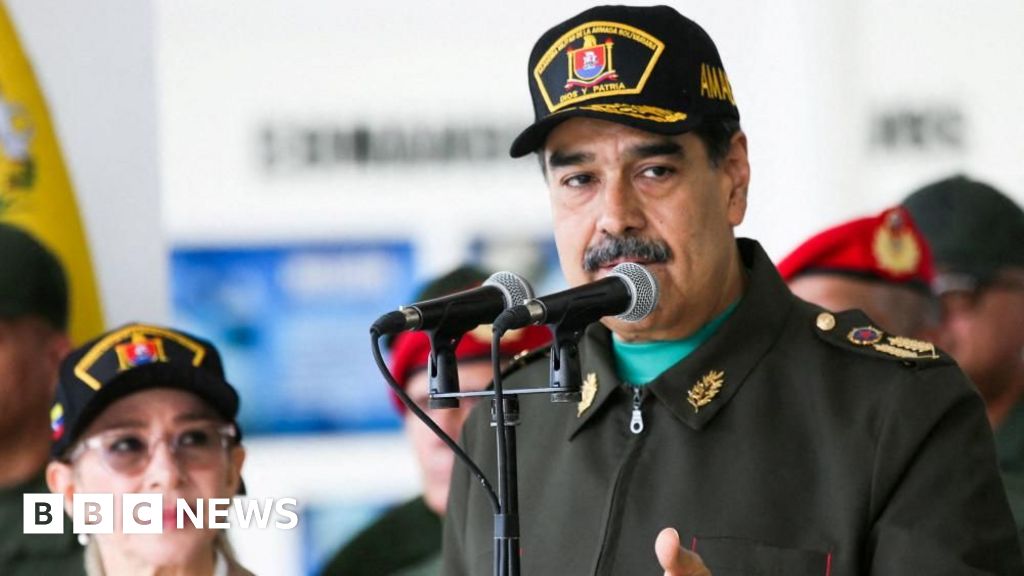
Venezuelan President Nicolás Maduro said he is open to talks with the US on drug trafficking, oil and migration even as US forces have conducted over 30 strikes on vessels in the past three months—operations the US Southern Command says targeted narcotics trafficking and which have reportedly killed more than 110 people since the first strike on Sept. 2. US actions have escalated to seizures of at least two oil tankers since Dec. 10 and media reports cite a CIA drone strike on a Venezuelan dock area that, if confirmed, would be the first known US operation inside Venezuela; the Trump administration is also pursuing an FTO designation and increased bounties on Maduro, raising sanctions, security and oil-flow disruption risks for investors monitoring regional energy and geopolitical exposure.
Market structure: Short-term winners are specialist tanker owners and spot charter markets (reduced usable capacity from seizures raises charter rates) and US heavy-crude refiners that can substitute Venezuelan barrels; losers are PDVSA creditors, sanctioned tanker owners, insurers and any banks facilitating sanctioned oil flows. Expect upward pressure on heavy-sour differentials and WTI/Brent volatility; incremental supply shock size likely <0.5 mb/d but concentrated quality mismatch can widen crude differentials by $1–$4/bbl over weeks.
Risk assessment: Tail risks include a confirmed US ground/air strike inside Venezuela or formal FTO designation that triggers full secondary sanctions — both could spike Brent by $8–$12 within 1–3 months and force rerouting of tonne-miles. Immediate (days) risk = headline-driven volatility; short-term (weeks–months) = shipping re-contracting and insurance repricing; long-term (quarters) = durable rerouting/shipping capacity reallocation and higher freight costs. Hidden dependency: P&L impact depends more on insurer/underwriter behavior and charter-party force majeure clauses than on crude volumes alone.
Trade implications: Direct plays: long spot-exposed tanker equities/ETFs and selective heavy-crude refinery arbitrage; implement 3-month call spreads on STNG/INSW and 2–3% long positions in PBF or VLO to capture widened heavy-sour spreads. Hedging/FX: small long-USD / long-duration Treasury allocation to capture risk-off flows; use options to limit downside — buy protective puts on any long positions with 15% stop triggers.
Contrarian angles: Consensus may overstate Venezuela’s absolute volume impact and understate shipping/insurance feedback loops that can amplify market moves; historical analogues (Libya 2011) showed 6–12 week price spikes then mean-reversion, but shipping-market dislocations lasted much longer. If markets price only oil-volume risk, there is a mispricing opportunity to own shipping-equity convexity and short narrow crude-linked positions that assume permanent supply loss.
AI-powered research, real-time alerts, and portfolio analytics for institutional investors.
Request DemoOverall Sentiment
moderately negative
Sentiment Score
-0.25
Ticker Sentiment
