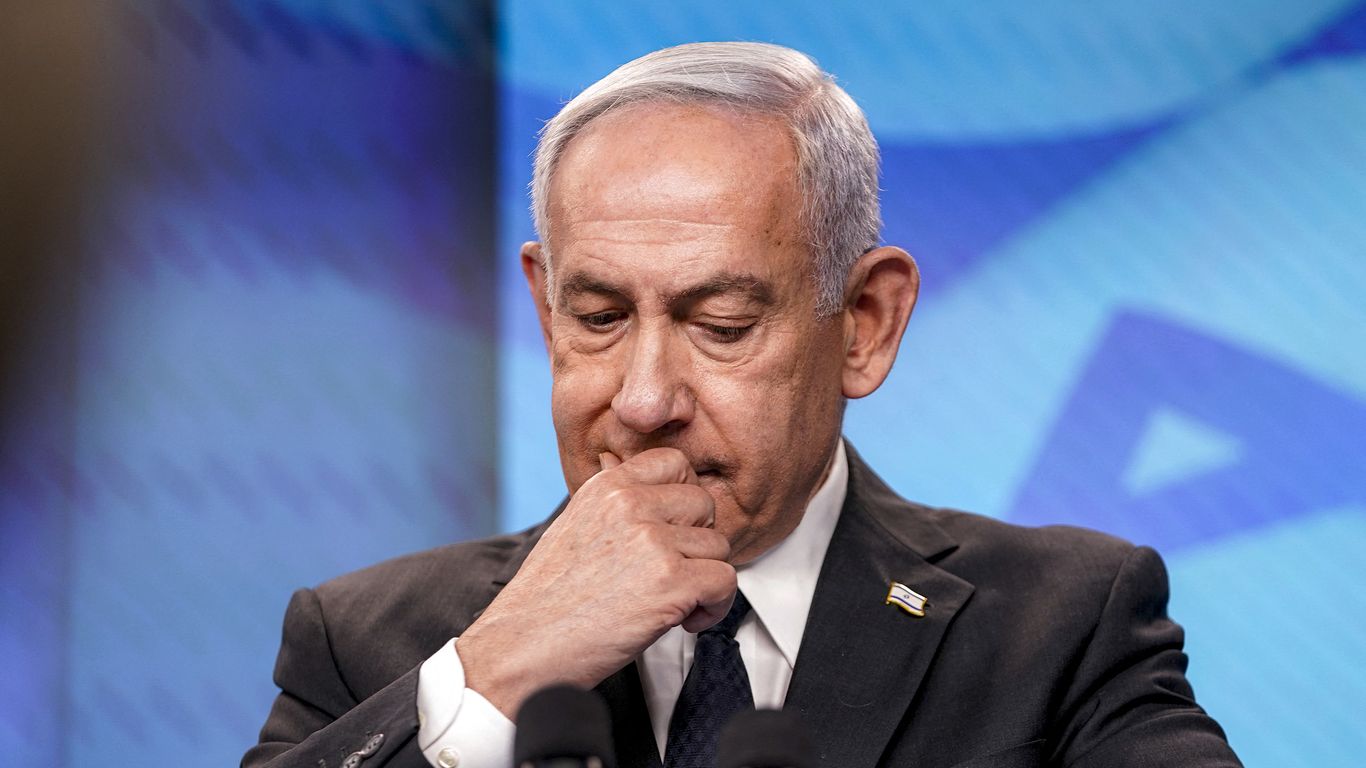
President Trump publicly stated he would not allow Israeli Prime Minister Benjamin Netanyahu to annex parts of the occupied West Bank, a position communicated after similar private assurances to Arab leaders and presented as a condition for their support of Trump's Gaza peace plan. This intervention is expected to halt Netanyahu's annexation plans, which had threatened to provoke significant international backlash and harm regional agreements like the Abraham Accords. The White House is actively pressuring Netanyahu to accept its peace plan, emphasizing that continued conflict would further isolate Israel, ahead of an upcoming meeting between the two leaders to discuss the way forward in Gaza.
President Trump's public declaration that he will block any Israeli annexation of the West Bank represents a significant de-escalation of a major regional flashpoint. This move, which follows private assurances to a coalition of Arab nations including the UAE and Saudi Arabia, is positioned as a critical precondition for their support of a U.S.-led plan to end the war in Gaza. The intervention is expected to halt Prime Minister Netanyahu's annexation plans, which the UAE warned would jeopardize the Abraham Accords. The White House is leveraging this diplomatic pressure to steer Israel towards a ceasefire, framing the alternative as deepening international isolation. While the market's 'mildly positive' sentiment and moderate impact score reflect a reduction in this specific tail risk, the situation remains fragile, with the success of the broader peace initiative hinging on upcoming high-level talks, including a scheduled meeting between Trump and Netanyahu on Monday.
AI-powered research, real-time alerts, and portfolio analytics for institutional investors.
Request DemoOverall Sentiment
mildly positive
Sentiment Score
0.30
