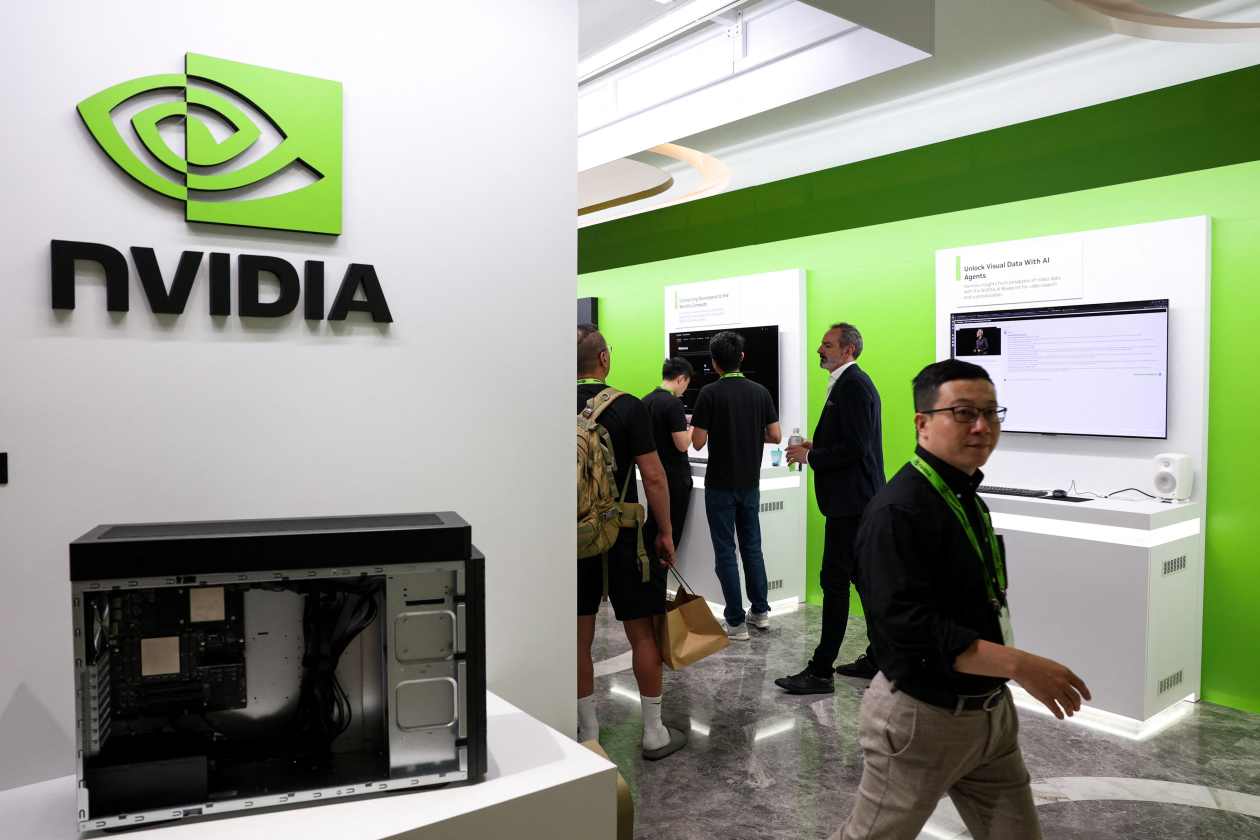
Nvidia's upcoming earnings are under intense scrutiny, with analysts increasingly bullish on "insatiable" AI demand, despite ongoing concerns about chip supply, potential H20 production halts, and complex US-China geopolitical tensions impacting sales and export controls. Concurrently, a broad array of retailers, including Ulta and Gap, are reporting with broadly low expectations, grappling with consumer shifts towards value, higher living costs, and intense competition from tech-advantaged players like Walmart, which recently posted a rare profit miss. These divergent earnings narratives will provide crucial insights into the sustainability of AI growth and the broader health of consumer discretionary spending amid persistent macroeconomic headwinds.
The market is facing a divergent earnings landscape, with immense expectations for Nvidia contrasting sharply with a pessimistic outlook for the retail sector. For Nvidia (NVDA), analyst sentiment is increasingly bullish, driven by what is described as "insatiable" demand for AI chips from its big-tech customers. However, this optimism is tempered by significant execution and geopolitical risks. Key concerns center on Nvidia's capacity to supply enough chips to meet demand, particularly for AI inference applications. Furthermore, the US-China dynamic presents a complex headwind; while the US has permitted sales of the less-sophisticated H20 chip to China, it is levying a 15% fee on these sales, and reports indicate that China is actively discouraging their use, leading Nvidia to allegedly halt H20 production. In contrast, the retail sector is bracing for weak quarterly results. Expectations are low for a wide range of companies including Ulta (ULTA) and Gap (GAP), stemming from persistent pressures such as tariff anxieties, higher living costs, and a consumer flight to value. The competitive landscape is also shifting, with tech-savvy giants like Walmart (WMT) widening their lead, while competitors like Target (TGT) face investor skepticism. While recent results from Home Depot (HD) and Lowe's (LOW) suggest consumers may be more resilient than feared, the primary focus for smaller retailers will be consumer traffic, as they lack the scale to compete with dominant players on price and convenience.
AI-powered research, real-time alerts, and portfolio analytics for institutional investors.
Overall Sentiment
mixed
Sentiment Score
-0.15
Ticker Sentiment
