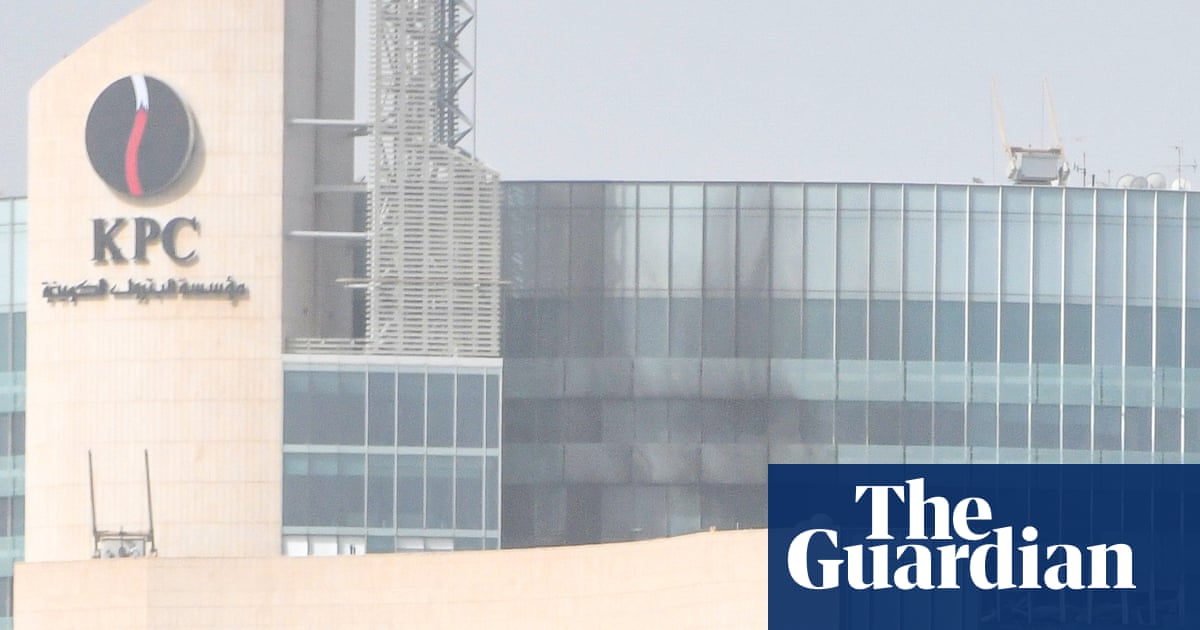
Iranian drone strikes damaged Kuwait's oil and petrochemical infrastructure, compounding disruptions from the US-Israel-Iran war and effectively contributing to Iran's blockade of the Strait of Hormuz (which normally carries ~100 tankers and ~20% of global crude). Opec+ reportedly agreed in principle to raise output by 206,000 barrels/day in May (having added 206,000 b/d in April), but gains are largely symbolic while the strait remains closed. Brent is up >50% year-to-date, peaked at $119.50/bbl in March and trades near $109/bbl, pushing UK petrol to 154.45p/l (from 132.83p pre-war) and the US national average fuel price to $4.11/gal.
The market is pricing a structural increase in the convenience yield for seaborne crude rather than a one-off shock; effective throughput loss from diverted voyages is the lever that sustains prices. Rerouting around southern Africa adds roughly 8–12 voyage days for Persian‑Gulf-to‑Asia voyages, which translates to incremental voyage fuel and operating costs on the order of $200k–$400k per VLCC and removes daily available cargo capacity equivalent to several million barrels while ships are tied up longer. That mechanism amplifies inventory draws and strengthens crack spreads regionally even if total Opec+ headline output ticks up.
Second‑order winners are owners of storage, export capacity outside the Gulf, and mobile transport — US Gulf exporters (and their terminal counterparties), listed tanker owners, and refiners that can source heavier barrels from alternative suppliers and capture widened inland/outlet differentials. Losers include Gulf‑proximate petrochemical complexes (capex and insurance resets), regional utilities reliant on damaged infrastructure, and short‑duration credit for shipping/energy service firms facing war‑risk surcharges; war‑risk premia and P&I surcharges can add tens of thousands USD/day of operating cost and reduce effective free cash flow for vulnerable names.
Key catalysts and timeframes: de‑escalation or a negotiated corridor (days–weeks) would collapse convenience yields and snap prices lower; a sustained blockade or asymmetric campaign against export infrastructure (months) pushes Brent toward $130–$160 and forces longer‑dated supply reallocation. The consensus underestimates how long insurance and repair cycles keep marginal barrels off market — repairs and insurance normalization take months, not weeks — creating a multi‑month window for positionable energy and shipping plays, but also creating a sizable tail risk if diplomacy unexpectedly restores full passage quickly (20–40% price reversal).
AI-powered research, real-time alerts, and portfolio analytics for institutional investors.
Request DemoOverall Sentiment
strongly negative
Sentiment Score
-0.80
