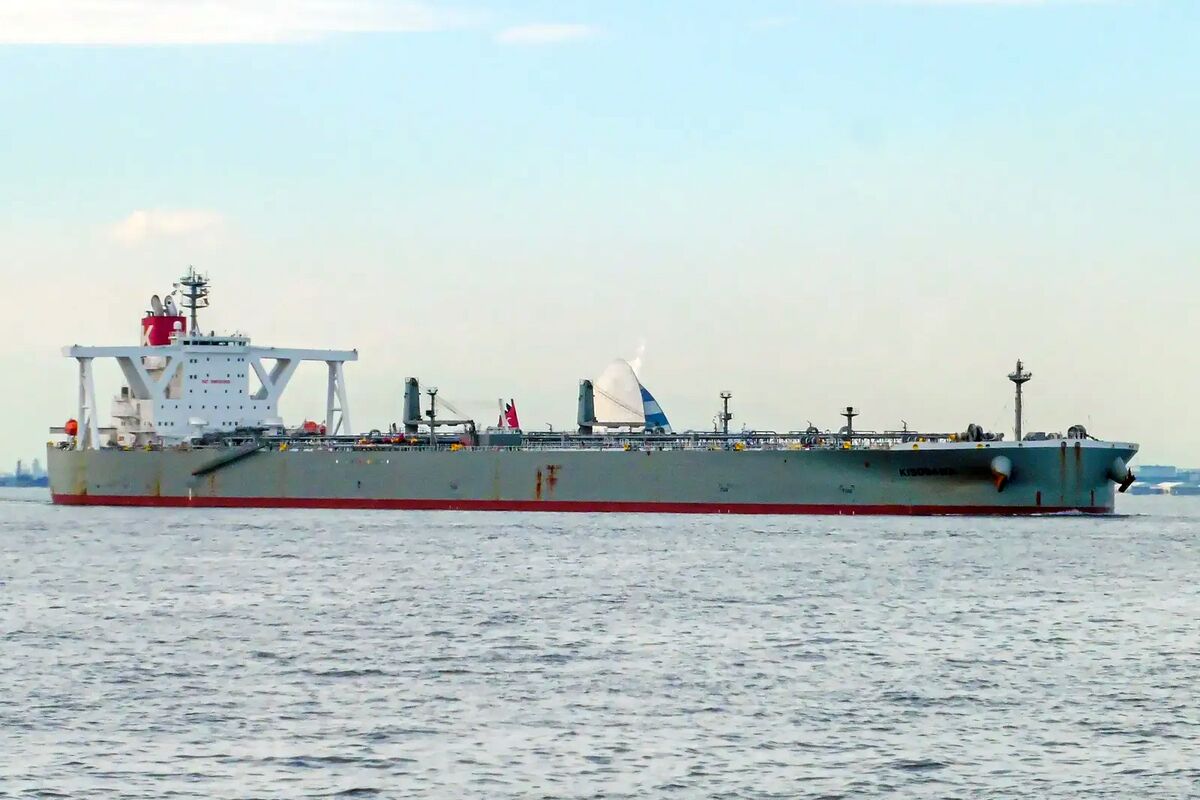
Japan used ship-to-ship transfers to secure crude supplies, with the VLCC Kisogawa receiving about 1.2 million barrels of Murban crude from Rio De Janeiro Energy off Linggi and now heading to Hokkaido; a similar at-sea transfer occurred a week earlier. The tactic keeps Japanese tankers out of the increasingly risky Middle East, adding logistics complexity and supporting a modest risk premium in oil and shipping markets.
Ship‑to‑ship (S2S) logistics are compressing the margin waterfall: traders and modern VLCC owners capture incremental voyage arbitrage while end refiners absorb higher delivered cost. Expect VLCC time‑charter equivalents (TCE) to lift by a mid‑teens of thousands $/day range on sustained demand for long‑haul S2S moves — a back‑of‑envelope $3–9/bbl effective increase in landed crude cost into Northeast Asia if the pattern persists for 4–12 weeks.
The immediate corporate winners are fleet owners with large, fuel‑efficient VLCC pools and trading houses able to scale S2S ops quickly; classical losers are owners of older tonnage, underinsured operators and refiners with tight inbound crude specifications who cannot switch grades fast. Second‑order effects: elevated bunker consumption and longer ballast legs will accelerate retirements of older tankers (pushing fleet supply tighter over 6–24 months) and create pockets of storage/contango trade opportunities around Malaysia/Singapore hubs.
Key catalysts that can reverse the move are diplomatic de‑escalation, temporary naval escort corridors or large SPR releases that restore normal routing — any of which could normalize freight and insurance spreads within 2–8 weeks. Conversely, a targeted attack on chokepoints or an expanded no‑sail advisory could lock in higher structural freight for 12+ months; the market currently underprices the margin capture held by non‑equity service providers (brokers, S2S operators, short‑term storage owners) who sit between producers and refiners.
AI-powered research, real-time alerts, and portfolio analytics for institutional investors.
Overall Sentiment
neutral
Sentiment Score
0.00
