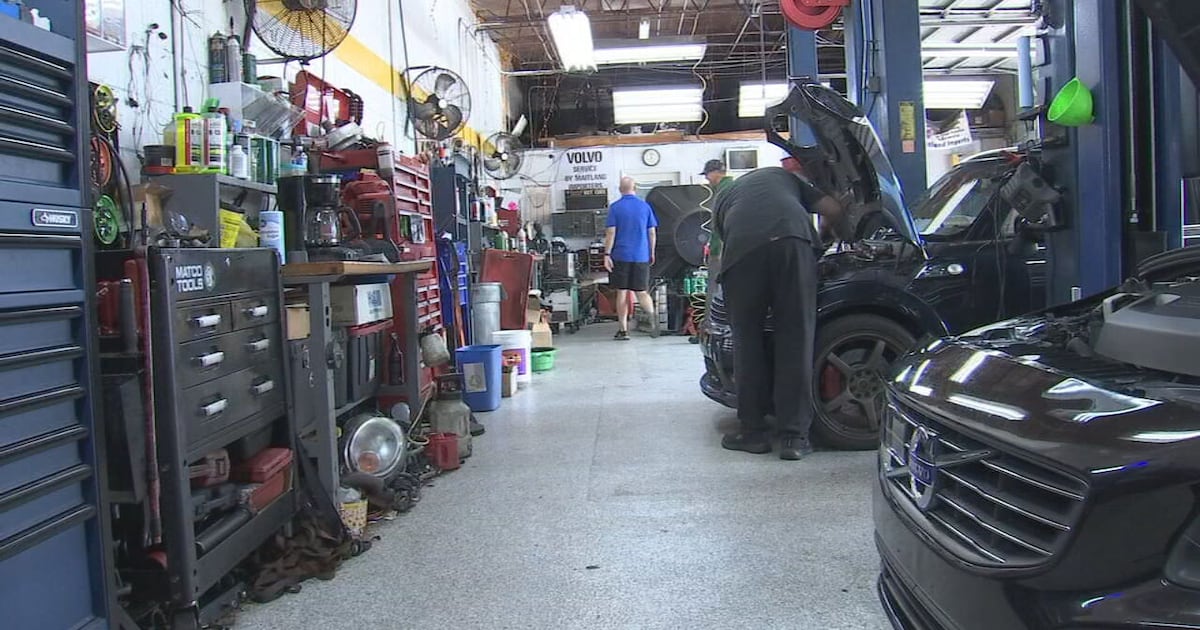
Rising oil costs are expected to push up vehicle oil-change prices in Central Florida, with suppliers saying distribution costs will likely keep climbing over the next few months. Lower supply of engine oil could also create shortages at some local oil change locations. The article points to a modest inflationary pressure on a small service segment rather than a broad market event.
This is a low-beta inflation impulse, but the more important second-order effect is working-capital stress for service retailers rather than a pure pass-through story. Independent auto service shops and quick-lube operators typically buy consumables on thin gross margins and limited inventory turns, so a few months of input inflation can compress earnings before they can fully reprice customers. That makes the market impact more asymmetric in the short run: operators with strong procurement scale or contractual pricing will hold share, while fragmented independents absorb the squeeze.
The real risk is not demand collapse from a single oil change price hike; it is trade-down behavior over several quarters. Consumers already delaying discretionary maintenance will extend intervals, push more DIY work, or defer to dealer service only when bundled with warranty work, which benefits the lowest-cost distribution channels and the largest national chains. If supply tightens locally, the immediate loser is the independent shop network, but the second-order winner may be mass-market retail and e-commerce channels that can monetize packaged oil and filter sales at higher frequency.
From a macro lens, this is a margin-transfer event, not a demand-shock event, unless crude keeps rising enough to broaden into fuel and transportation inflation. The catalyst to watch is whether distributors begin rationing or implementing smaller pack sizes, which would indicate that price increases are no longer just inflationary but are starting to constrain volume. That would matter more for operators with high same-store service mix and low bargaining power than for national chains with private-label sourcing and corporate procurement.
The contrarian view is that the market may be overestimating the persistence of the squeeze because engine oil is a relatively substitutable, importable commodity with a lagged replenishment cycle. If crude stabilizes or retraces, distributors can normalize inventories within one to two months, and the current price pressure may unwind faster than local operators expect. The better read-through is to watch for any evidence of consumer deferral in maintenance frequency; if that does not show up, the trade is likely a temporary margin headache rather than a durable volume problem.
AI-powered research, real-time alerts, and portfolio analytics for institutional investors.
Request DemoOverall Sentiment
mildly negative
Sentiment Score
-0.25
