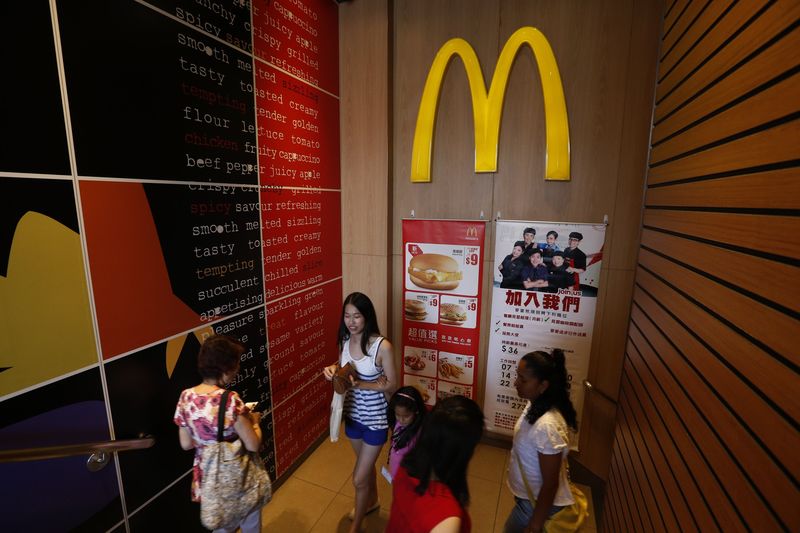
Bernstein flags that the Iran-related conflict is creating energy and commodity cost pressure that is compressing franchisee margins at McDonald’s and Restaurant Brands International and cooling consumer spending; sustained elevated energy prices through H2 2026 would mean hedges roll at higher market rates and shift costs to franchisees. Asia-facing supply-chain disruptions and higher logistics costs are already surfacing, and higher gasoline prices are reducing discretionary away-from-home spend among low-income consumers. Analysts still expect long-term unit growth but warn near-term earnings and comparable-store sales commentary will likely adopt a cautious tone.
Energy-driven pressure at the pump acts like a recurring, regressive tax on low‑ticket, frequency‑dependent retail categories; empirically a sustained +$0.50/gal shock correlates with a 1–3% decline in quarterly visits within 1–3 months, and a persistent 3% AUV (average unit volume) drop typically creates a ~1–2% EPS headwind for franchising parents absent cost pass‑through. On the supply side, rising logistics/insurance rates amplify unit cost volatility non‑linearly: a 10% freight/insurance spike on thinly margined menu items can eliminate the economics of promotional value bundles, compressing royalty throughput and delaying capex that supports longer‑term traffic growth (digital, remodels).
Second‑order winners are corporates that can internalize distribution or accelerate asset purchases when smaller franchisees deleverage — scale ownership reduces per‑store fixed cost and allows prioritized capex on highest ROI sites; private equity with dry powder can acquire franchise portfolios at meaningful discounts in a 12–24 month stress window. Conversely, highly fragmented franchise systems and multi‑brand operators with cross‑border supply exposure will see stretched working capital cycles and potentially higher SG&A as they standardize supply across geographies.
Key catalysts to watch are: (1) gasoline price moves sustained over a 6–12 week window (not headline spikes), (2) quarter‑over‑quarter AUV drift across two consecutive quarters (this is the inflection that forces capex pushouts), and (3) any substantive freight/insurance re‑pricing that becomes persistent rather than transitory. Reversals will come faster if real disposable income for the lowest quintile improves (via policy or rapid fuel price rollback) or if large franchisors elect to selectively buy back stressed franchisee assets — both can restore royalty flows within 3–9 months.
AI-powered research, real-time alerts, and portfolio analytics for institutional investors.
Request DemoOverall Sentiment
mildly negative
Sentiment Score
-0.30
Ticker Sentiment
