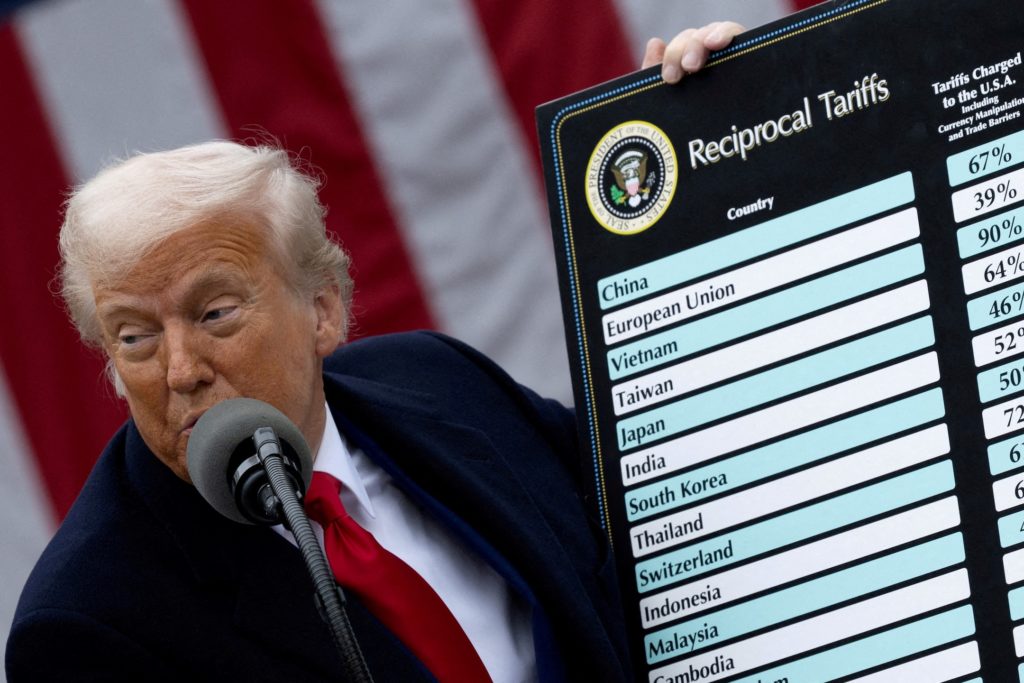
President Trump is escalating trade tensions by threatening new tariffs, including 25% on key allies Japan and South Korea, and higher rates on other Asian nations, effective August 1. This aggressive stance, despite existing free trade agreements, poses serious implications for these countries, which rely heavily on the U.S. export market. Experts like Wendy Cutler highlight the potential for long-term damage to U.S.-ally relationships, undermining economic security cooperation and contributing to global economic uncertainty and downward growth revisions.
The U.S. administration is escalating trade tensions by threatening significant new tariffs on 14 Asian nations, set to take effect on August 1. Notably, key strategic allies and major trading partners Japan and South Korea face a 25% tariff, while other nations like Cambodia and Thailand face rates as high as 36-40%. According to Wendy Cutler of the Asia Society Policy Institute, this move is being taken very seriously by the targeted countries, for whom the U.S. is the largest export market, and is expected to trigger intense negotiations. The policy's rationale is inconsistent, particularly concerning South Korea, where a 25% tariff would contradict the existing U.S.-Korea Free Trade Agreement that established zero tariffs. This action risks long-term damage to crucial alliances that underpin U.S. economic security interests, including cooperation on resilient supply chains for semiconductors, energy, and shipbuilding. The resulting uncertainty and chaotic policy signaling are directly contributing to downward revisions of global economic growth forecasts, reflecting tangible negative impacts on both the U.S. and global economies.
AI-powered research, real-time alerts, and portfolio analytics for institutional investors.
Overall Sentiment
Negative
Sentiment Score
-0.60
